Kamakura: The Perfect Day Trip from Tokyo (Temples, Beaches & Slow Japan)
Why Visit Kamakura? (The Tokyo Escape Everyone Underestimates)
Kamakura is one of the easiest ways to experience a completely different side of Japan without leaving the Tokyo area. In just about an hour, the city’s intensity gives way to something slower, quieter, and more atmospheric.
What makes Kamakura special isn’t just its temples, but the way everything blends together. You move from ancient shrines and forest paths to small local streets filled with cafés and shops, and then suddenly you’re by the sea. It feels less like a single destination and more like a series of moods unfolding naturally throughout the day.
There’s also a subtle depth to Kamakura that many first-time visitors don’t expect. It’s often described as a “mini Kyoto,” but that comparison doesn’t fully capture it. Kamakura feels more relaxed, more coastal, and far less formal. It invites you to wander rather than follow a strict plan.
For a day trip from Tokyo, it’s almost perfect. You get culture, scenery, and a noticeable change of pace without complicated logistics. But if you stay a little longer, even just one night, Kamakura reveals a different side of itself, one that’s quieter, more local, and far more memorable.
This is why Kamakura works so well in a Trinuki-style trip. It’s not about ticking off landmarks, it’s about stepping out of Tokyo’s rhythm and letting the day slow down in a place that naturally encourages it.
How to Get to Kamakura from Tokyo
Getting to Kamakura is simple, which is a big part of why it works so well as a day trip. From central Tokyo, you can reach it in about an hour with no complicated transfers.
The most straightforward option is the JR Yokosuka Line, which connects directly from major stations like Tokyo Station and Shinagawa to Kamakura. It’s fast, comfortable, and usually the easiest choice if you just want to get there without thinking too much.
Another good option is the Shonan Shinjuku Line, especially if you’re staying around Shinjuku or Shibuya. It takes a similar amount of time and saves you from crossing the city first.
Once you arrive, Kamakura is much smaller and more manageable than Tokyo. The main highlights are either within walking distance from the station or easily connected by the Enoden Line, a small local train that runs along the coast and through residential neighborhoods. It’s not just transport, it’s part of the experience.
If you want to keep things flexible, using a standard IC card works perfectly. But if you’re planning to explore more along the coast, including nearby areas, it can be worth looking into day passes for the Enoden.
The journey itself already sets the tone. As you leave Tokyo behind, the scenery gradually opens up, buildings get lower, and the pace starts to shift. By the time you arrive in Kamakura, you’re already in a different mindset, which is exactly the point of this trip.
Best Things to Do in Kamakura (Essential Stops)
Kamakura is not a place you “check off” in a strict order. It works more like a series of small discoveries connected by short walks, the Enoden line, and moments where the city naturally slows you down. Temples, streets, and the coastline all sit very close to each other, but each one feels like a different layer of the same experience.
The best way to approach Kamakura is to focus on a few essential stops rather than trying to see everything. The goal is not quantity, but rhythm: starting with history and spirituality, moving through local life and small streets, and finishing by the sea when the pace naturally drops.
Below are the key places that define Kamakura. Each one adds a different dimension to the day, and together they form the core experience of the city.
Tsurugaoka Hachimangū
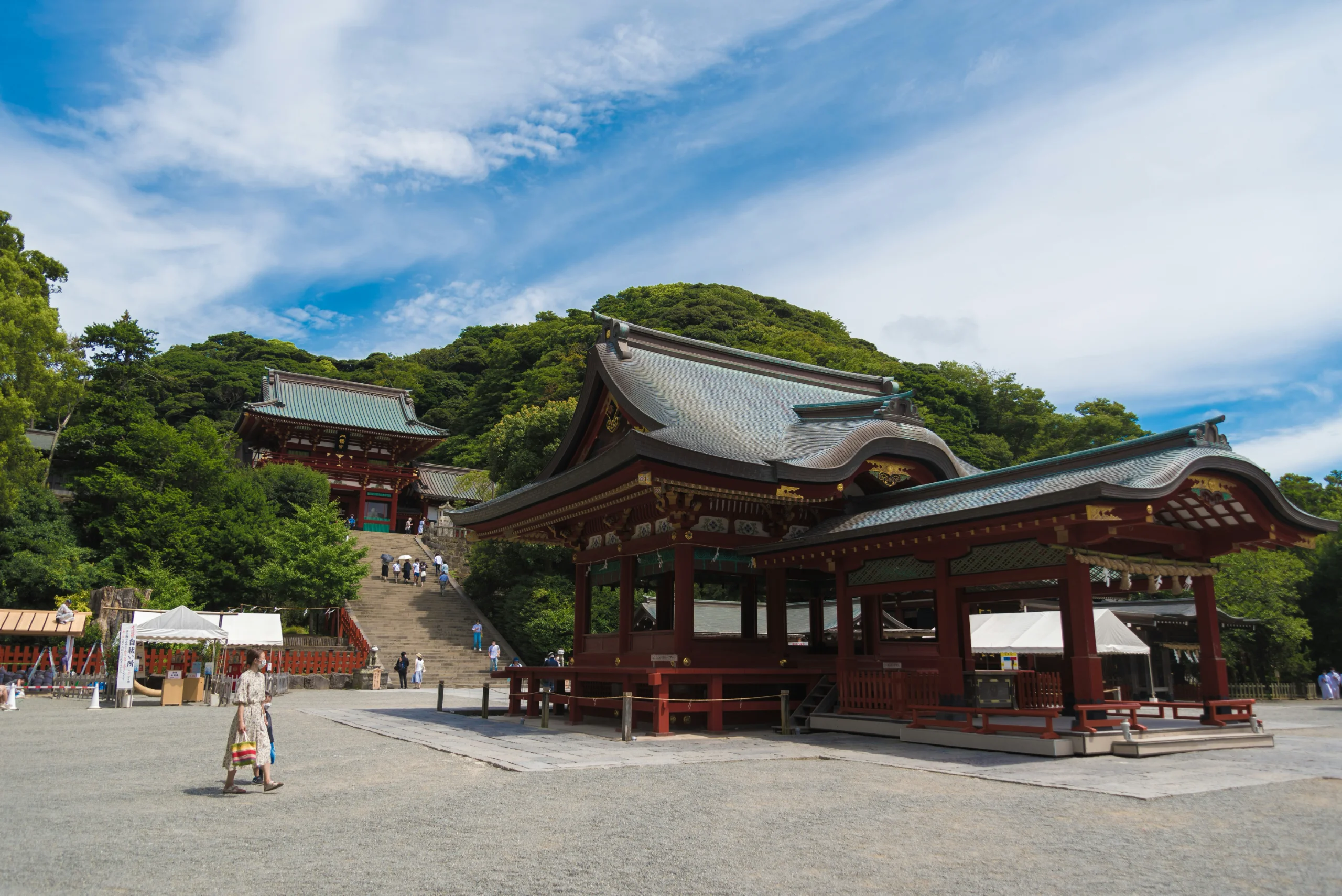
Photo by Tsukada Kazuhiro: https://unsplash.com/@frogman1962
Tsurugaoka Hachimangū is the spiritual heart of Kamakura and one of the places that best explains the city’s historical importance. It was founded in the 11th century and dedicated to the samurai guardian deity, which gives it a strong connection to Kamakura’s past as Japan’s first shogunate capital.
The approach to the shrine is part of the experience itself. A long, straight path lined with trees leads you from the city into a slightly elevated space where everything feels more open and ceremonial. It’s a gradual transition from urban Kamakura into something more calm and symbolic.
Inside, the main shrine buildings are simple but powerful in their presence. There is a clear sense of scale and symmetry, but nothing feels overly ornate. Instead, the focus is on atmosphere and tradition rather than visual excess.
One of the most interesting parts of visiting is how the shrine is integrated into everyday life. You’ll often see locals coming here to pray, families visiting on weekends, and small seasonal events that keep it active rather than purely historical.
The surrounding gardens also change with the seasons, especially in spring and autumn, when the paths and ponds become more visually striking. Even outside of peak seasons, it remains a quiet place to slow down within the flow of a busy itinerary.
In a Kamakura visit, Tsurugaoka Hachimangū works best as a starting point. It sets the tone for the day: structured, calm, and slightly elevated from the surrounding city, before you gradually move towards more relaxed streets and coastal areas.
Kōtoku-in (Great Buddha of Kamakura)
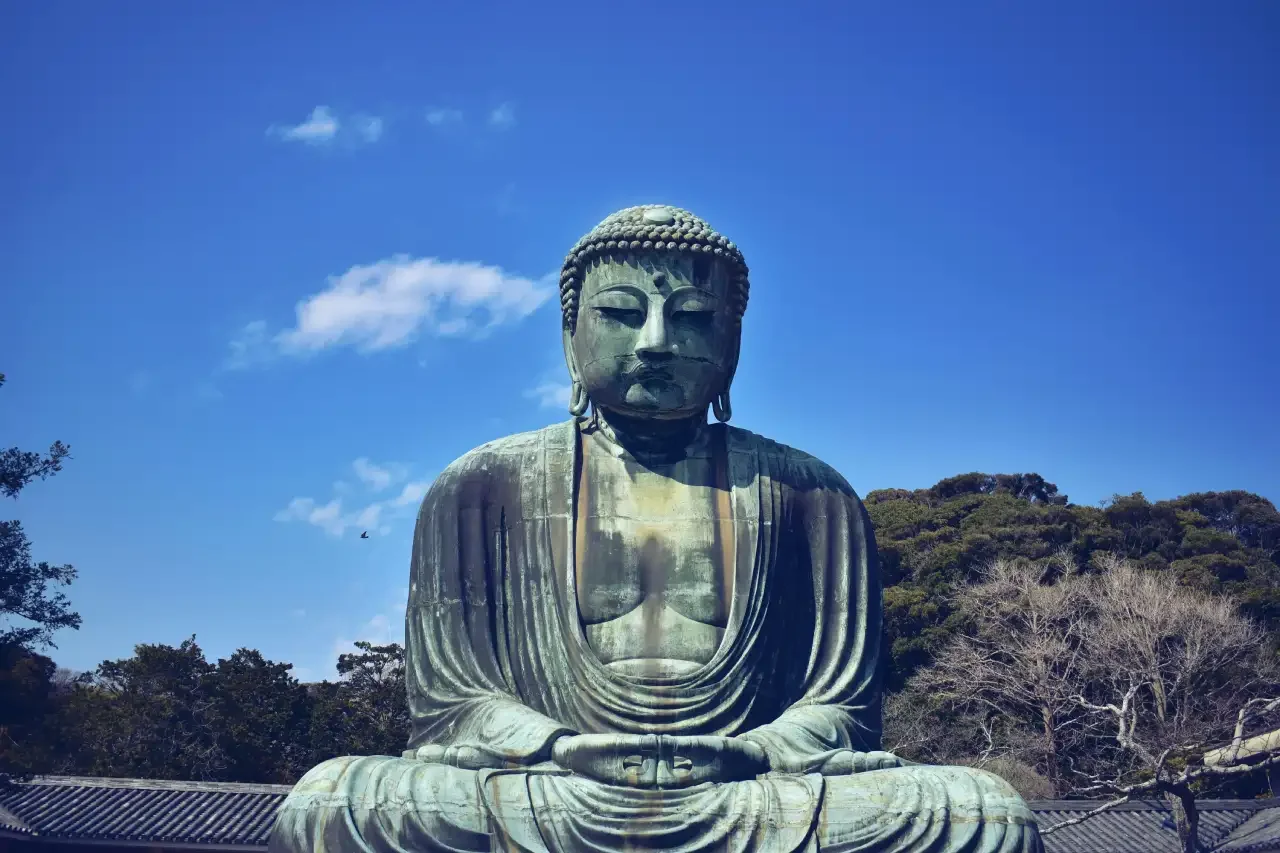
Kōtoku-in is home to the Great Buddha of Kamakura, one of Japan’s most recognizable and enduring symbols. Unlike many temple statues that are kept inside halls, this Buddha sits in the open air, exposed to the elements, which gives it a quiet sense of permanence and simplicity.
The statue itself is massive, but what makes it special is not just its size, but its stillness. There is nothing around it competing for attention, just open space, sky, and the subtle sound of the surroundings. It feels less like a monument and more like something that has always belonged to the landscape.
You can also step inside the statue, which adds a different perspective on its construction and scale. It’s a small detail, but it helps you understand how something so heavy and ancient has remained so stable over time.
The surrounding area is simple and unforced, with a small temple ground that never feels overwhelming. This restraint is part of what makes the experience work so well. There is no need for interpretation or staging; the presence of the Buddha speaks for itself.
In a Kamakura itinerary, Kōtoku-in often works as one of the most impactful stops. It’s not the most complex visit, but it’s one of the most memorable, especially when combined with the slower rhythm of Hase and the nearby coastline.
Hase-dera Temple
Hase-dera Temple is one of the most atmospheric places in Kamakura, combining lush gardens, wooden architecture, and wide coastal views in a way that feels calm from the very first moment.
The temple is known for its large statue of Kannon, the goddess of mercy, but the experience goes far beyond a single highlight. The grounds are layered, with small paths, stone steps, and seasonal flowers that change the feeling of the place depending on when you visit.
As you move through the complex, the pace naturally slows down. There are viewpoints overlooking Kamakura’s coastline, small halls tucked into greenery, and quiet corners where the sound of the city almost disappears. It’s a place designed for wandering rather than rushing.
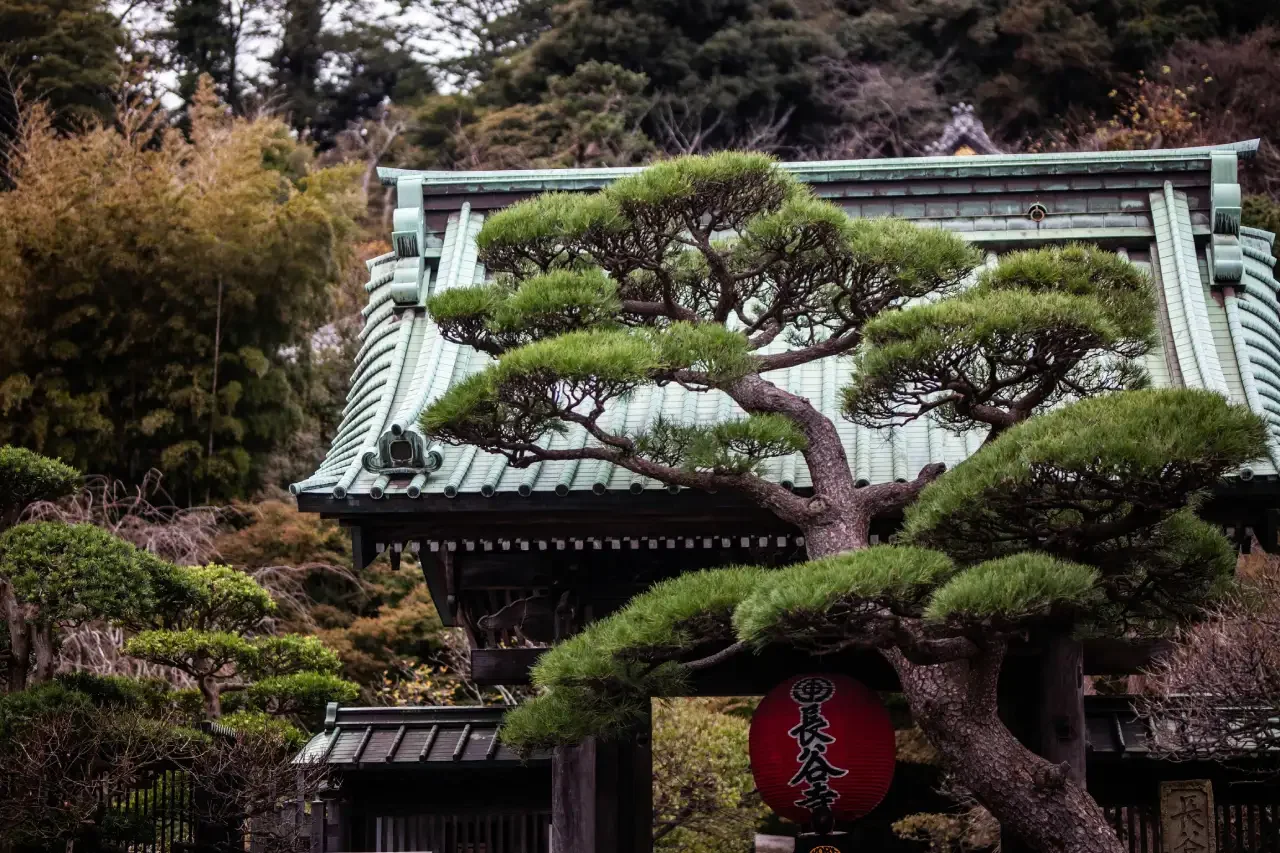
Photo by Shuyu Huang: https://unsplash.com/@elkhorizon
One of the most memorable parts is the balance between nature and structure. The wooden buildings feel integrated into the landscape rather than placed on top of it, which gives the temple a soft, organic rhythm that fits perfectly with Kamakura’s overall mood.
Hase-dera also changes a lot with the seasons. In spring and early summer, hydrangeas dominate the gardens, while autumn brings warmer tones and softer light. Even outside peak seasons, it remains one of the most visually rewarding stops in the city.
In a Kamakura itinerary, this is where things start to feel more reflective. After the historical weight of places like Tsurugaoka Hachimangū and the visual impact of the Great Buddha, Hase-dera introduces a quieter, more contemplative side of the journey.
The Enoden Experience (Kamakura’s Most Iconic Ride)
The Enoden isn’t just a way to get around Kamakura, it’s part of the experience itself. This small, slightly nostalgic train connects Kamakura with the coastal areas, moving at a pace that feels completely different from Tokyo’s efficiency.
As it leaves the station, the train quickly slips into narrow residential streets, passing just meters from houses, crossing small roads, and weaving through everyday life. Then, almost without warning, the scenery opens up and the ocean appears right next to the tracks. It’s this constant shift that makes the ride feel special.
Some of the most memorable moments in Kamakura happen on this line. Sitting by the window, watching the coastline, or getting off at a quiet stop with barely any crowds, creates a rhythm that encourages you to slow down and explore without a strict plan.
Stops like Hase are perfect for visiting temples, while others along the coast offer access to beaches and more relaxed areas. You don’t need to ride the entire line to enjoy it, even a short segment captures its charm.
There’s also something quietly cinematic about the Enoden. It’s been featured in countless scenes and images of Japan, but in person it feels less like a tourist attraction and more like a glimpse into a slower, more local version of everyday life.
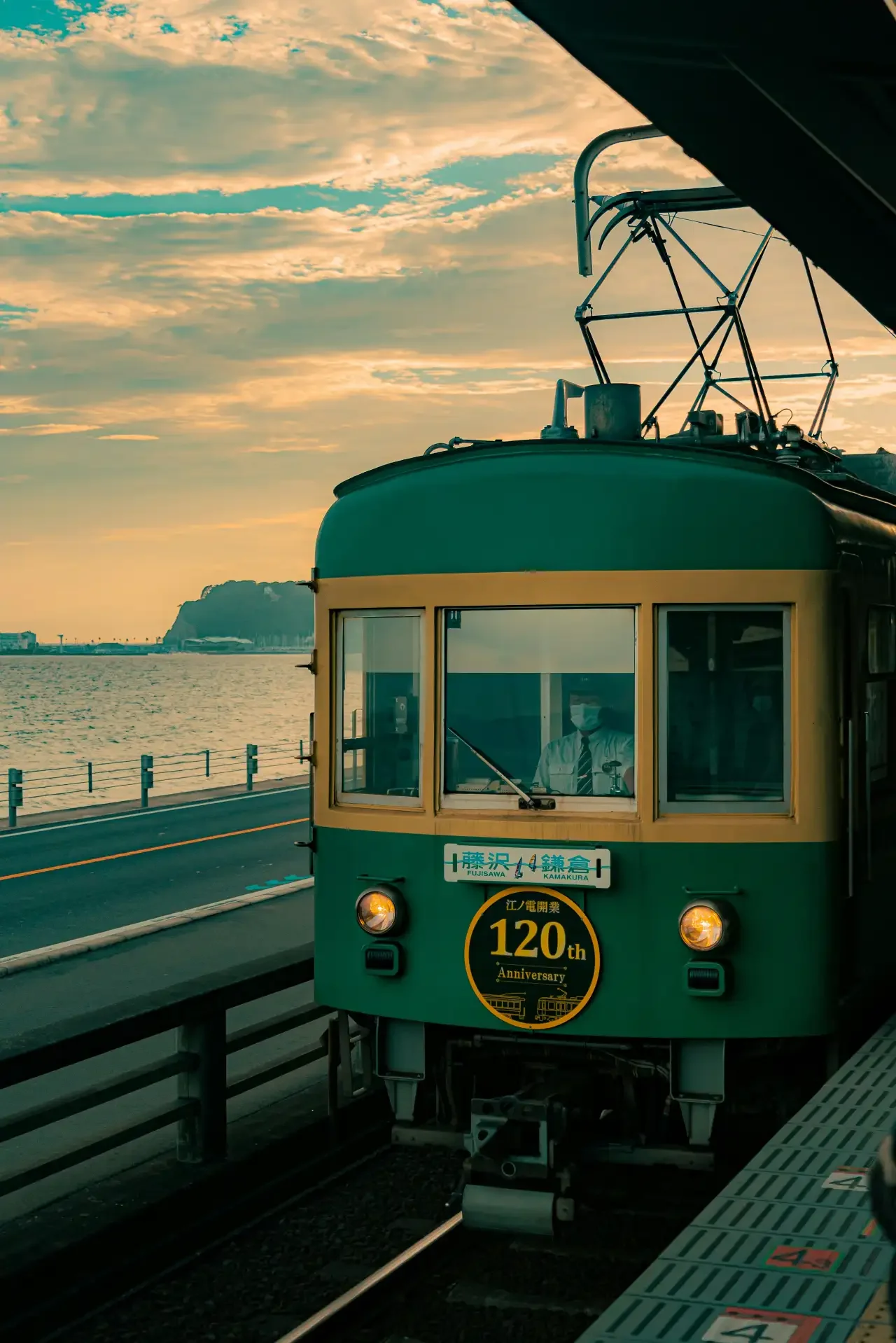
If there’s one thing to keep in mind, it’s to avoid peak times when possible. The train can get crowded, especially on weekends. But even then, once you find a seat or a spot by the window, the experience still delivers.
In a place like Kamakura, where the journey matters as much as the destination, the Enoden becomes more than transport. It becomes part of the story of the day.
Kamakura’s Beaches & Coastal Side
Kamakura isn’t only about temples and shrines. One of its most defining qualities is how quickly the city opens up to the sea, creating a rare mix of culture and coastline that feels very different from central Tokyo.
The main stretch, Yuigahama Beach, is where most visitors end up. It’s wide, easy to access, and especially popular in the warmer months when locals come here to relax, surf, or just sit by the water. It’s not a tropical beach, but that’s not the point. It has a calm, lived-in atmosphere that fits Kamakura perfectly.
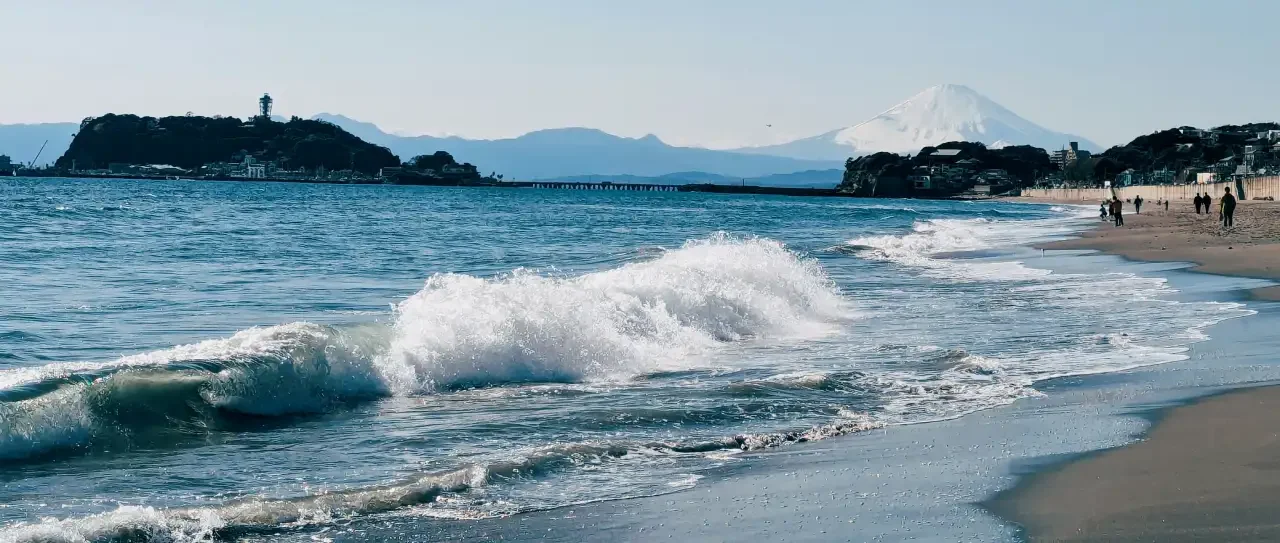
Photo by note thanun: https://unsplash.com/@notethanun
A little further along, Zaimokuza Beach feels slightly quieter and more residential. It’s a good option if you want to step away from the busier sections and experience a more local side of the coastline. On clear days, you can see the horizon stretching endlessly, with surfers and small groups scattered along the shore.
What makes Kamakura’s coastal side special is the contrast it creates with the rest of the city. You can spend the morning surrounded by temples and forest paths, and by afternoon be walking barefoot along the sand. That shift in energy is what gives Kamakura its unique rhythm.
Sunset is when the coastline really stands out. The light softens, the crowds thin out, and the whole area takes on a quieter, more reflective mood. It’s one of the strongest arguments for staying longer than a single day.
Even if you’re not planning a beach-focused trip, the coast is worth including in your route. It’s not about perfect swimming conditions or beach facilities, but about the feeling of openness it adds to the overall experience of Kamakura.
Komachi-dori Street
Komachi-dori Street is the most lively and energetic part of Kamakura, running directly from Kamakura Station towards Tsurugaoka Hachimangū. It’s a compact street, but it captures a completely different side of the city compared to the temples and coastline.
Here, the atmosphere shifts into something more urban and casual. Small shops, local snacks, cafés, and souvenir stores line both sides of the street, creating a constant flow of movement. It’s not about depth or silence, but about contrast and rhythm within the day.
One of the key experiences here is food. From traditional sweets to quick street bites, Komachi-dori is where you naturally stop between temple visits or before heading towards the coast. It’s a practical break, but also part of the cultural experience of Kamakura.
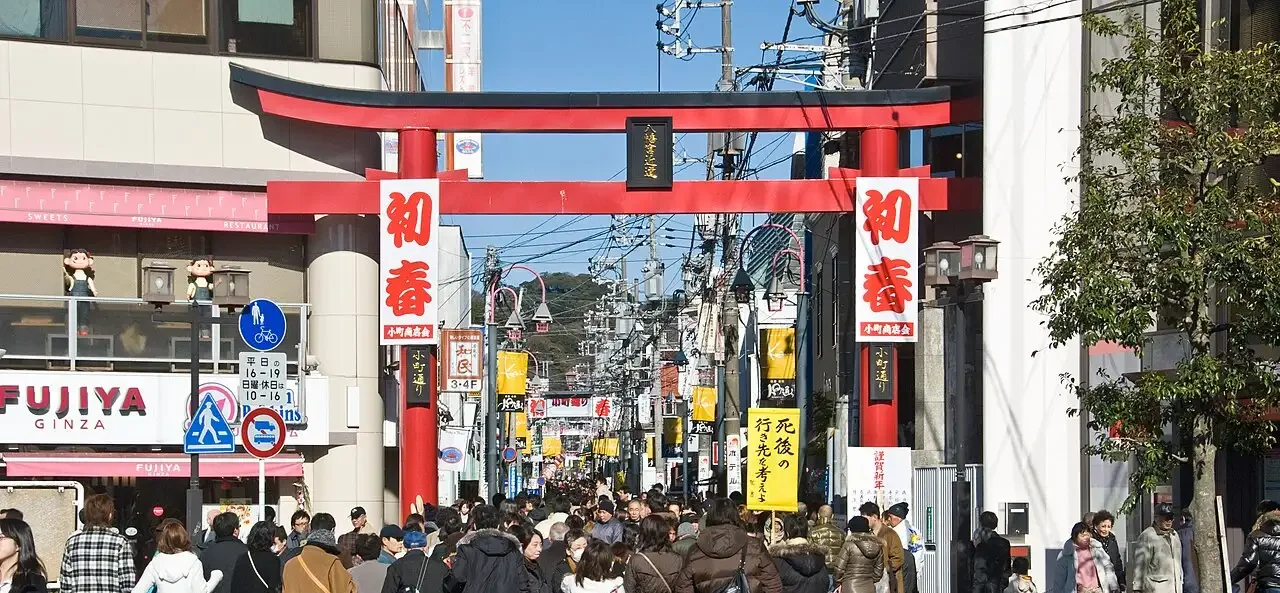
The street can get busy, especially on weekends, but that energy is part of its character. Instead of slowing the city down, it shows Kamakura’s more social and everyday side, where visitors and locals overlap in a small, walkable space.
Architecturally, it’s simple but varied. Traditional-style façades sit next to more modern storefronts, creating a layered visual identity that reflects Kamakura itself: historic, but lived-in and active.
In a Kamakura itinerary, Komachi-dori works best as a transition point. It connects the spiritual atmosphere of the temples with the more relaxed pace of the coast, making it a natural pause rather than a destination to rush through.
Yuigahama Beach
Yuigahama Beach is where Kamakura opens up completely to the sea, offering a wide stretch of coastline that feels relaxed, open, and noticeably slower than the temple areas.
It’s not a “picture-perfect tropical beach”, and that’s part of its character. Instead, it has a more local, lived-in atmosphere where people come to walk, sit by the water, or spend time outside rather than follow a strict plan.
The beach is especially enjoyable in the late afternoon, when the light softens and the pace of the day naturally drops. After a morning of temples and streets, arriving here feels like a release, as everything becomes more horizontal and open.
In summer, Yuigahama becomes more active, with swimmers, surfers, and small beach facilities adding energy to the area. Outside of peak season, it shifts into something quieter, almost minimal, where the sound of the waves becomes the main focus.
What makes Yuigahama important in a Kamakura visit is not complexity, but contrast. It’s the moment where the city stops being about history and movement, and becomes about space, air, and stillness.
In a Trinuki-style itinerary, this is where the day naturally slows down. Whether you stay for sunset or just a short walk along the shore, Yuigahama adds the final layer to Kamakura’s rhythm before heading back to Tokyo or continuing towards Enoshima.
Hokoku-ji (Bamboo & Moss Temple)
Hokoku-ji is one of Kamakura’s most atmospheric hidden gems, best known for its bamboo grove and moss-covered gardens. It feels more secluded than the main temples, almost like stepping into a quieter, more intimate version of the city.
The highlight is the bamboo forest path, a narrow walk surrounded by tall, dense bamboo that filters the light and creates a calm, almost suspended atmosphere. It’s not a large area, but the sense of enclosure makes it feel immersive.
Inside the temple grounds, the focus shifts to moss gardens and carefully maintained greenery, which give the place a soft, almost timeless character. Everything feels slower here, as if the space is designed for stillness rather than movement.
There is also a small tea house where you can sit and enjoy matcha overlooking the bamboo grove, which is one of the most memorable experiences in Kamakura. It’s a simple moment, but it captures the essence of the place perfectly.
Hokoku-ji is slightly away from the main route, which is why it feels more peaceful than other stops. It requires a bit more time to reach, but that distance is exactly what preserves its atmosphere.
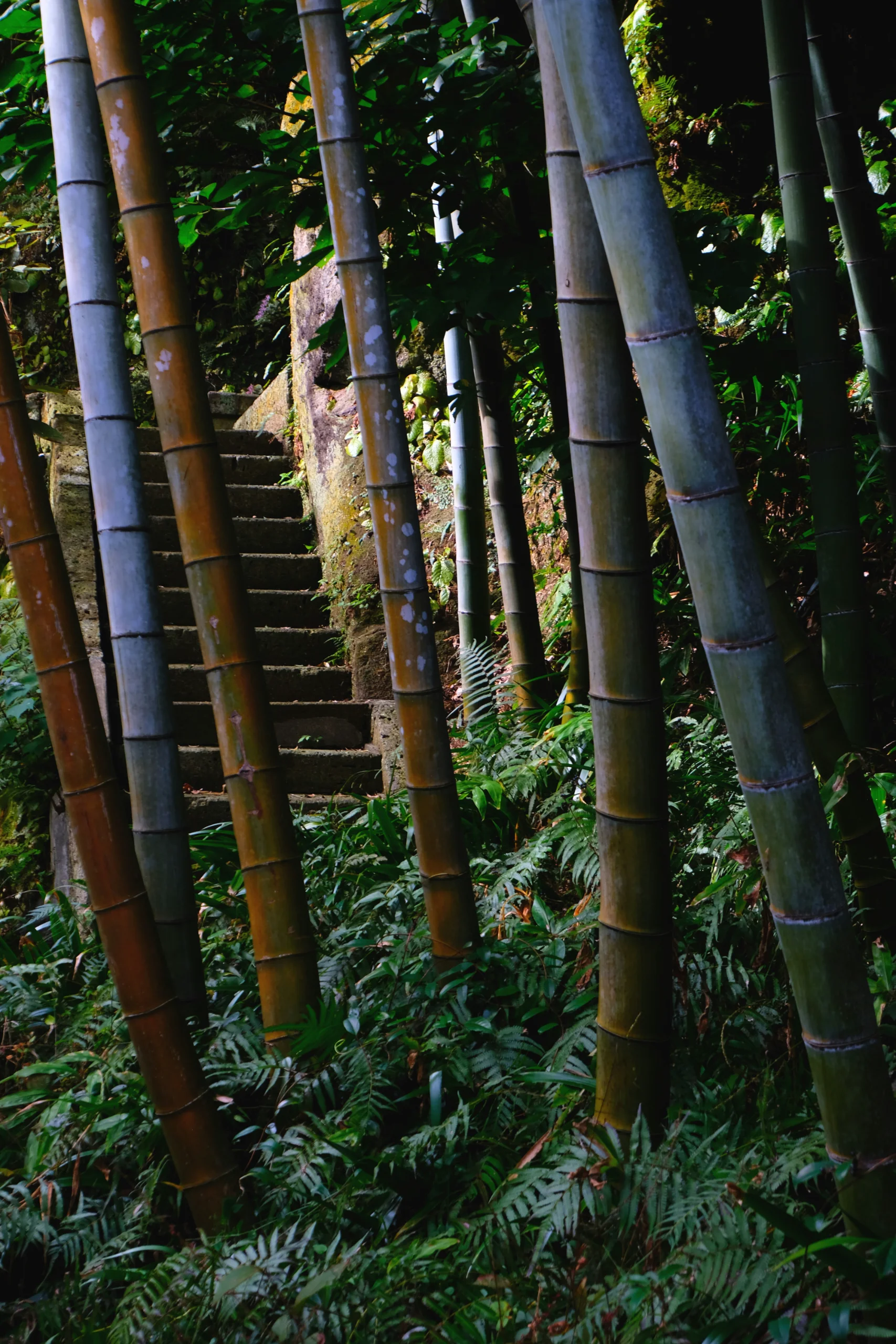
In a Kamakura itinerary, this is the stop you add when you want something more reflective and less crowded. It doesn’t compete with the Great Buddha or Hase-dera — it complements them with silence and texture.
Sugimotodera
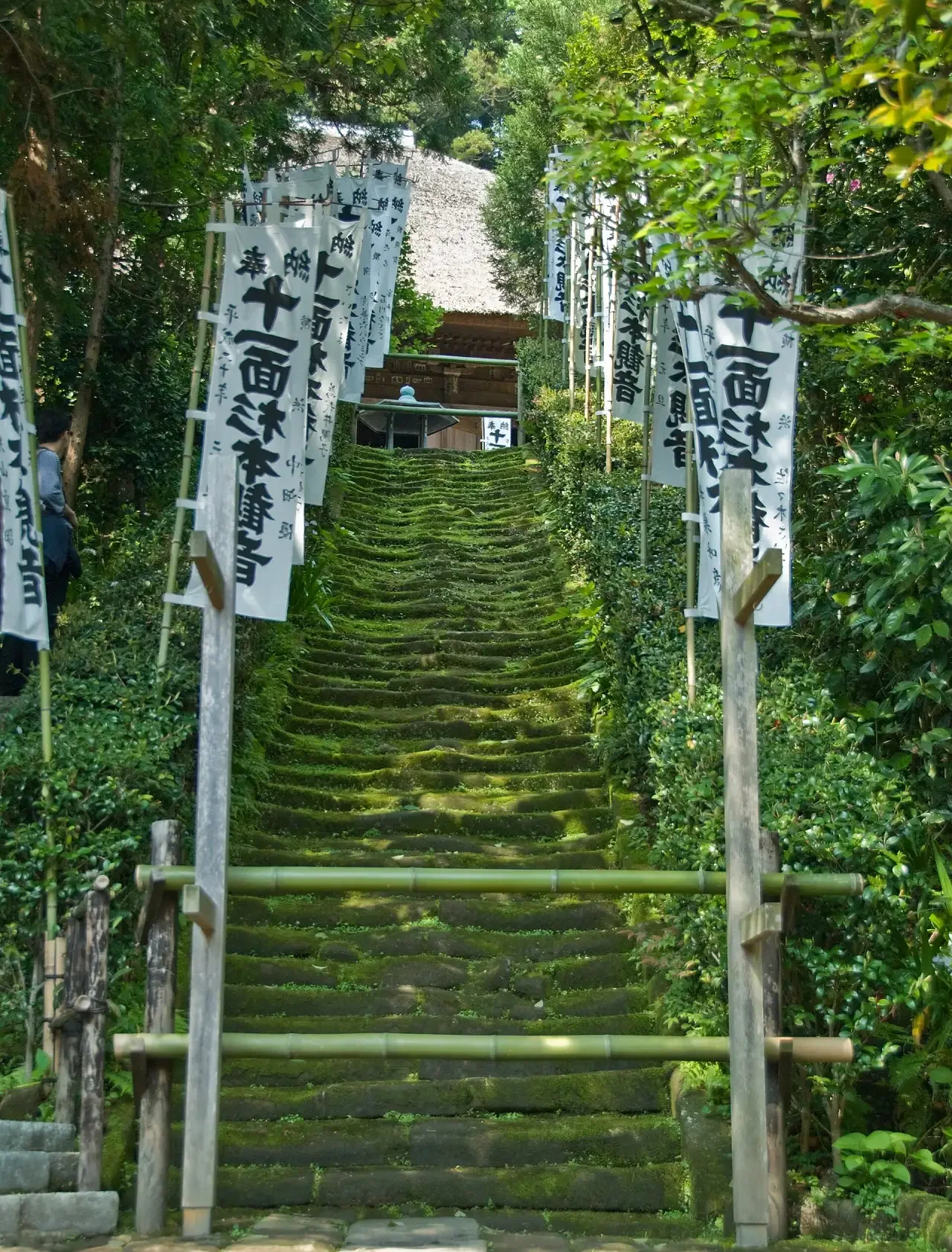
Sugimotodera is considered the oldest temple in Kamakura, and it immediately feels different from the more visited sites. It’s quieter, steeper, and more hidden, almost as if it’s slightly removed from the main flow of the city.
The most iconic part of the temple is its stone staircase covered in moss, leading up through a shaded forested path. The steps are simple, but the combination of age, humidity, and greenery gives them a very distinct atmosphere, especially after rain.
As you climb, the sound of the city fades and is replaced by a more natural silence. The temple doesn’t feel staged or polished, but rather layered over time, with textures that come from age rather than design.
At the top, the temple buildings are modest and traditional, keeping the focus on the surroundings rather than architecture. It’s less about spectacle and more about feeling the weight of history in a very direct way.
Sugimotodera is not on the main tourist flow, which is part of what makes it special. It requires a small detour, but that separation helps preserve its calm and slightly forgotten atmosphere.
In a Kamakura itinerary, this is one of those places you include if you want something deeper and less obvious. It doesn’t replace the main temples — it adds a quieter, more introspective layer to the day.
Plan your trip to Japan

Suggested Kamakura Day Trip Itinerary
Kamakura works best when you don’t try to overplan it, but having a loose structure helps you experience its different sides without rushing. The idea is simple: temples in the morning, streets in the middle of the day, and the coast as the day slows down.
Start early from Tokyo and head straight to Tsurugaoka Hachimangū. The long approach sets the tone for the day, and visiting in the morning means fewer crowds and a more peaceful atmosphere. From there, it’s easy to move into the surrounding streets and begin exploring Kamakura at a slower pace.
Late morning is the perfect time to head towards Hase-dera Temple and the Great Buddha at Kōtoku-in. These two stops define the spiritual side of Kamakura, and they’re close enough to combine without feeling rushed. Take your time here, this part of the day is where Kamakura feels most timeless.
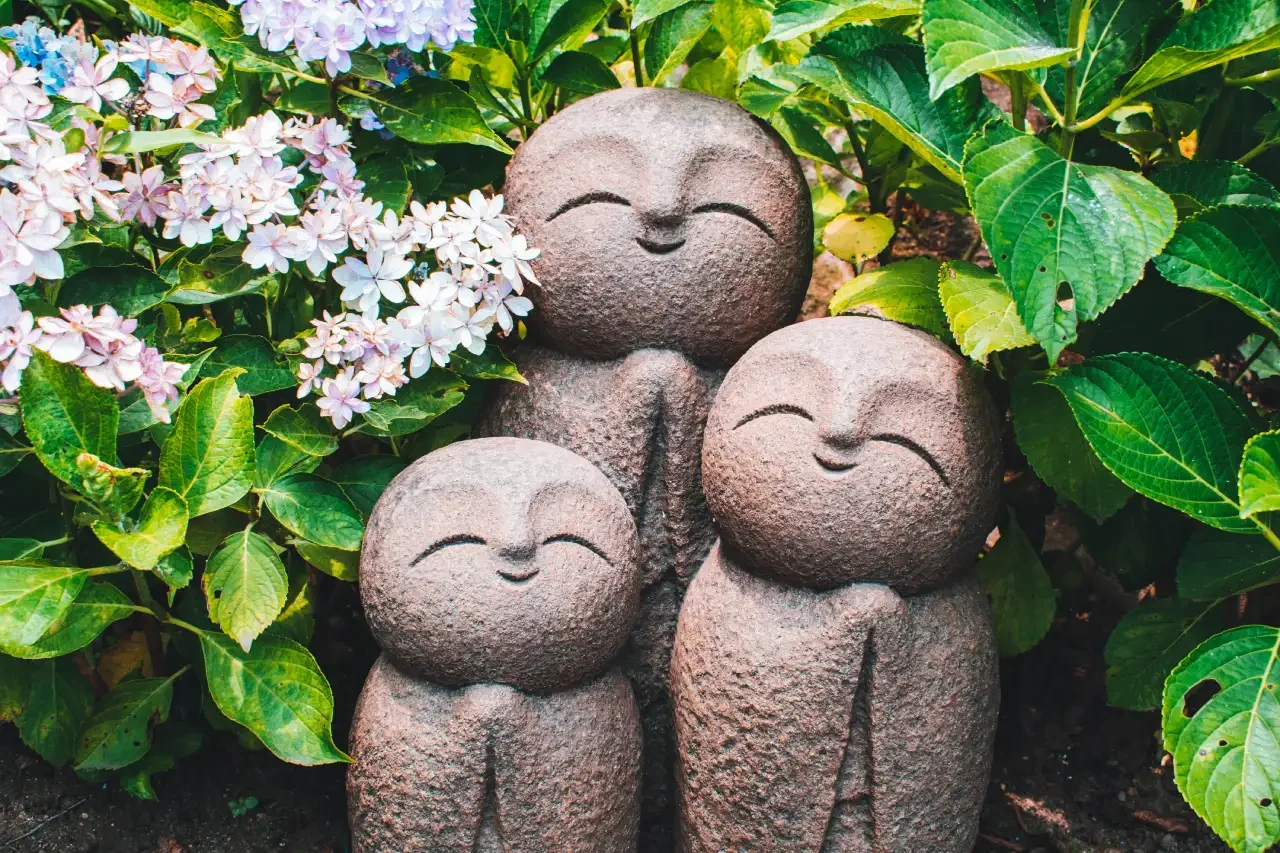
Photo by Roméo A.: https://unsplash.com/@gronemo
For lunch, return towards Komachi-dori Street, where you’ll find small local spots, casual cafés, and street food options. It’s the busiest area of the city, but also a good reset point before heading towards the coast.
In the afternoon, switch pace completely and take the Enoden Line towards the seaside. Get off around Hase or Yuigahama, depending on how much time you have, and let the coastline set a slower rhythm for the rest of the day.
Finish the day by walking along the beach or sitting near the shore as the light changes. If you time it right, sunset here can easily become the most memorable moment of the entire trip.
After that, you can either head back to Tokyo or stay a little longer and experience Kamakura after the day-trippers leave. That’s when the city feels most different, quieter, softer, and more local, which is exactly why some people choose to stay overnight.
Where to Eat in Kamakura
Kamakura’s food scene is not about big names or fine dining, but about small, relaxed places that fit the pace of the city. It’s the kind of destination where you eat between walks, not as a separate “event”.
The easiest place to start is Komachi-dori Street, right next to Kamakura Station. It’s lively, sometimes crowded, but full of variety. You’ll find everything from matcha sweets and soft-serve ice cream to simple noodle shops and quick local bites. It’s not the most authentic side of Kamakura, but it’s convenient and perfect for a casual stop.
If you move away from the main street, the atmosphere changes quickly. Around Hase, near the Great Buddha and Hase-dera Temple, there are smaller cafés and traditional-style restaurants that feel more relaxed and less touristic. This is a good area to slow down for lunch after visiting the temples.
Near the coast, especially around Yuigahama, you’ll find cafés with a more laid-back, beach-inspired vibe. Think open windows, coffee, sandwiches, and a slightly slower rhythm. It’s a good place to pause after walking along the seaside or riding the Enoden.
One of the most enjoyable parts of eating in Kamakura is how unstructured it feels. You don’t really need reservations or a plan. You just follow your route and naturally end up stopping somewhere that fits the moment.
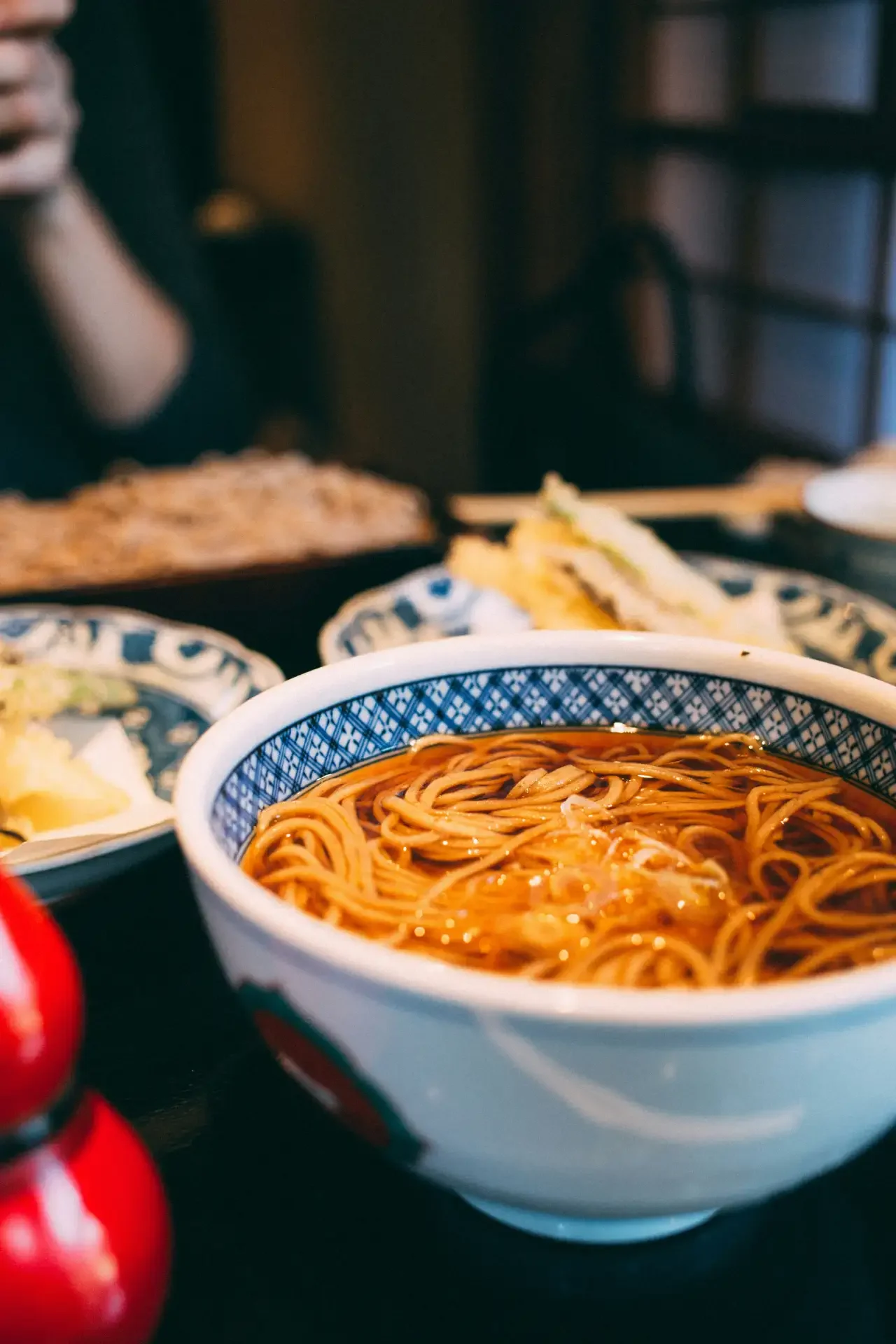
In the end, food in Kamakura is less about specific “must-try” spots and more about matching what you’re doing: a quick snack between temples, a calm lunch near Hase, or a coffee by the sea before heading back to Tokyo.
Is Kamakura Worth Staying Overnight?
For most visitors, Kamakura is treated as a simple day trip from Tokyo. And yes, you can absolutely see the main highlights in a single day. But the real question is not whether you can do it in a day, but whether you should leave right after.
Once the day-trippers start heading back to Tokyo, Kamakura changes. The streets around the station quiet down, the temples feel more open, and even the coastline takes on a slower, more local rhythm. It stops feeling like an “excursion” and starts feeling like a small coastal town again.
Staying overnight gives you something the day trip cannot: time without pressure. Early morning temples like Tsurugaoka Hachimangū feel completely different before the crowds arrive. The beaches are emptier, the cafés are calmer, and the Enoden feels less like a tourist highlight and more like a local train you just happen to be using.
It also allows you to experience Kamakura’s softer moments, sunset by the sea without rushing for the return train, or wandering through quiet streets after dark when everything slows down completely.
That said, staying overnight is not essential. If your time in Japan is limited, Kamakura works perfectly as a focused day trip. You’ll still get temples, the coast, and the Enoden experience in a single loop.
But if your itinerary allows for flexibility, even one night can shift Kamakura from “nice day trip” into something much more memorable. It becomes less about what you see, and more about the pace you experience it at.
Where to Stay in Kamakura (If You Decide to Sleep There)
If you decide to stay overnight in Kamakura, the main difference isn’t just comfort, it’s location. Where you sleep will shape how you experience the town once the day visitors leave and everything slows down.
The most convenient area is around Kamakura Station. Staying here means easy access to trains, restaurants, and both the eastern and western parts of the city. It’s practical, well-connected, and ideal if you’re only spending one night and still want flexibility the next morning.
For a more atmospheric stay, the Hase area is a great choice. It’s closer to the Great Buddha and the coastline, and it feels noticeably calmer in the evening. Waking up here gives you early access to temples before the crowds arrive, which is one of the strongest reasons to stay overnight in Kamakura at all.
If you’re looking for something more traditional, Kamakura also has a few small ryokan-style accommodations and guesthouses scattered around quieter residential streets. They’re not as luxurious as what you’d find in Kyoto, but they fit perfectly with Kamakura’s slower, coastal rhythm.
There’s also a subtle but important point: Kamakura after sunset feels different. Once the day-trippers leave, the town becomes quieter in a way that’s hard to imagine during peak hours. Cafés close early, streets empty out, and the sound of the ocean becomes more noticeable.
Staying overnight is less about having a “better hotel experience” and more about extending that feeling. It turns Kamakura from a day trip destination into a place you actually inhabit, even if only for one night.
Best Time to Visit Kamakura
Kamakura can be visited all year round, but the experience changes quite a bit depending on the season and even the time of day. The key is not just when you go, but how you want the place to feel.
The best overall seasons are spring and autumn. In spring, the temples and streets are surrounded by cherry blossoms, which makes places like Tsurugaoka Hachimangū especially atmospheric. Autumn brings softer light and warm colors, and the walking routes between temples feel more comfortable and scenic.
Summer is more mixed. It’s the best time if you want to combine Kamakura with its beaches, especially Yuigahama, but it can get hot and humid. It’s also the busiest period, especially on weekends when Tokyo residents escape to the coast.
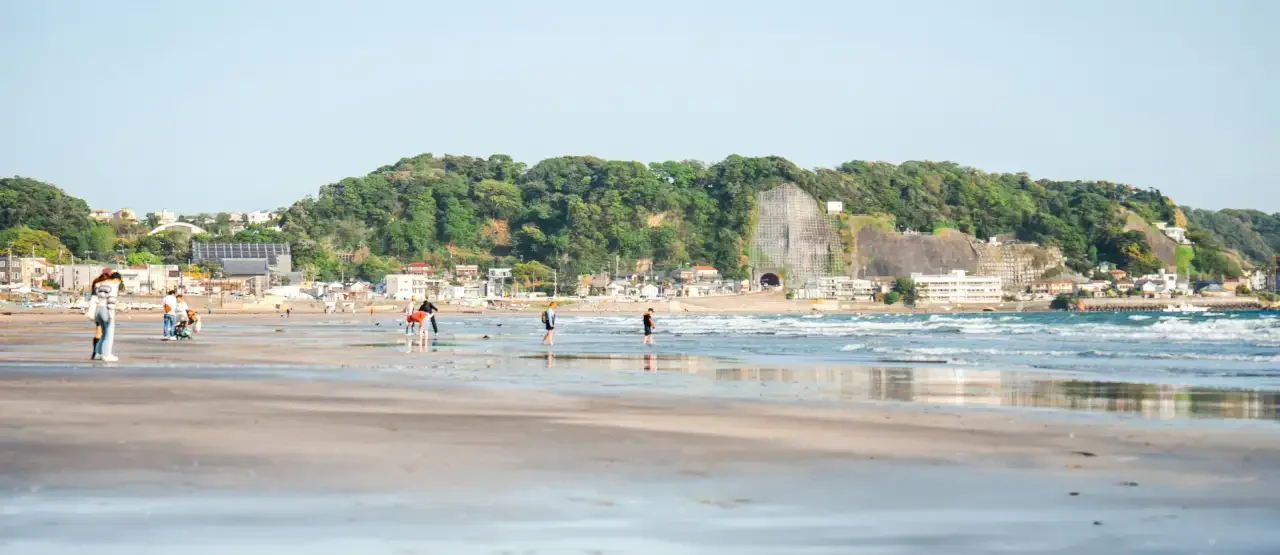
Photo by taro ohtani: https://unsplash.com/@taro_ohtani
Winter is the quietest season, and in some ways one of the most underrated. The crowds are smaller, the air is clearer, and the temples feel more open and peaceful. You lose the beach atmosphere, but you gain a more reflective version of Kamakura.
If there’s one rule that matters more than the season, it’s the time of day. Kamakura is very different before and after peak hours. Early mornings are calm and almost empty around major temples, while late afternoons bring softer light and a slower coastal rhythm. Midday, especially on weekends, is when it feels most crowded.
For a Trinuki-style visit, the ideal setup is simple: arrive early, move slowly, and stay until late afternoon or sunset if possible. That’s when Kamakura feels closest to its real character, not just as a tourist destination, but as a place that naturally shifts pace throughout the day.
Travel Tips (Trinuki Notes)
Kamakura is easy to visit, but the experience changes a lot depending on how you approach it. A few small decisions can turn it from a standard day trip into something much more memorable.
The first tip is simple: start earlier than you think you need to. Kamakura gets crowded quickly, especially around the main temples and Komachi-dori. Arriving in the morning gives you a quieter version of the city before the flow of day-trippers builds up.
Try to move with a loose direction rather than a strict schedule. Kamakura works best when you allow space between stops. The walks between temples, small streets, and unexpected cafés are often just as important as the main sights.
The Enoden Line is not just transport, it’s part of the experience. Don’t treat it like a simple transfer. Sitting by the window and watching the coastline or residential streets pass by is one of the most distinctive parts of the trip.

Related Article
If you want a more balanced experience, consider combining Kamakura with Enoshima, but only if you have enough time. Otherwise, Kamakura alone already has enough depth for a full day without feeling rushed.
Another small but important detail: weekends can completely change the atmosphere. If you have flexibility, weekdays are noticeably calmer, especially around the temples and beaches.
And finally, don’t underestimate the value of staying a bit longer in one place. Kamakura isn’t about ticking off landmarks, it’s about letting the pace shift naturally. Sometimes the best part of the day is simply sitting by the coast or wandering without a fixed plan before heading back to Tokyo.
For a wider understanding of how Kamakura fits into a broader trip, you can explore our Tokyo travel guide, where we break down the city’s districts, pacing, and how day trips like this naturally connect to your itinerary.
Suggested Itinerary Extension (Enoshima Option)
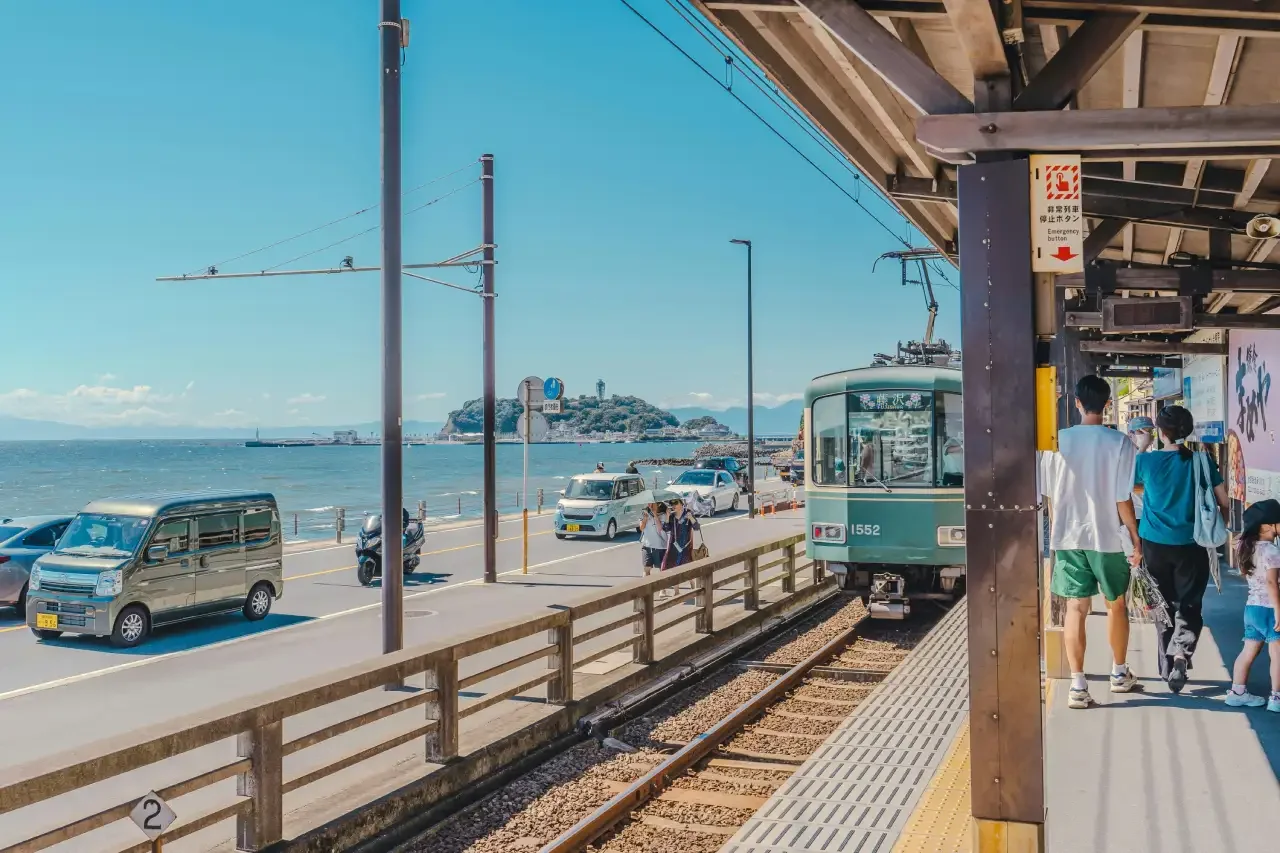
Photo by Roméo A.: https://unsplash.com/@gronemo
If Kamakura already feels like a full day on its own, adding Enoshima turns the experience into a slightly wider coastal journey rather than just a temple-focused trip. It’s not essential, but it adds a very different energy to the day.
Enoshima is a small island connected to the mainland by a bridge, and it feels more open, more exposed to the sea, and slightly more playful than Kamakura. While Kamakura is about temples and calm streets, Enoshima is about ocean views, viewpoints, and coastal atmosphere.
The easiest way to combine both is to treat Kamakura as the morning and early afternoon, then move towards Enoshima later in the day via the Enoden Line. The ride itself already feels like part of the transition, slowly shifting from historical streets to a more seaside-focused landscape.
Once in Enoshima, the main experience is walking up through the island. You’ll pass small shrines, local food spots, and viewpoints that gradually open up towards the ocean. On clear days, you can even see Mount Fuji in the distance, which adds a completely different layer to the visit.
Sunset is where Enoshima becomes most interesting. The light hits the ocean directly, and the atmosphere feels noticeably more dramatic than in Kamakura. It’s a good contrast if you’ve spent the day surrounded by temples and quieter streets.
That said, combining both only really works if you start early and keep Kamakura efficient. If you try to slow down too much in both places, the day becomes rushed very quickly. In that case, it’s better to choose one rhythm: Kamakura for depth, or Kamakura + Enoshima for variety.
In Trinuki terms, Enoshima is the “extension level” of the day. Not required, but rewarding if you want to turn a simple escape from Tokyo into a full coastal loop.