Kyoto: The Ultimate Cultural Guide to Japan’s Traditional Heart
I. Introducción
Welcome to Kyoto, the serene, cultural heart of Japan. While Tokyo dazzles with neon and future tech, Kyoto offers an essential connection to Japan's past, serving as the imperial capital for over a thousand years. This city is a living museum, preserving countless temples, Zen gardens, and traditional wooden machiya houses. If you are seeking the tranquility of a bamboo forest, the shimmer of a golden pavilion, or the chance to glimpse a geiko (Kyoto’s term for geisha) in the historic Gion district, this comprehensive guide will show you how to experience the very best of Japan's most revered cultural destination.
Why Kyoto is the Soul of Japan
Historic Preservation
Kyoto's identity is defined by its history. As the capital (Heian-kyō) from 794 to 1868, its cultural significance is unmatched. Crucially, the city was largely spared from the major bombings of World War II, leaving its 17 UNESCO World Heritage Sites, thousands of Buddhist temples, and Shinto shrines intact. This preservation makes Kyoto the definitive place to understand classical Japanese aesthetics, religion, and architecture.
The Art of Tranquility
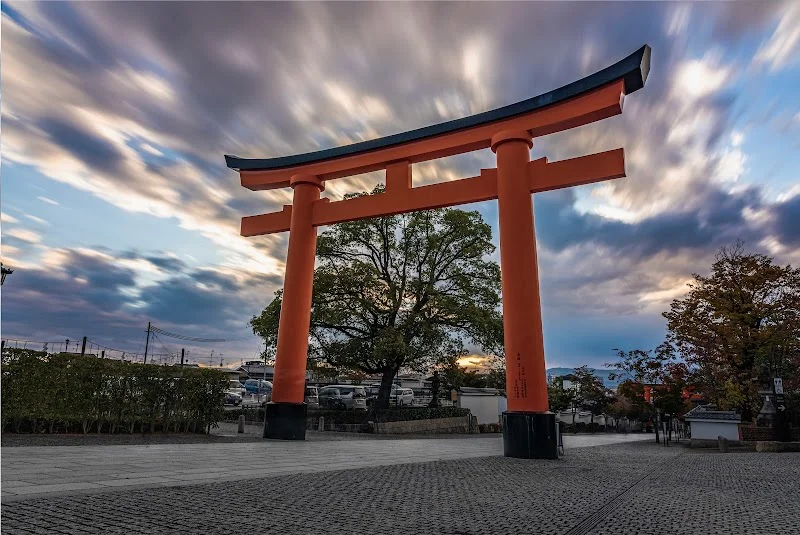
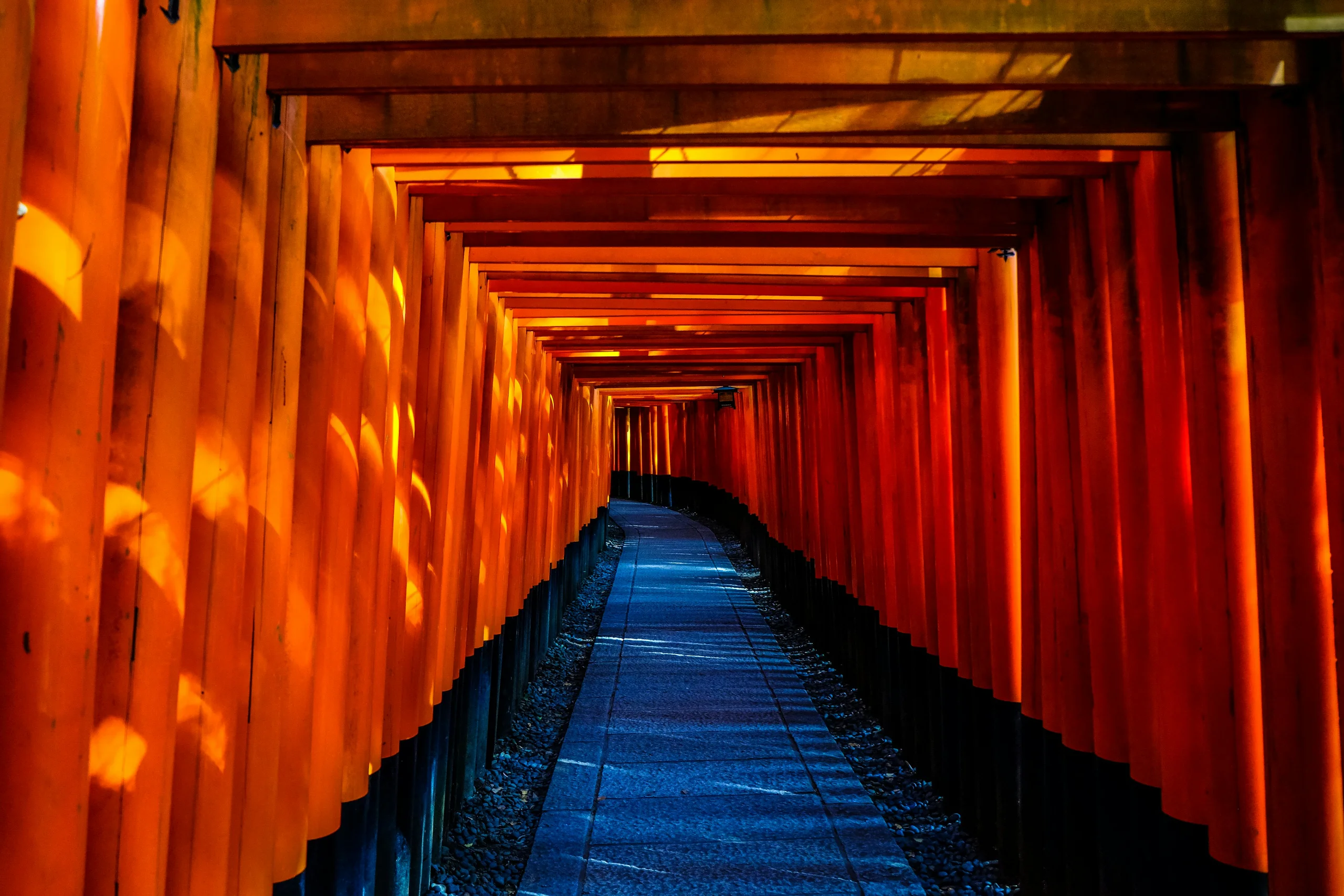
Kyoto is a masterclass in tranquility and natural beauty. Unlike the relentless pace of other major cities, life here encourages contemplation. Whether you are strolling through a meticulously raked Zen garden, participating in a quiet tea ceremony, or walking the path lined with thousands of red torii gates at Fushimi Inari, the city offers moments of deep calm, allowing you to connect with the Japanese concept of wa (harmony).
II. The Unmissable Sights of Kyoto (What to See)
Icons of Gold and Red (Temples and Shrines)
No trip to Kyoto is complete without visiting its architectural masterpieces. These sites represent the height del Japanese spiritual and artistic achievement:
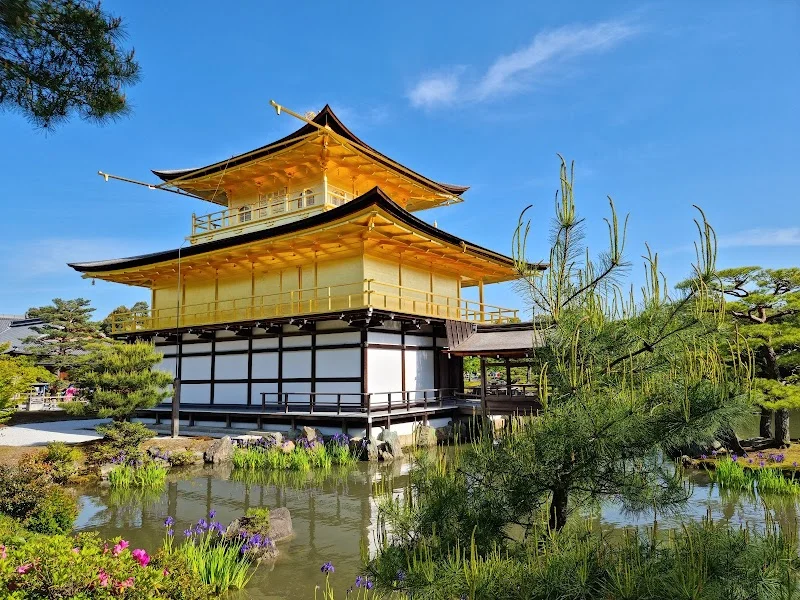
- Kinkaku-ji (The Golden Pavilion): This Zen Buddhist temple, completely covered in gold leaf, is one of Japan’s most famous sights. Its reflection in the surrounding pond is iconic.
- Fushimi Inari-taisha: Home to over ten thousand vibrant red torii gates that snake up a mountain path. This is an essential visit, best experienced early in the morning to avoid the crowds.
- Kiyomizu-dera Temple: Famous for its large wooden stage that juts out from the main hall, offering stunning panoramic views of the city, especially during cherry blossom and autumn foliage seasons.
Cultural Immersion: Gion and Arashiyama
Venture beyond the temples to experience the unique neighborhoods that define Kyoto's character:

Related Article
- Gion (The Geisha District): Walk the narrow, cobblestone streets of Hanami-koji in the evening for the best chance to spot a geiko or maiko (apprentice geisha). This is the epicenter of traditional arts and hospitality.
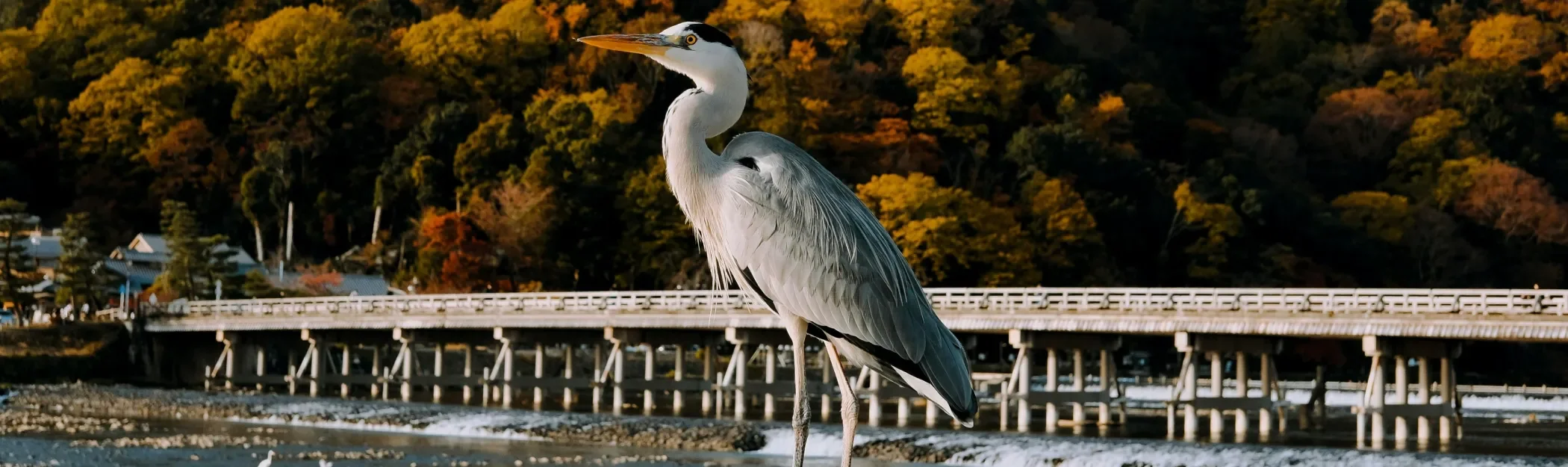
- Arashiyama Bamboo Grove: A magical path cutting through towering stalks of bamboo. While always popular, the experience is unforgettable. Combine this with a visit to the nearby Tenryu-ji Temple for a full morning of peace and nature.
- Nishiki Market: Known as 'Kyoto’s Kitchen,' this vibrant marketplace is perfect for trying regional snacks, unique pickles, and sampling local sake. It’s a must for foodies looking to dive deep into local flavors.
Nuki's Corner!
#Gion: Kyoto's Historic Geisha District


The Philosopher's Path (Tetsugaku no Michi)
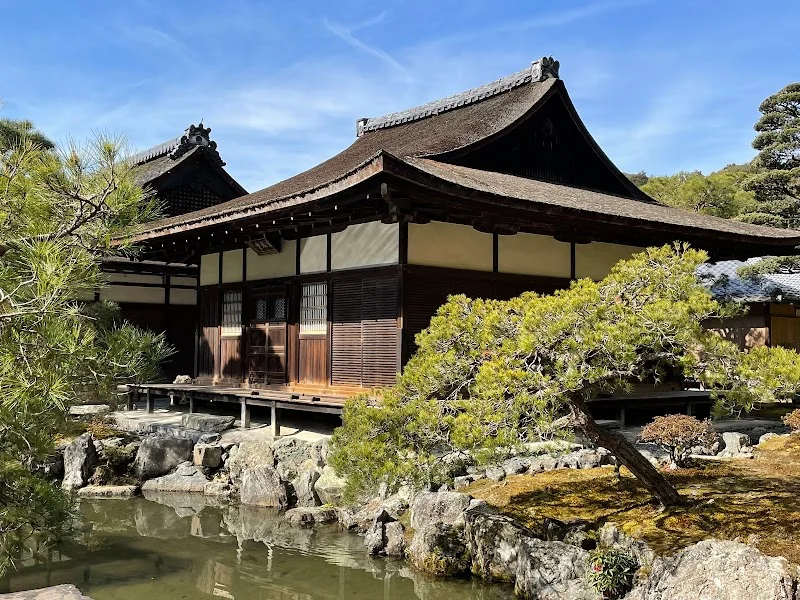
For a moment of quiet reflection, venture to the Philosopher’s Path, a famous stone walkway that follows a cherry tree-lined canal in the northern part of Kyoto's Higashiyama district. Named after the influential 20th-century Japanese philosopher, Nishida Kitaro, who allegedly used the route for his daily meditation, this serene path connects Ginkaku-ji (The Silver Pavilion) with the vicinity of Nanzen-ji Temple. While spectacular during the sakura (cherry blossom) season in spring, it offers year-round tranquility, making it the perfect break from the bustling city temples. This is Kyoto at its most contemplative.
III. Planning Your Perfect 3-Day Itinerary
Essential Transport and Logistics Tips
Kyoto’s public transport is key to saving time. Unlike Tokyo, the bus network is often more useful than the subway for accessing temples:
- Getting Around: Purchase a One-Day Bus Pass. Most major sights are more easily reached by the extensive city bus network. The subway is useful only for north-south movement.
- Getting There: The easiest access is via the Kansai International Airport (KIX) near Osaka, followed by a direct JR Haruka Express train to Kyoto Station. The Shinkansen (bullet train) connects Kyoto directly to Tokyo in just over two hours.
- Where to Stay: We recommend the Kawaramachi area for modern convenience and nightlife access, or a traditional ryokan (inn) in the Gion area for a deep cultural immersion.
Connecting Tokyo and Kyoto: The Shinkansen Experience
The most efficient and iconic way to travel between Kyoto and Tokyo (or vice-versa) is via the Tokaido Shinkansen (Bullet Train). This route is one of the busiest in the world and offers unparalleled speed and comfort, covering the distance in approximately 2 hours and 15 minutes (depending on the train type). If you have a Japan Rail Pass (JR Pass), you can use the Hikari or Kodama trains at no extra cost, though the super-fast Nozomi service is excluded from the pass. Tickets are easy to purchase at the major stations, making the journey a seamless part of your itinerary.
Why a 3-Day Trip is Perfect
Three days allows enough time to cover the major icons (Fushimi Inari, Kinkaku-ji, Kiyomizu-dera), dedicate a half-day to the Arashiyama Bamboo Grove, and spend an evening exploring the atmosphere of Gion. If you have more time, use your extra day for an excursion to Nara (famous for its wild deer) or Osaka.
IV. Ready to Experience Japan’s History?
We’ve compiled the best routes, transport links, and local secrets into a flexible itinerary so you can enjoy Kyoto without the planning stress. Click below to start building your trip!