Roppongi & Azabu: Tokyo Nightlife, Art and International Culture
What is Roppongi & Azabu?
Roppongi and Azabu sit side by side in central Tokyo, but they offer two very different faces of the city. Together, they form one of Tokyo’s most international and modern districts, where skyscrapers, embassies, luxury residences, and nightlife all coexist within a compact area.
Roppongi is the more energetic and expressive of the two. It’s known for its nightlife, contemporary art scene, and large-scale urban complexes like Roppongi Hills. This is where Tokyo feels most global: international restaurants, rooftop bars, art museums, and a constant flow of visitors from all over the world. It’s not the most traditional side of the city, but it’s one of the most visually striking, especially after sunset when the skyline lights up.
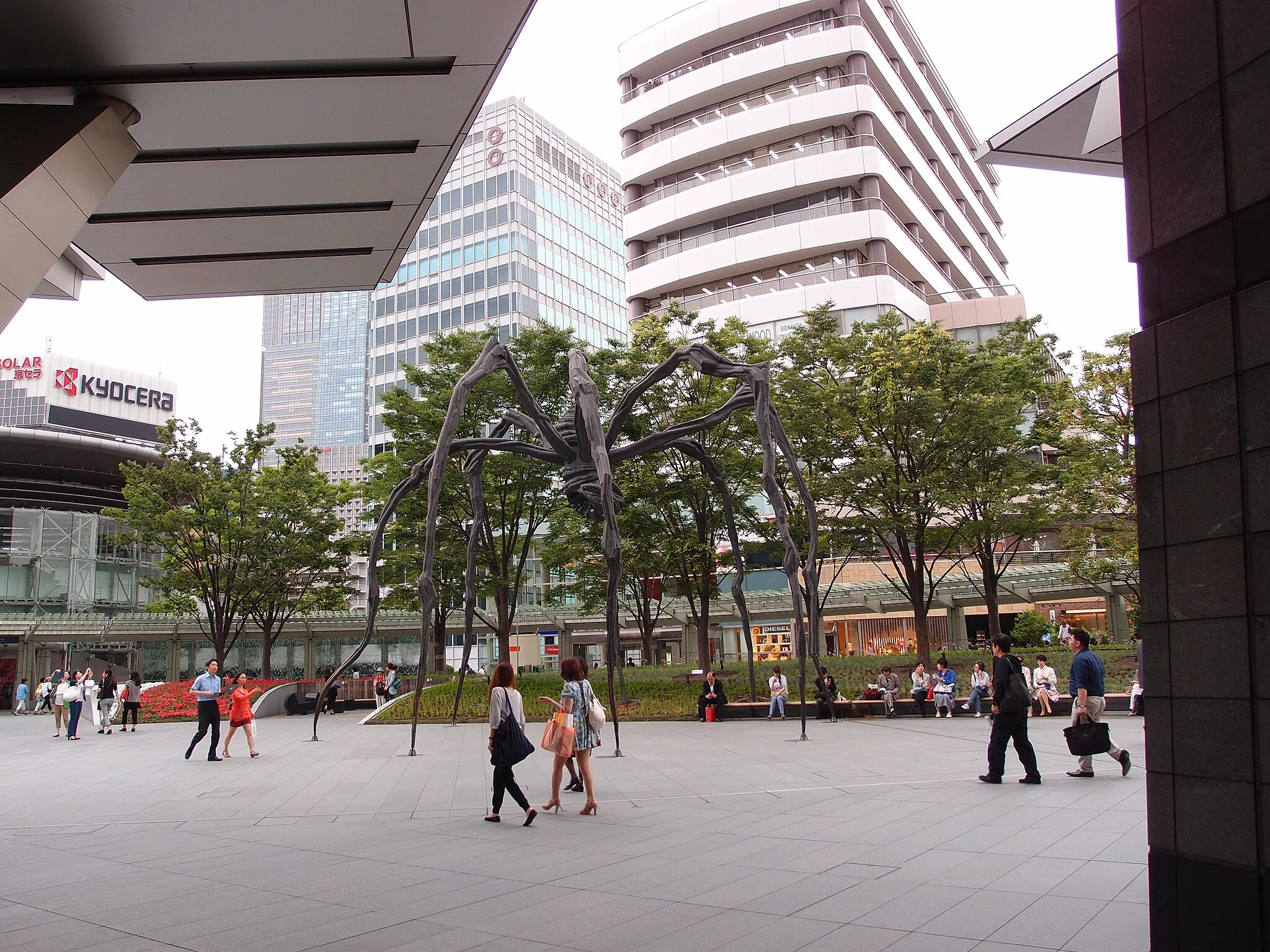
Azabu, on the other hand, feels more residential and understated. It’s home to many embassies and long-term international residents, which gives it a quieter, more refined atmosphere. Streets here are calmer, lined with upscale housing, small cafés, and hidden dining spots that feel far removed from the intensity of nearby Roppongi.
What makes this area interesting is the contrast. In just a few minutes on foot, you can move from neon-lit streets and busy entertainment hubs to peaceful, almost village-like neighborhoods. It’s this duality that defines Roppongi & Azabu: a place where Tokyo’s global ambition and everyday residential life exist side by side.
Roppongi: Tokyo’s Nightlife and Entertainment Hub
Roppongi is one of Tokyo’s most well-known districts for nightlife, entertainment, and international culture. Unlike more traditional areas of the city, Roppongi has built its identity around modern urban experiences, attracting both locals and visitors looking for a more global side of Tokyo.
As the sun sets, the area transforms completely. Streets fill with people moving between bars, clubs, rooftop lounges, and late-night restaurants, creating a constant sense of movement and energy. Roppongi has long been considered one of the best places in Tokyo for going out, with a wide range of options that go from relaxed cocktail bars to high-end clubs.
Beyond nightlife, Roppongi also stands out for its entertainment complexes like Roppongi Hills and Tokyo Midtown, which combine shopping, dining, offices, and cultural spaces in a single urban environment. This makes the area feel almost like a city within the city.
What defines Roppongi is its international atmosphere. It’s one of the few districts in Tokyo where you’ll hear multiple languages on the street and find restaurants representing cuisines from all over the world. This global mix is part of what makes the area feel more open and less bound to traditional Japanese urban patterns.
Roppongi is not just about going out at night. It’s about experiencing a different side of Tokyo: modern, dynamic, and constantly evolving.
Mori Art Museum & Roppongi Hills
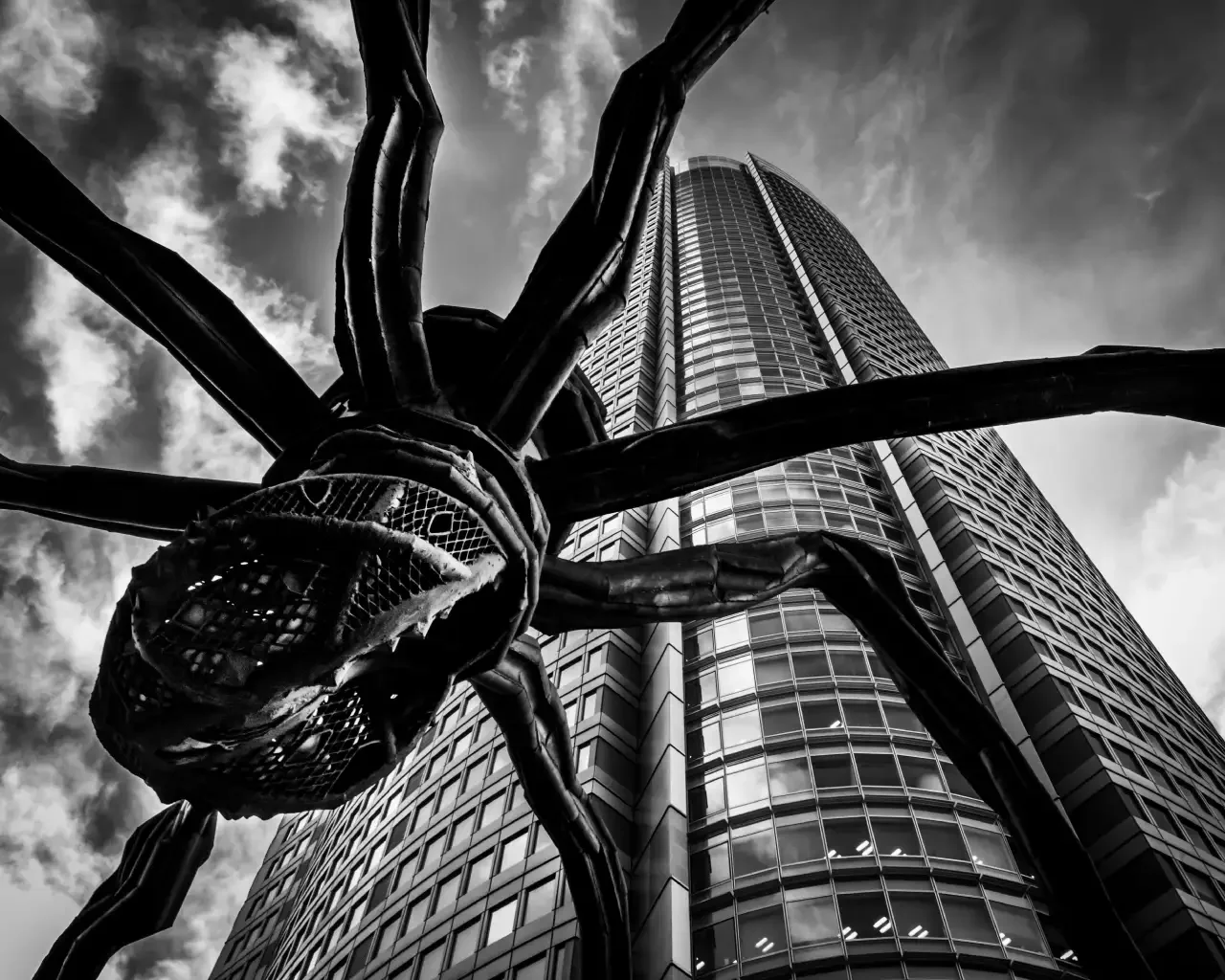
Roppongi Hills is one of Tokyo’s most ambitious urban developments, combining business, culture, shopping, dining, and residential spaces into a single integrated complex. At its heart stands the Mori Tower, which dominates the skyline and acts as one of the district’s main landmarks.
Inside the Mori Tower you’ll find the Mori Art Museum, one of Tokyo’s most important institutions for contemporary art and modern exhibitions. Unlike traditional museums, its focus is global and constantly changing, featuring works from international artists and large-scale temporary exhibitions that often explore architecture, society, and urban life. It’s a space that reflects the same modern, global identity as Roppongi itself.
One of the highlights of visiting this area is the Tokyo City View observation deck, located at the top of the Mori Tower. From here, you get one of the best panoramic views of Tokyo, with the city stretching endlessly in every direction. On clear days, you can even spot Mount Fuji in the distance, while at night the city transforms into a dense field of lights.
Roppongi Hills itself is designed as a “city within a city,” with high-end shops, restaurants, cinemas, and public art installations spread throughout the complex. Walking through it feels more like moving through a carefully curated urban experience than a traditional neighborhood.
This combination of art, architecture, and skyline views makes Mori Art Museum & Roppongi Hills one of the most representative experiences of modern Tokyo: polished, international, and visually impressive at every level.
Tokyo City View: Best Skyline Spot
Tokyo City View, located at the top of the Mori Tower in Roppongi Hills, is one of the most impressive observation decks in Tokyo and a key highlight of the district. From here, you get a 360-degree perspective of the city’s endless urban landscape, stretching far beyond the central wards into the horizon.
What makes this viewpoint special is the feeling of scale. Tokyo is often hard to grasp at street level, but from above you can clearly see how vast and layered the city really is. On clear days, Mount Fuji can be visible in the distance, adding a dramatic contrast to the dense skyline. At night, the experience completely changes, with thousands of lights forming one of the most iconic cityscapes in the world.
Unlike more open-air viewpoints, Tokyo City View is an enclosed observation deck, which makes it comfortable year-round. It’s especially popular during sunset, when the transition from daylight to night slowly reveals the full spectrum of Tokyo’s illumination.
For a more immersive experience, the Sky Deck (when open) offers an outdoor rooftop section with no glass barriers, giving a more direct connection to the city and weather conditions. It’s one of the few places in Tokyo where you can feel fully exposed above the skyline.
Tokyo City View is not just about seeing the city from above. It’s about understanding its scale, density, and rhythm from a perspective that completely changes how you experience Tokyo.
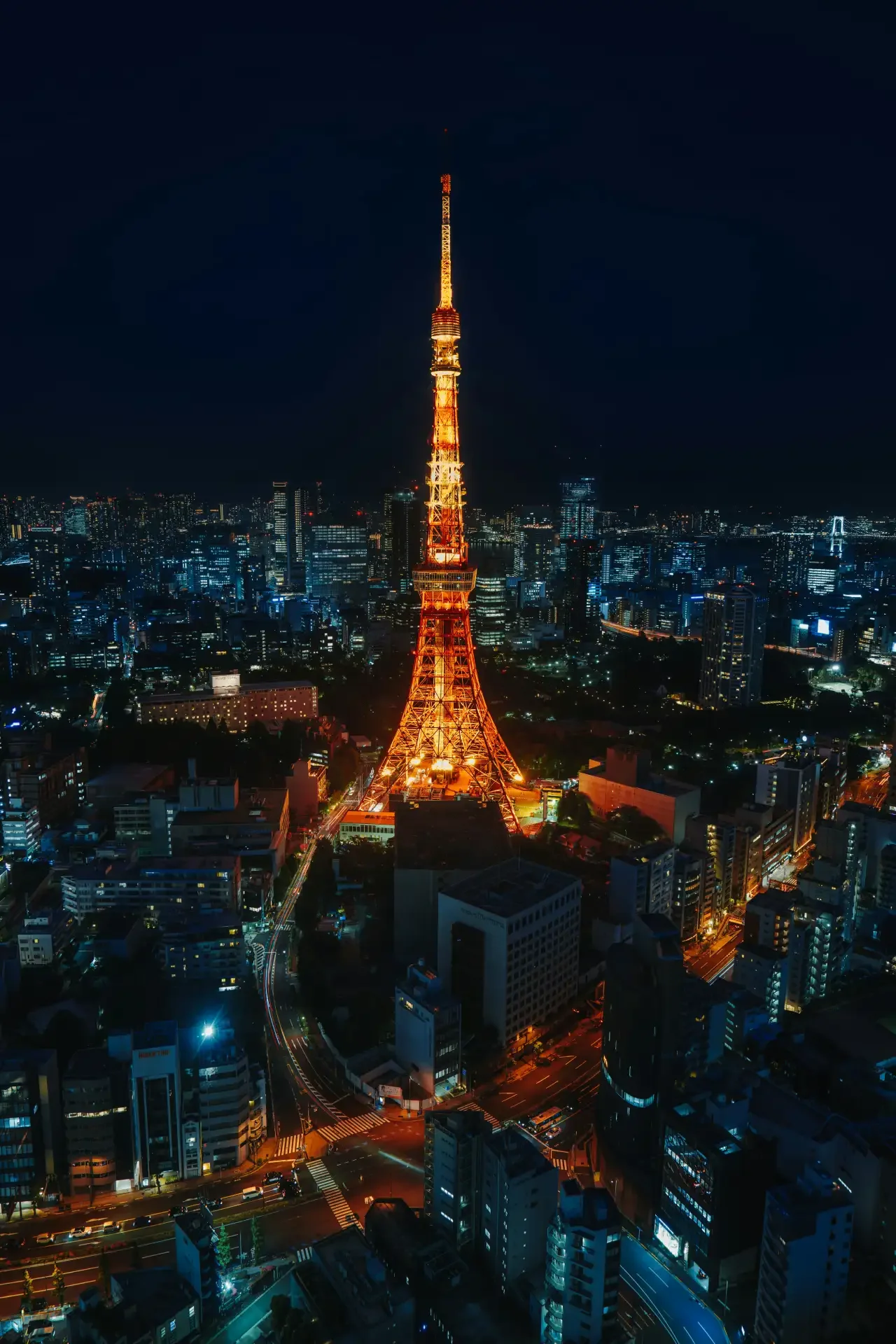
Photo by ZHENYU LUO: https://unsplash.com/es/@mrnuclear
Plan your trip to Japan
Azabu: A More Refined Residential Side
Azabu offers a very different atmosphere compared to nearby Roppongi. While just a short walk away from the nightlife and high-rise energy, Azabu feels quiet, residential, and understated, with tree-lined streets, embassies, and elegant low-rise buildings defining much of its character.
This is one of Tokyo’s most international residential areas, home to many diplomats and long-term foreign residents. As a result, the neighborhood has a subtle global influence, with international schools, specialty cafés, bakeries, and small imported goods shops blending naturally into the urban fabric. Despite this, it never feels busy or commercial in the way Roppongi does.
What stands out most in Azabu is the sense of calm. Streets like Azabu-Juban maintain a village-like feel, with traditional shops, small restaurants, and local businesses that have been there for decades. It’s one of the few places in central Tokyo where you can still experience a slower rhythm of daily life.
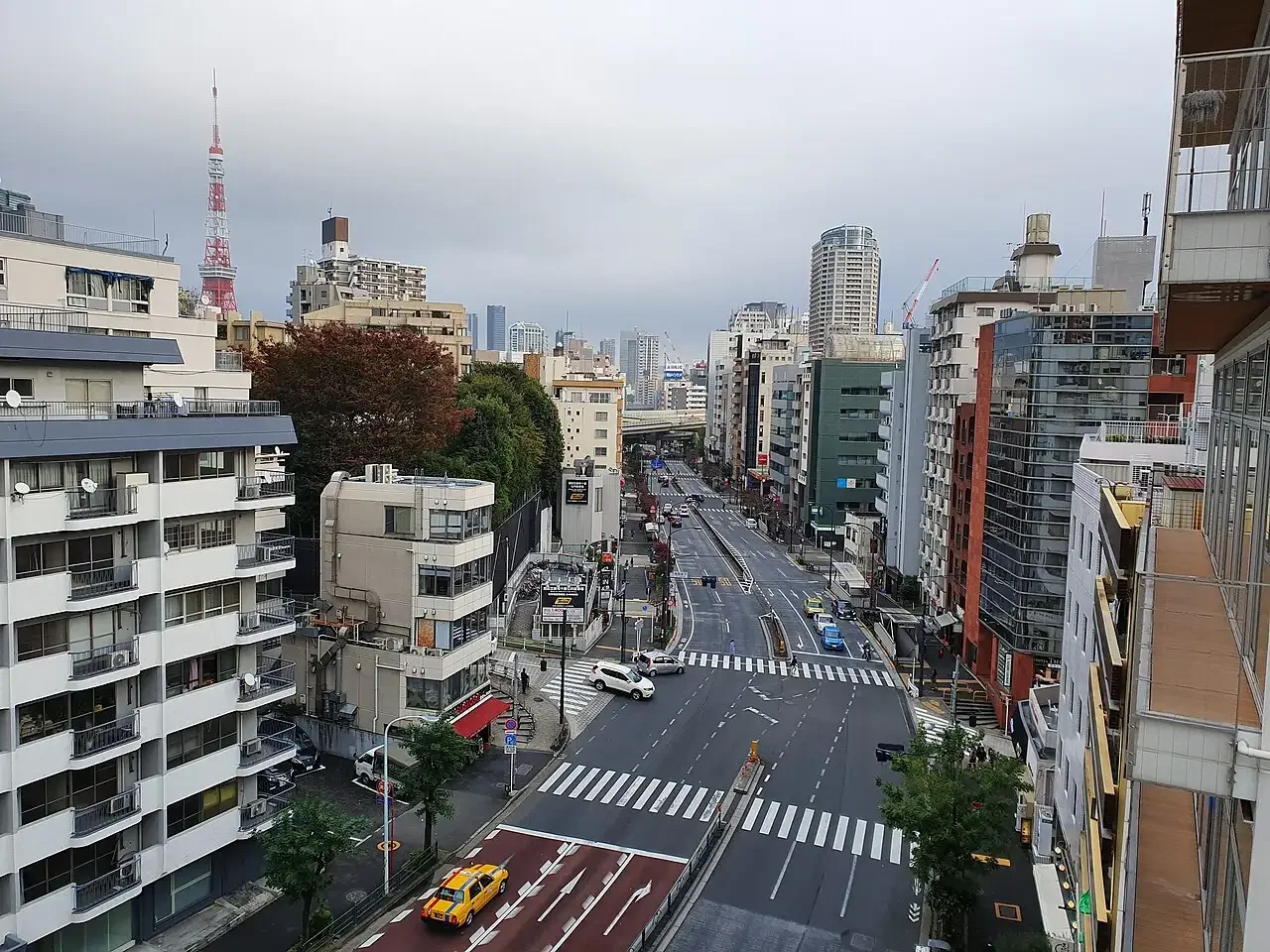
Azabu is not a district built around attractions or landmarks. Instead, its appeal lies in its lifestyle quality and atmosphere. It’s the kind of place where you wander without a strict plan, discovering hidden cafés, quiet alleys, and refined dining spots that feel intentionally tucked away from the city’s louder areas.
Together with Roppongi, Azabu completes the contrast of this part of Tokyo: one side expressive and energetic, the other calm and residential, both existing within minutes of each other.
Where to Eat in Roppongi & Azabu
Roppongi and Azabu offer one of the most international and diverse food scenes in Tokyo, reflecting the character of the area itself. Here, you’ll find everything from high-end sushi counters and fine dining restaurants to casual izakayas, international cuisine, and hidden local spots.
In Roppongi, dining tends to lean more towards modern and global experiences. The area is filled with upscale restaurants, rooftop dining spots, and fusion cuisine that attracts both locals and international visitors. You’ll also find plenty of late-night options, making it one of the best districts in Tokyo for eating after hours. Around Roppongi Hills and Tokyo Midtown, restaurants are often part of larger lifestyle complexes, offering a more curated and polished dining experience.
Azabu, on the other hand, is more subtle and residential in its food culture. Azabu-Juban in particular is known for its small, independent restaurants, many of which have been run by the same families for years. Here you’ll find traditional Japanese eateries, cozy ramen shops, artisan bakeries, and quiet cafés that feel more local and less tourist-driven.
What makes this area special is the variety within a small radius. In just a short walk, you can move from a Michelin-level sushi experience to a relaxed neighborhood izakaya or a hidden international restaurant. This contrast is part of what defines dining in Roppongi & Azabu.
It’s not just about where to eat, but about how flexible the experience can be: refined, casual, international, or deeply local, all coexisting in the same district.
Night Experience: What Roppongi Feels Like After Dark
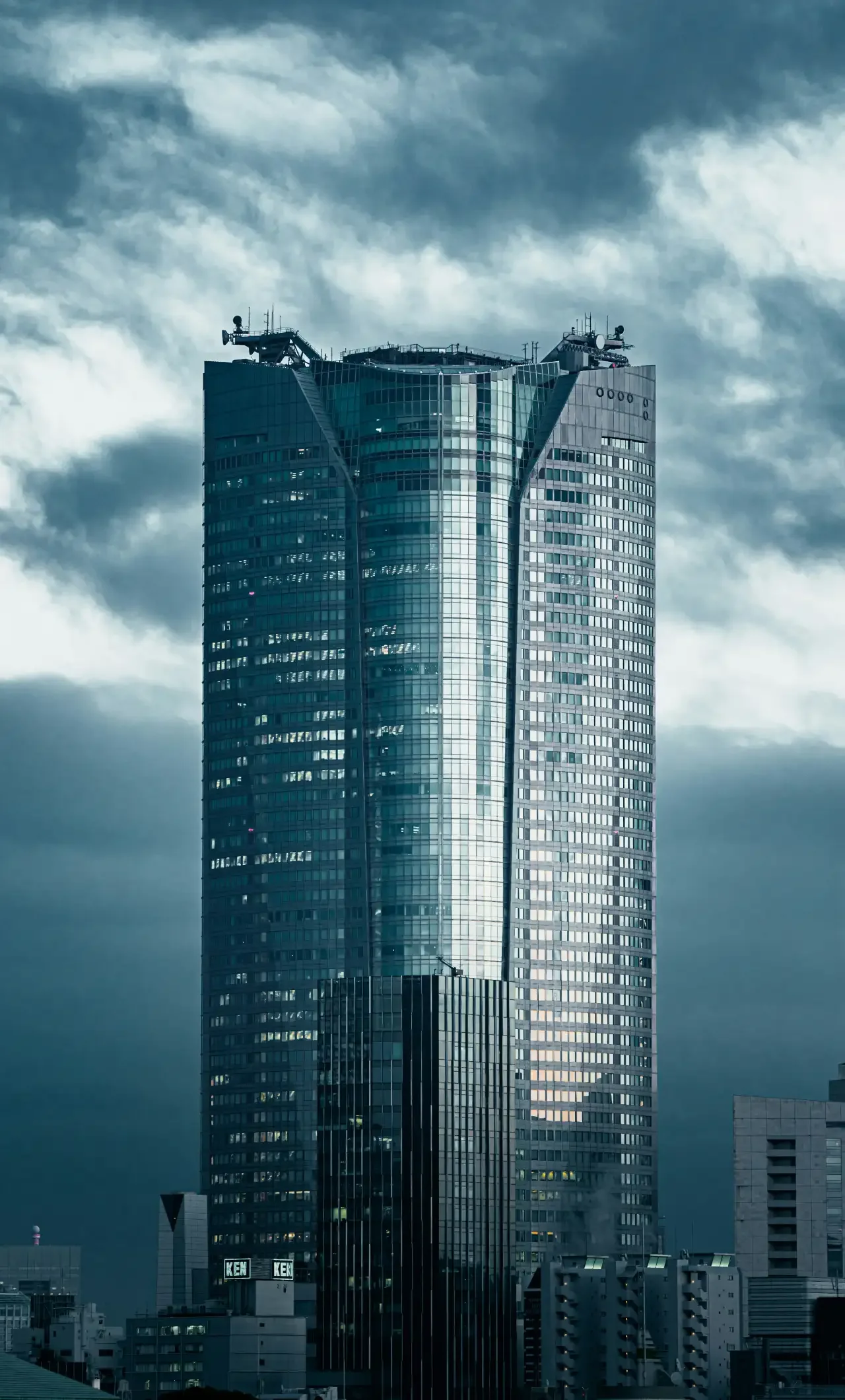
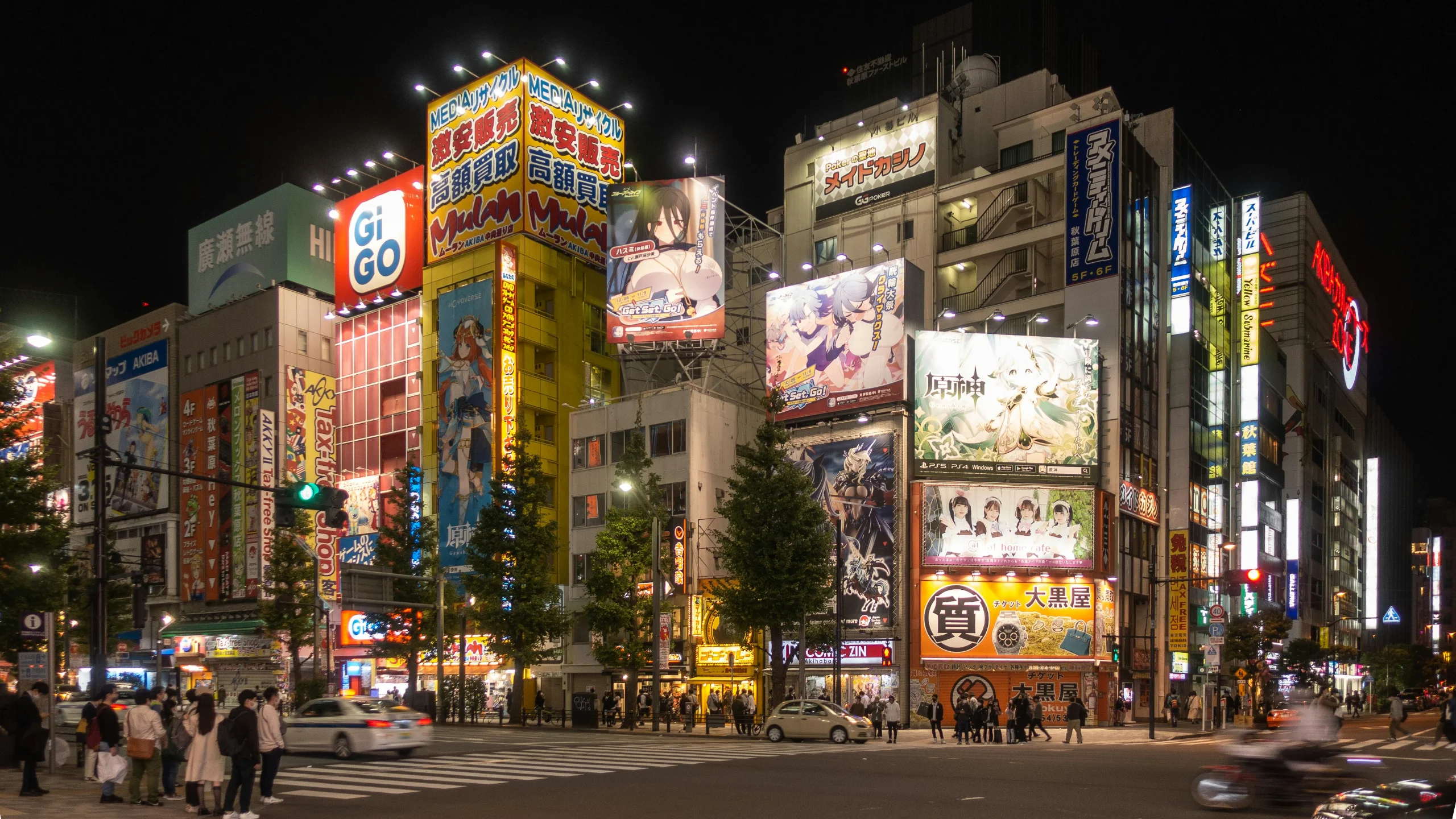
At night, Roppongi changes character completely. The district shifts from a daytime business and cultural hub into one of Tokyo’s most active nightlife areas, where neon lights, music, and constant movement define the atmosphere.
The main streets become filled with people moving between bars, clubs, restaurants, and entertainment venues, creating a sense of energy that lasts well into the early hours. Unlike more traditional areas of Tokyo, Roppongi is openly international at night, with visitors and residents from all over the world mixing in the same spaces.
One of the most distinctive aspects of Roppongi after dark is its visual intensity. Neon signage, illuminated skyscrapers, and busy intersections give the area a cinematic feel, especially around Roppongi Crossing and the surrounding streets. Even simple walks between venues feel like part of the experience.
The nightlife here is also very varied. You can find relaxed cocktail bars, high-end lounges, live music venues, and large nightclubs, often within a few minutes of each other. This density makes it easy to move between different atmospheres in a single night.
Despite its reputation, Roppongi is not only about partying. There are also quieter experiences, such as late-night dining, night views from nearby observation decks, or simply walking through Roppongi Hills when the crowds thin out and the city feels more open and spacious.
What defines Roppongi at night is contrast: high energy streets next to calm, polished spaces, all coexisting in a district that never fully slows down. It’s one of the few places in Tokyo where the city feels fully awake 24 hours a day.
Travel Tips for Roppongi & Azabu
Roppongi & Azabu are easy to explore, but the experience improves a lot if you understand how the area works. It’s a district of contrasts, so a few practical tips help you move between its different atmospheres more naturally.
One of the key points is timing. Roppongi feels very different during the day and at night. If you’re interested in museums, observation decks, or architecture, visit during the day. If you want nightlife, bars, and energy, come after sunset when the area is at its most active.
The main station is Roppongi Station, served by the Hibiya Line and the Oedo Line. It connects easily to areas like Shibuya, Tokyo Station, and Shinjuku, but be aware that exits can be confusing due to the large underground network. It’s worth checking your exit before arriving.
Nuki's Corner!

Roppongi can feel very different depending on the exit you choose from the station.
If you want a smoother arrival, use the Roppongi Hills exit to avoid the busiest nightlife streets and start your visit from the most visually impressive area.

Azabu is more residential and less obvious to navigate. Areas like Azabu-Juban are best explored on foot, as many of its best spots are hidden on smaller streets and side alleys. It’s not a place you rush through, but one you slowly discover.
Safety is generally good, but Roppongi is known for being a nightlife district, so at night you may encounter promoters or overly busy club areas. A simple “no, thank you” is enough if you’re not interested.
For food, reservations are recommended for higher-end restaurants, especially in Roppongi Hills and Tokyo Midtown. In contrast, Azabu’s smaller local spots often work on a walk-in basis.
Finally, don’t try to treat the area as a single uniform district. The real value of Roppongi & Azabu comes from their contrast: modern entertainment vs quiet residential life, often within just a few minutes of walking distance.
How to Include Roppongi in Your Tokyo Trip
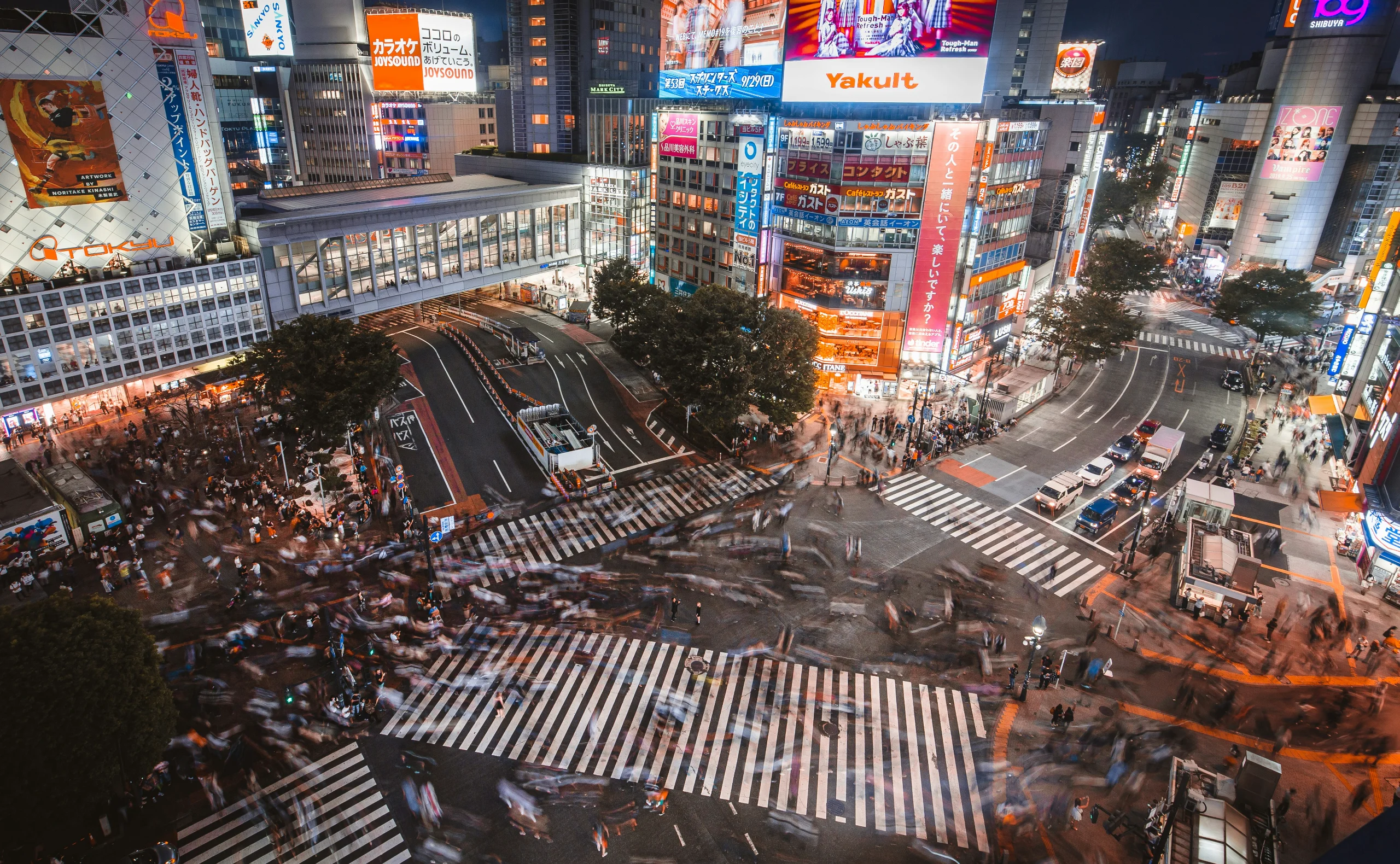
Before heading to Roppongi, areas like Shibuya work especially well as a starting point. You can spend the morning exploring its busy streets, shopping areas, and cafés, then transition into Roppongi in the afternoon for a more cultural and skyline-focused experience.

Related Article
Roppongi works best as a flexible stop within a broader Tokyo itinerary, rather than a full-day destination on its own. Its value comes from combining skyline views, culture, dining, and nightlife in a relatively compact area, so how you include it depends on the type of experience you want.
If you’re focused on sightseeing, Roppongi fits naturally into a modern Tokyo day plan. You can combine it with nearby areas like Tokyo Tower, Azabu, or even a transfer through Shibuya or Akasaka. A common approach is to visit in the afternoon, explore Roppongi Hills and the Mori Art Museum, and stay until sunset for the Tokyo City View skyline experience.
For culture-focused travelers, Roppongi pairs well with museums and architecture. Spending a few hours at the Mori Art Museum, then walking around the surrounding complex gives you a clear contrast to more traditional districts like Asakusa or Ueno.
If your goal is nightlife, Roppongi becomes more of an evening destination. It works well as a transition point after exploring other areas earlier in the day. Many travelers come here after dinner elsewhere in Tokyo and stay late for bars, lounges, or club experiences.
Azabu can be included as a quieter extension of the visit. It’s ideal if you want to slow down after Roppongi’s intensity, especially around Azabu-Juban where you can find small restaurants and a more local atmosphere.
The key is not to over-plan Roppongi as a standalone destination. Instead, think of it as a layered experience within Tokyo, where you can choose between culture, skyline views, dining, or nightlife depending on the time of day and your energy level.
After exploring Roppongi, you can continue your evening towards Odaiba, one of Tokyo’s most futuristic waterfront areas. The transition feels natural, especially if you time it for sunset, and the journey itself via the Yurikamome line adds another layer to the experience.
Related Article
Close to Roppongi: Tokyo Tower
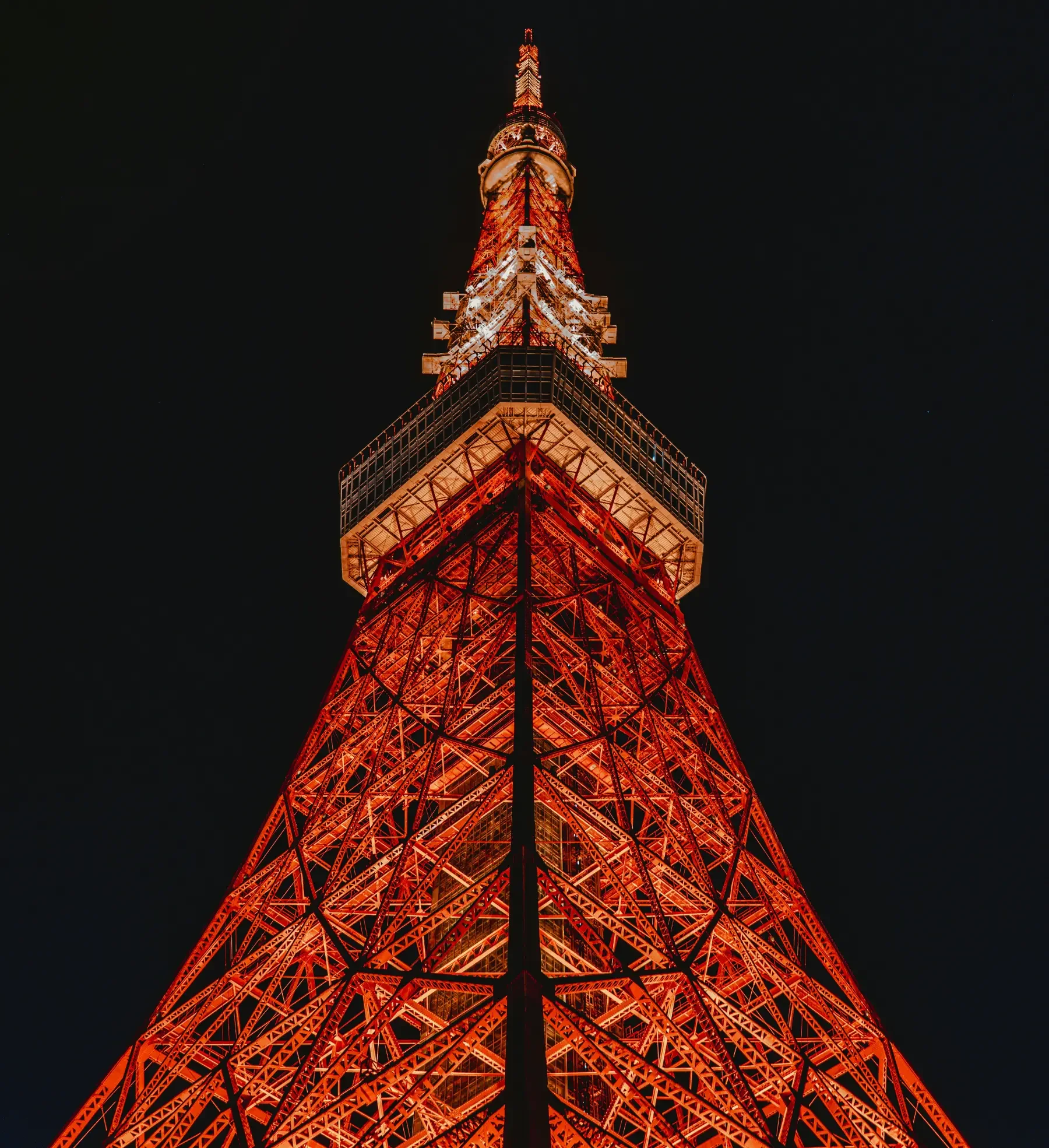
Just a short distance from Roppongi and Azabu, Tokyo Tower is one of the city’s most recognizable landmarks and an easy addition to your visit in the area. Inspired by the Eiffel Tower but adapted to Tokyo’s skyline, it stands as a symbol of the city’s post-war growth and modernization.
While Tokyo now has taller observation points, Tokyo Tower still offers one of the most iconic and photogenic views of the city. From its observation decks, you get a more intimate perspective compared to newer skyscrapers, with a clear view of surrounding neighborhoods and the dense urban layout that defines Tokyo.
The tower is especially striking at night, when it’s fully illuminated and visible from many parts of Roppongi and Azabu. In fact, one of the best ways to experience it is not necessarily from the top, but from the streets or viewpoints around the area, where it appears framed between modern buildings and city lights.
Because of its proximity, Tokyo Tower works perfectly as part of a walking route between Roppongi, Azabu, and nearby districts. It adds a more classic, almost nostalgic contrast to the modern architecture of Roppongi Hills and the newer developments nearby.
Even if you don’t go up, seeing Tokyo Tower from different angles throughout the area is part of what makes exploring this part of Tokyo feel so visually rewarding.