Ueno Park: Tokyo’s Cultural Heart Full of Museums, Nature and Pandas
Why Visit Ueno Park?
If you're planning a trip to Tokyo, Ueno Park is one of those places that simply makes your life easier.
It might not be the most futuristic area in the city, and it’s not the most traditional either. But what makes Ueno special is exactly that balance. Here, you can experience culture, nature and local life in one single stop, without needing to move across the city.
Within just a short walk, you can go from exploring the Tokyo National Museum, to relaxing by Shinobazu Pond, or even visiting a temple like Kaneiji Temple. It’s one of those rare places in Tokyo where everything feels close and easy.
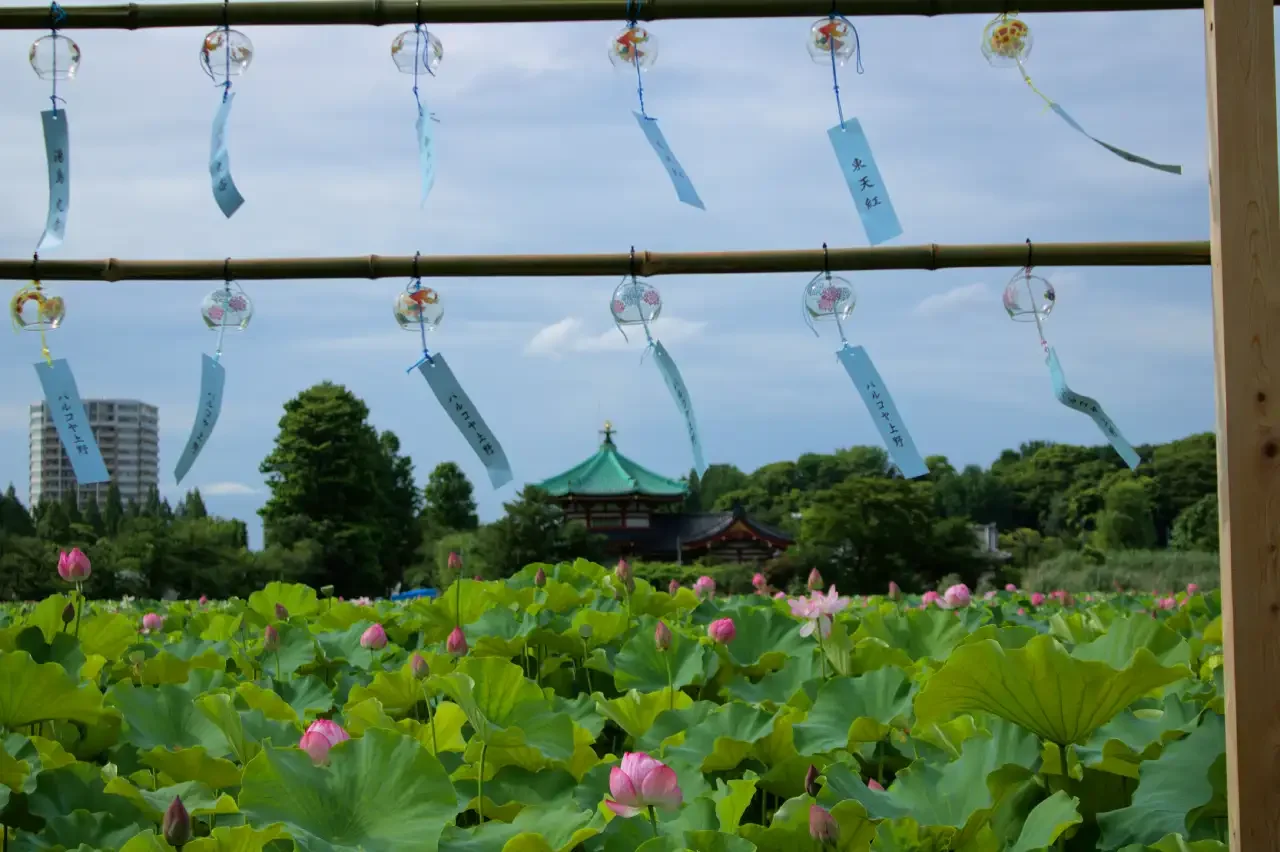
Photo by Beatriz Martinez in https://unsplash.com/es/@ameyallie
Another big advantage is the location. Ueno Station is right next to the park, which means you can fit it into your itinerary without overthinking it. Whether you have half a day or just a couple of hours, Ueno works.
It’s also one of the best spots in Tokyo during cherry blossom season. The park fills with locals and travelers enjoying hanami under hundreds of sakura trees, creating one of the most iconic spring scenes in the city.
At the end of the day, Ueno Park is not about one specific highlight, it’s about how much you can experience in such a compact area. If you're trying to make the most of your time in Tokyo without rushing everywhere, this is a very smart stop.
Top Things to Do in Ueno Park
Ueno Park is one of those places where you don’t really need a strict plan, because the best experience comes from just walking around and mixing culture, nature and local life at your own pace.
That said, there are a few spots you really shouldn’t miss.
Visit Ueno Zoo (and meet the pandas)

One of the most popular attractions inside the park is Ueno Zoo, especially famous for its giant pandas.
It’s not a massive safari-style zoo, but it’s well organised and easy to explore. If you’re short on time, you can focus on the panda area and a few highlights without needing hours.
Visit the zoo section below for more information!
Explore the Tokyo National Museum
The Tokyo National Museum is the oldest and largest museum in Japan, and easily one of the most important cultural stops in Tokyo. If you’re visiting Ueno Park, this is the place where you really start to understand Japan beyond the surface level.
What makes it special is not just the size of the collection, but how well it tells the story of Japan through different eras. Inside, you’ll find everything from ancient pottery and Buddhist sculptures to detailed samurai armour, ukiyo-e prints, textiles and beautifully preserved historical artifacts. It’s the kind of place where you can go from room to room and slowly piece together how Japanese culture has evolved over centuries.
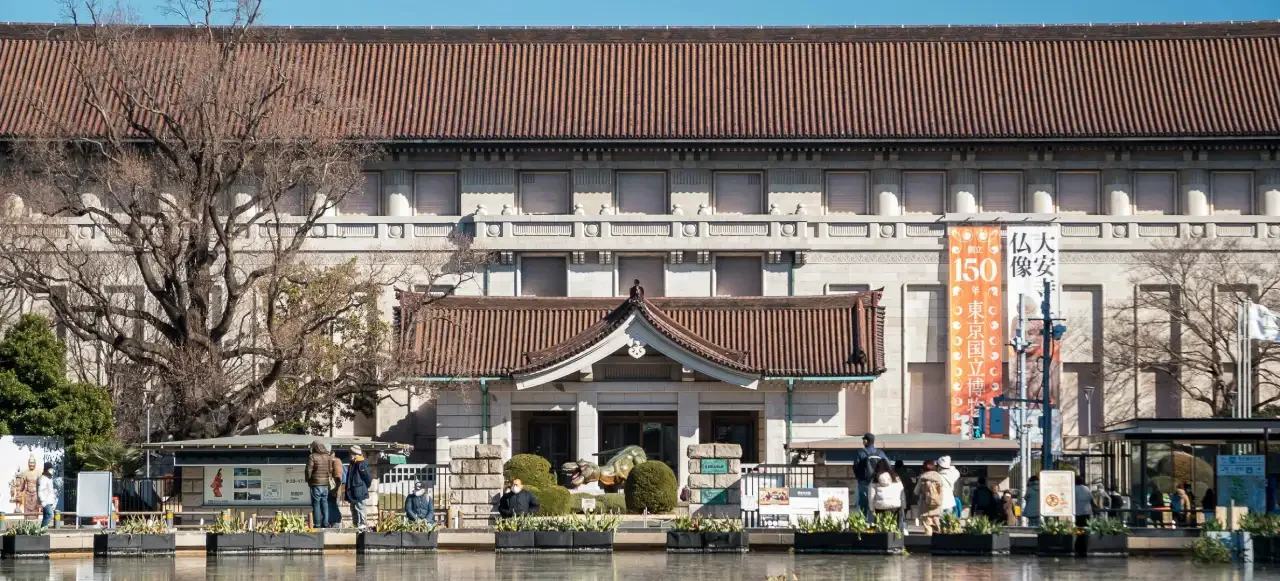
Photo by Luke Galloway: https://unsplash.com/es/@space_face_films
The museum is divided into several buildings, but the main one is the Honkan (Japanese Gallery), where most of the key permanent exhibitions are located. There’s also a dedicated space for Asian art from other countries, which helps put Japan’s own history into a broader regional context.
One of the things that surprises many visitors is how calm it feels inside. Even though it’s a major attraction, it rarely feels overwhelming. The layout is spacious, the lighting is soft, and it’s very easy to explore at your own pace without feeling rushed.
If you’re short on time, you don’t need to see everything. A focused visit of 60–90 minutes is enough
If you’re short on time, you don’t need to see everything. A focused visit of 60–90 minutes is enough to get a solid overview of Japanese history and pick out the highlights. But if you enjoy museums, you could easily spend half a day here without getting bored.
It’s also a great option for hot or rainy days in Tokyo, since it gives you a comfortable indoor break while still being highly cultural and visually engaging.
In short, the Tokyo National Museum is not just another stop in Ueno—it’s one of the most direct ways to connect with Japan’s history, and it adds a lot of depth to your visit to the park.
Walk around Shinobazu Pond
Shinobazu Pond is one of the most peaceful corners of Ueno Park, and a great place to slow down for a bit after visiting the museums or the zoo.
The pond is divided into different areas, but the most interesting part for visitors is usually the lotus-filled section. In summer, it becomes especially scenic, with huge green leaves covering much of the water and small boats crossing through the middle. It’s a very local experience, and you’ll often see people just sitting by the water, reading or taking a break from the city pace.
There’s also a more lively side near the boating area, where you can rent paddle boats and get out on the water. It’s simple, a bit nostalgic, and surprisingly fun if you’re visiting on a nice day.
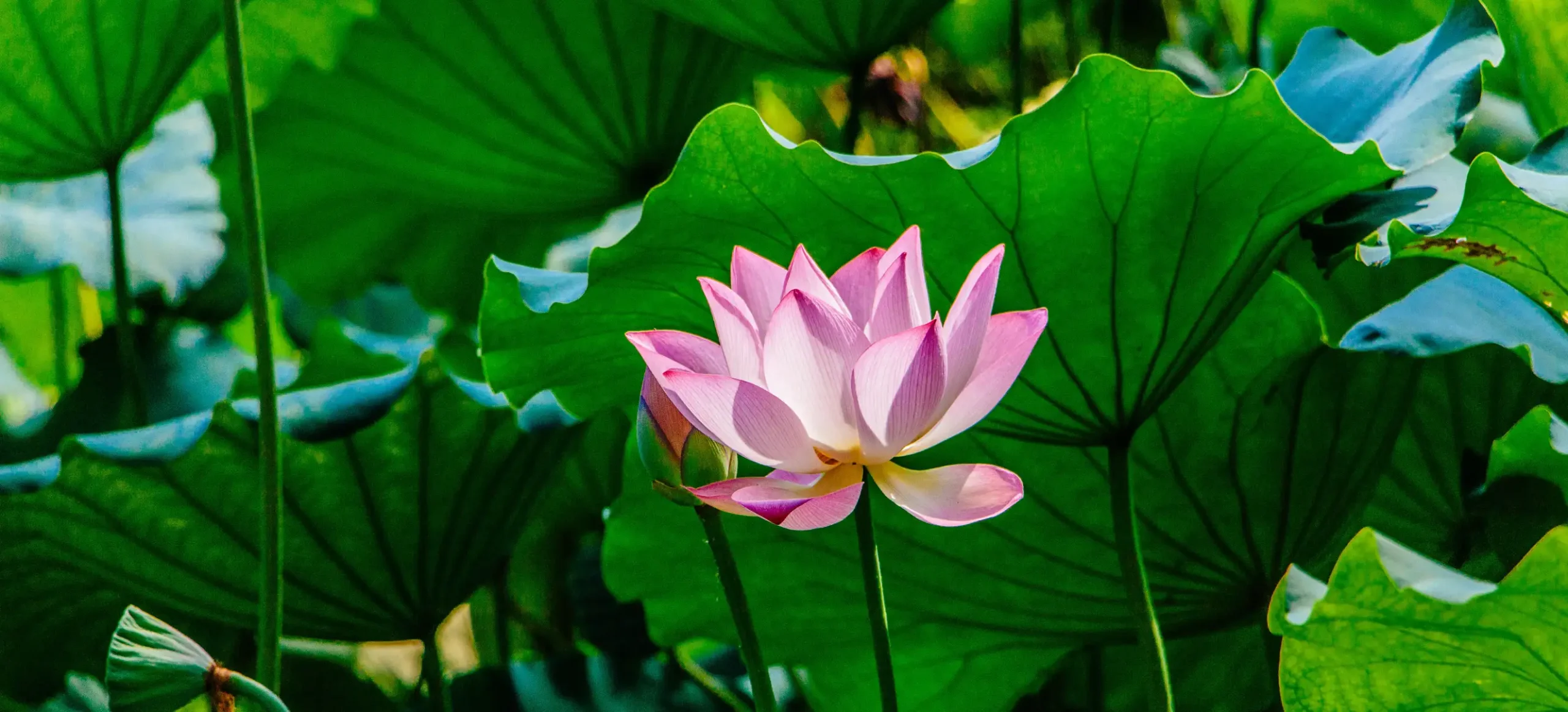
Photo Jason Sung: https://unsplash.com/es/@jasonsung
Important note (seasonal condition)
It’s worth knowing that Shinobazu Pond is not always at its best year-round. During certain times of the year—especially outside of lotus season or after maintenance periods—the water levels can drop, parts of the pond can look dry or less visually appealing, and the overall atmosphere is much quieter and less impressive.
Because of that, it may not always be worth prioritising a dedicated stop just for the pond, especially if your time in Tokyo is limited. It works best as a relaxing walk-through area rather than a main highlight on its own.
If you’re already in Ueno Park, it’s definitely worth passing by. But if you’re planning your itinerary tightly, it’s better to visit when conditions are good or combine it naturally with nearby spots.
If you want to see Shinobazu Pond at its best, plan your visit between late June and September, when the lotus flowers fully cover the water. Outside of this season, the pond can look quite bare and is better as a quick walk rather than a main highlight.
Discover Kaneiji Temple
Hidden within the park area, Kaneiji Temple is one of the most historically important temples in Tokyo.
It’s quieter than other tourist spots, which makes it a good place to slow down a bit and enjoy a more traditional side of Ueno.
Just walk and get lost a little
One of the best things you can do in Ueno Park is honestly nothing specific.
The paths, open spaces and small corners change depending on the season, especially during cherry blossom time when the whole park transforms. Sometimes the best plan is just to walk without a map and let the area guide you.
Ueno Park Museums Guide
One of the biggest reasons to visit **Ueno Park is that it’s not just a green space—it’s also one of the most important museum districts in Tokyo. If you enjoy culture, history or science, this area can easily take up half a day or more.
The museums here are all within walking distance, which makes it very efficient compared to other parts of the city where you need to travel between attractions.
Tokyo National Museum (the must-visit)
Although we have talked about it a little earlier: The highlight of the area is the Tokyo National Museum, the oldest and most important museum in Japan.
It focuses on Japanese history and art, with incredible collections of samurai armour, ancient pottery, Buddhist sculptures and traditional textiles. It’s the best place to get a real overview of Japan’s cultural evolution in one visit.
If you only choose one museum in Ueno, this should be it.
National Museum of Nature and Science
Another strong option is the National Museum of Nature and Science.
This museum is more interactive and diverse, covering everything from dinosaurs and space exploration to Japanese natural history. It’s especially good if you’re travelling with kids or if you prefer more dynamic exhibitions compared to traditional art museums.
Ueno Royal Museum (rotating exhibitions)
The Ueno Royal Museum is smaller but interesting because it doesn’t have a permanent collection. Instead, it hosts rotating exhibitions, often focused on contemporary art, photography or special cultural events.
It’s worth checking what’s on during your visit, as the experience can change completely depending on the exhibition.
Nuki's Corner!
#Ueno’s Hidden Museum Challenge

One of the most surprising things about Ueno Park is how many museums are packed into such a small area. Beyond the well-known Tokyo National Museum or the National Museum of Nature and Science, you’ll also find smaller, more unusual spots like the Ueno Royal Museum.
But here’s the challenge: somewhere around Ueno, there’s even a museum dedicated to something you use every day… toilets.

How to choose your museums:
You don’t need to visit all of them unless you’re a museum lover. A good approach is:
- 1 museum for a short visit (1–2 hours): Tokyo National Museum
- 1 more interactive option: National Museum of Nature and Science
- Optional extra: Ueno Royal Museum if there’s a special exhibition
This way you can enjoy the cultural side of Ueno without turning your day into a marathon.
Plan your trip to Japan
Ueno Zoo: Is It Worth Visiting?
I know you're probably doing some serious math right now to decide if it's worth going to Ueno Zoo, but here's the ultimate tip: If you answer "yes" to the question "Do you have children?", then you should definitely go in.
The Ueno Zoo is Japan’s oldest zoo, located right inside Ueno Park, and it’s one of those places that splits opinion depending on what you expect from it.
Let’s be honest: this is not a huge, modern safari-style zoo. It’s relatively compact, and some enclosures feel a bit dated compared to newer zoos around the world. If your main goal is animal variety or cutting-edge animal habitats, you might find it a bit underwhelming.

Photo by Andy Holmes: https://unsplash.com/es/@andyjh07
That said, it still has one major draw: the giant pandas. They are the absolute stars of the zoo, and for many visitors this alone makes it worth the visit. You’ll often see queues just to catch a glimpse of them, especially on weekends.
Beyond the pandas, the zoo has a mix of classic animals like elephants, gorillas, and big cats, plus a smaller “petting zoo” area that’s quite popular with families. It’s an easy, relaxed visit that doesn’t require much planning.
So, is it worth it?
- Yes, if you’re already in Ueno and want a light, easy activity or you care about seeing pandas.
- Maybe not, if you’re short on time in Tokyo and prefer more modern or immersive animal experiences.
In short, Ueno Zoo is not a must-see for everyone, but it fits perfectly as a casual stop while exploring Ueno Park—especially if you don’t overhype it before going in.
Best Time to Visit Ueno Park
The best time to visit Ueno Park really depends on what you want to experience, because the park changes a lot throughout the year.
That said, there are a couple of seasons that clearly stand out.
🌸 Spring (late March – early April) – Cherry blossom season
This is the most popular time to visit Ueno Park, and for good reason.
The park becomes one of Tokyo’s top hanami spots, with hundreds of cherry trees lining the main paths. The atmosphere is lively, full of locals having picnics under the blossoms, and it feels very different from the rest of the city.
Downside: it gets extremely crowded. If you go, try early morning or late afternoon.
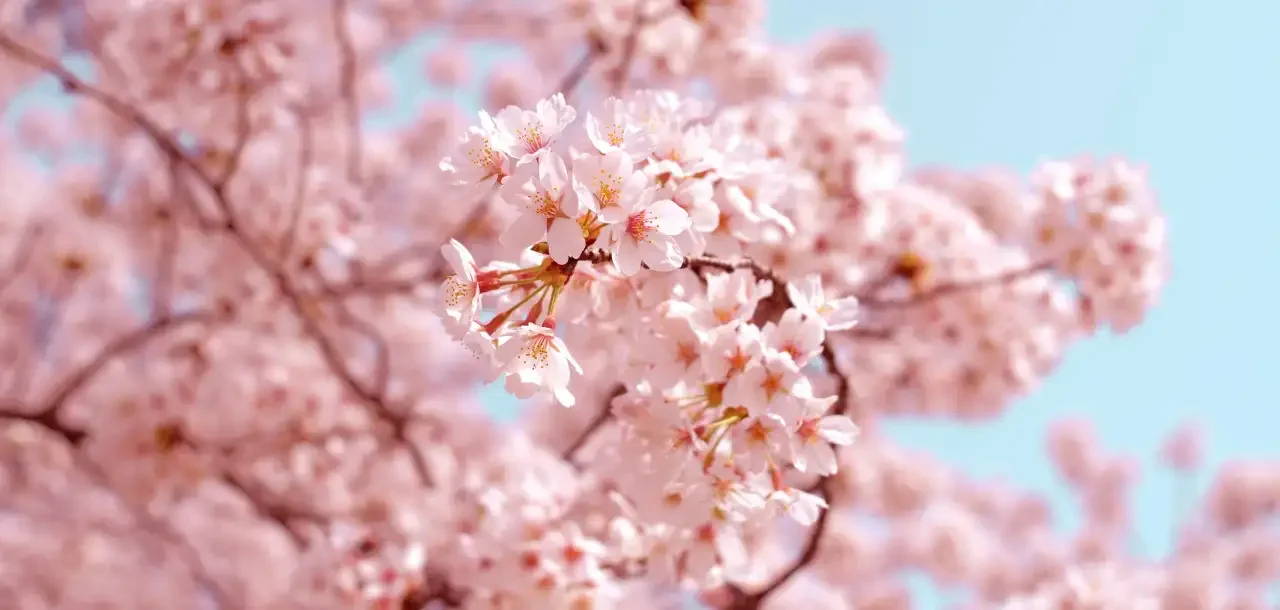
Photo by AJ: https://unsplash.com/es/@ajny
🌿 Summer (June – August) – Green and local vibes
Summer is underrated.
The park is fully green, and areas like Shinobazu Pond are at their best thanks to the lotus season. It feels more local and less touristy compared to spring.
Downside: Tokyo heat and humidity can be intense, especially in July and August.
🍁 Autumn (November) – Calm and scenic
Autumn brings cooler temperatures and some beautiful fall colors.
It’s not as famous as spring, but it’s a great time if you want a more relaxed experience without big crowds. Perfect for walking around and visiting museums.
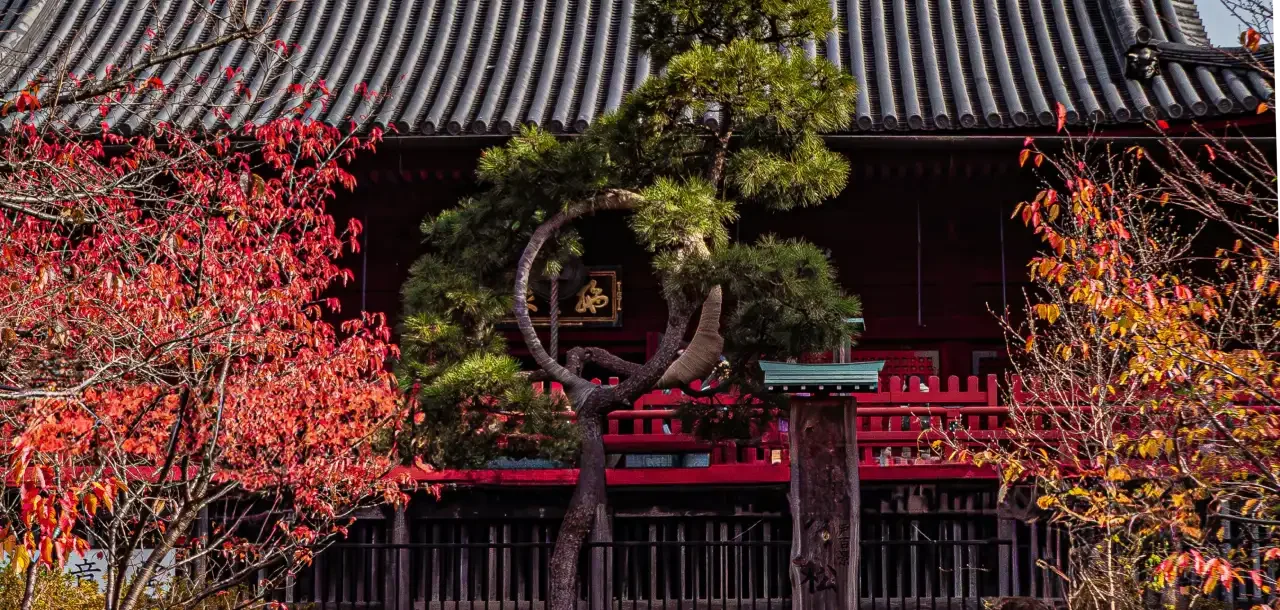
Photo by Christopher Politano: https://unsplash.com/es/@poli_graphy
❄️ Winter (December – February) – Quiet and practical
Winter is the least crowded season.
You won’t get blossoms or lush greenery, but it’s actually a great time for museums like the Tokyo National Museum, and you can explore the park without the usual crowds.
💡 So, when should you go?
- Best overall experience: late March – early April (if you don’t mind crowds)
- Best balance (less crowded): November
- Best for a relaxed cultural visit: winter
- Best for greenery and local feel: summer
In short, there’s no bad time to visit Ueno Park, but choosing the right season can completely change your experience.
How to Get to Ueno Park
Getting to Ueno Park is incredibly easy, which is one of the reasons it fits so well into almost any Tokyo itinerary.
The park is located right next to one of the city’s main transport hubs, so you won’t need to plan much in advance.
🚉 Ueno Station (main access)
The easiest way to reach the park is via Ueno Station.
This is a major station served by multiple JR lines, including:
- JR Yamanote Line (loop line connecting most of Tokyo)
- JR Keihin-Tohoku Line
- JR Ueno-Tokyo Line
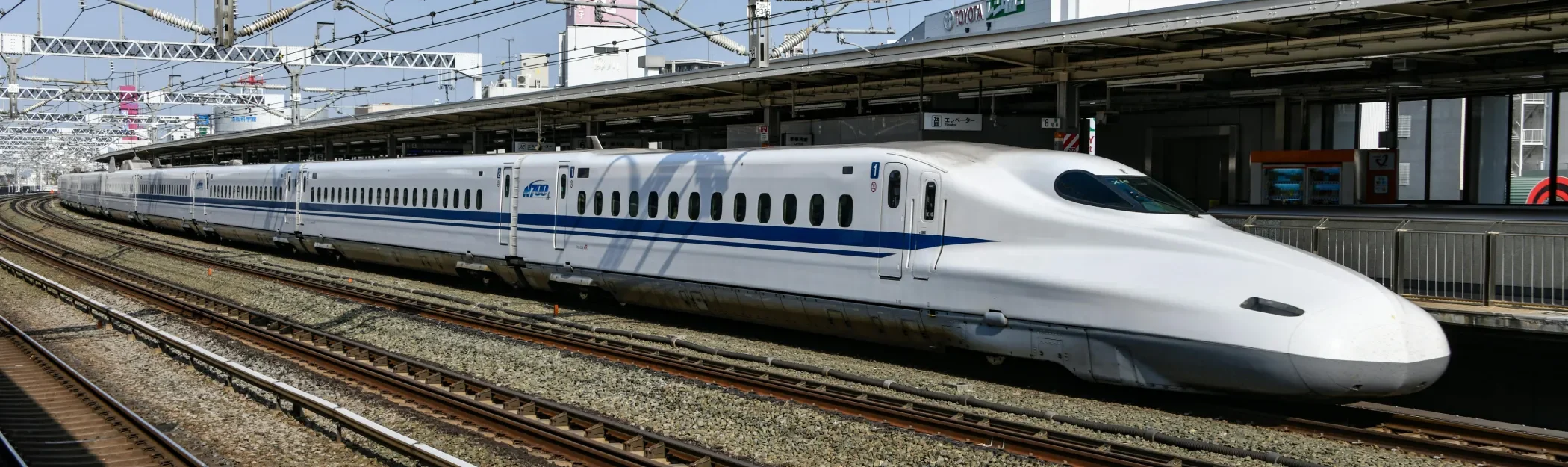
- Shinkansen (bullet trains)
Once you arrive, just follow the “Park Exit” signs, and you’ll be inside Ueno Park in less than a couple of minutes.
🚇 Keisei Ueno Station (from Narita Airport)
If you’re coming directly from the airport, Keisei Ueno Station is another great option.
It’s the final stop of the Keisei Skyliner, one of the fastest connections from Narita Airport. From there, the park is just a short walk away.
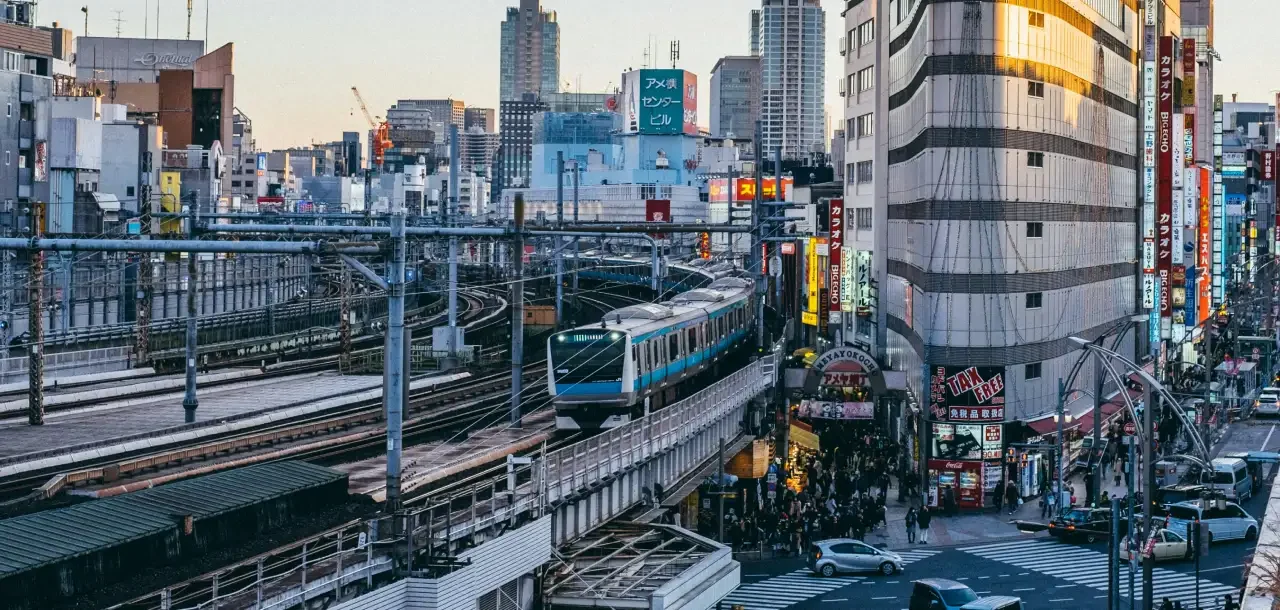
Photo by Keisuke Higashio: https://unsplash.com/es/@keisuke_h
🗺️ Good to know
- The park entrance is literally next to the station, so there’s no complicated navigation
- It’s a perfect stop to combine with nearby areas like Ameya-Yokocho (Ameyoko street market)
- You can easily include Ueno on your way between other major areas like Asakusa or Akihabara
💡 Quick tip
If you’re short on time, Ueno is one of the easiest places in Tokyo to visit without disrupting your route. You can arrive, explore a few key spots, and move on without losing half your day on transport.
Travel Tips for Visiting Ueno Park
Okay, this is obvious, but... Ueno is a park, so good weather might affect the view. Or maybe not?
Honestly, if there isn't heavy rain, it can be a very pleasant visit. Keep in mind that much of its charm lies in the museums, and seeing the lotus flowers in a gentle rain can be quite delightful.
🚶 Use it as a “slow down” stop
Tokyo can be intense, and Ueno is a great place to reset a bit.
After busy areas like Asakusa or Akihabara, spending a couple of hours here helps you keep your itinerary balanced without wasting time.
🧭 Combine it with nearby areas
One of the best things about Ueno is its location.
After visiting the park, you can easily walk to Ameya-Yokocho, a lively street market full of food, shops and local atmosphere. It’s a great contrast to the calm of the park.
⏱️ Go early if you want to avoid crowds
Ueno can get busy, especially around midday and during cherry blossom season.
If you arrive before 9:00–10:00, you’ll enjoy a much calmer atmosphere, especially around the main paths and museums.
🗺️ Don’t try to see everything
There’s a lot packed into the park: museums, zoo, temples, pond…
Trying to do it all in one visit can feel rushed. Pick 2–3 highlights max (for example: a museum + the zoo + a walk) and enjoy them properly.

Related Article
💡 Quick mindset tip
Don’t treat Ueno like a checklist of attractions. It works best when you mix structured visits (like a museum) with unplanned walking. That’s where the area really shines.
Suggested Itinerary for Ueno Park
⏱️ Option 1: Quick Visit (2–3 hours)
Perfect if you’re short on time but still want to experience the essentials.
- Start at Ueno Station and enter through the main park area
- Head straight to the Tokyo National Museum (focus on the main highlights, ~60–90 min)
- Take a relaxed walk through the park paths
- Pass by Shinobazu Pond for a quick stop
👉 This gives you a solid mix of culture + nature without rushing.
🌿 Option 2: Half-Day Plan (4–5 hours)
If you want a more complete experience without turning it into a marathon.
- Start early at Ueno Station
- Visit the Tokyo National Museum
- Explore Ueno Zoo (focus on pandas + main areas)
- Walk around Shinobazu Pond
- Optional: stop by a second museum or a temple like Kaneiji Temple
👉 This version lets you see the main highlights at a relaxed pace.
Where to Eat Near Ueno Park
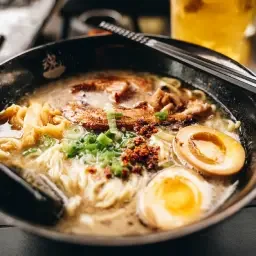
Around Ueno Park, you won’t find as many “destination restaurants” as in other parts of Tokyo—but that’s not a bad thing. This area is more about simple, local and satisfying food rather than trendy spots.
If you’re looking for something authentic and easy to fit into your day, Ueno delivers.
🍜 Ichiran (quick and reliable ramen)
Ichiran Ueno is a safe and efficient option if you want a quick ramen stop.
It’s a chain, but a very good one. You’ll get tonkotsu ramen in individual booths, which makes it perfect if you’re travelling solo or just want something fast and consistent.
👉 Ideal if you don’t want to overthink it.
🥟 Gyoza no Ohsho (casual and local feel)
For something more casual, Gyoza no Ohsho Ueno is a great choice.
It’s known for its gyoza and simple Chinese-Japanese dishes. Cheap, fast and very local—this is the kind of place where you’ll see salarymen grabbing a quick meal.
Ameya-Yokocho street food
Just a few steps from Ueno Park, you’ll find Ameya-Yokocho, one of the most chaotic and energetic streets in Tokyo.
At first glance, it feels completely different from the calm of the park. Narrow alleys, loud vendors, food stalls, small restaurants packed side by side, and constant movement give it a very local and slightly chaotic atmosphere.
🍜 From post-war market to local hotspot
Ameyoko originally developed after World War II, when it became a black market area. Over time, it evolved into a legal street market, but it kept that messy, lively structure that makes it so unique today.
That mix of history and everyday life is part of what makes it interesting—it doesn’t feel designed for tourists, even though tourists definitely end up there.
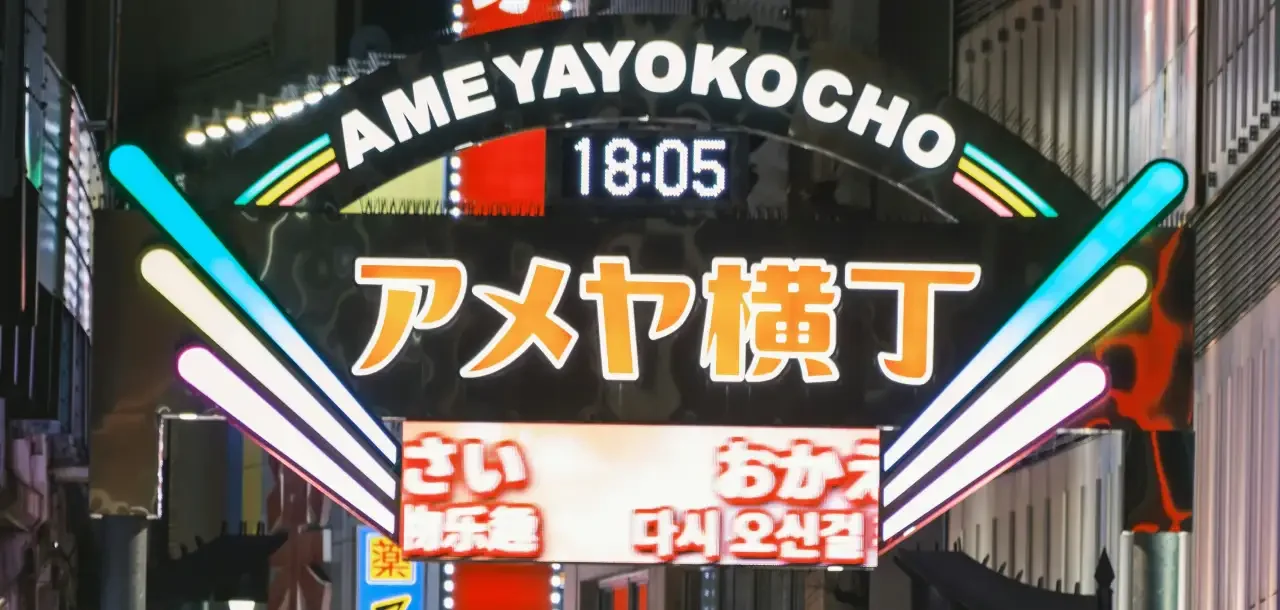
Photo by Nichika Sakurai: https://unsplash.com/es/@nichiyoshi
🐟 What you’ll find there
Walking through Ameyoko, you’ll see:
- Fresh seafood stalls
- Street food (yakitori, takoyaki, grilled snacks)
- Small ramen and izakaya-style restaurants
- Cheap fashion and random shops stacked closely together
It’s not about “where to go”, but more about walking, looking and stopping wherever looks good.
Ameya-Yokocho works really well as a contrast after visiting the park.
You go from the calm of Ueno Park and places like Shinobazu Pond to a completely different rhythm—loud, dense and full of energy.
It’s also one of the best places in the area to grab a casual meal without planning anything in advance.