Higashiyama Kyoto: Complete Guide to Temples, Streets & Traditional Atmosphere
Overview of Higashiyama
Higashiyama is one of Kyoto’s most atmospheric and historically rich districts, stretching along the eastern foothills of the city. It represents a preserved slice of old Kyoto, where narrow stone-paved streets, wooden townhouses, and centuries-old temples still define the landscape. Walking through Higashiyama feels like stepping back in time, especially in contrast to the modern city just a few minutes away.
This area has long been a center of Japanese culture, spirituality, and traditional craftsmanship, shaped by its proximity to some of Kyoto’s most important temples and shrines. Rather than a single attraction, Higashiyama is a connected cultural landscape, where each street naturally leads to another landmark, viewpoint, or hidden alley.
Today, Higashiyama remains one of the best places in Kyoto to experience a slow, immersive walk through history, combining iconic sites, quiet residential corners, tea houses, and preserved commercial streets that still reflect the rhythm of traditional Japan.
Why Higashiyama is Kyoto’s Most Iconic District
Higashiyama stands out as Kyoto’s most iconic district because it concentrates, in a relatively compact area, many of the elements that define the city’s historical and cultural identity. Here, temples, shrines, traditional streets, and preserved wooden architecture are not isolated attractions but part of a continuous urban landscape that still feels deeply authentic.
Unlike other parts of Kyoto that are either more modern or more spread out, Higashiyama offers a rare sense of cohesion. You can walk through centuries of history in a single route, moving naturally from spiritual sites to merchant streets, from quiet alleys to some of the city’s most photographed viewpoints. This density of experiences makes it one of the most rewarding areas to explore on foot.
Its location along the eastern hills also adds a distinctive character. The gentle slopes create natural viewpoints over the city, while the surrounding hills reinforce a feeling of separation from modern urban life.
Combined with its preserved atmosphere, this gives Higashiyama a sense of being both part of Kyoto and slightly removed from it, which is a key reason why it remains so memorable for visitors.
Key Areas within Higashiyama
Higashiyama is not a single uniform district, but rather a collection of interconnected sub-areas, each with its own character and rhythm. Understanding these key zones helps make sense of the district and allows you to experience it in a more structured and meaningful way, rather than just moving between isolated landmarks.
The most famous section is the area around Kiyomizu-dera and the surrounding hillside streets, where some of Kyoto’s most iconic views and traditional wooden streets can be found. Here, the landscape is defined by steep slopes, narrow lanes, and a dense concentration of temples, shops, and historic pathways that naturally guide the flow of visitors.
Further down, the Sannenzaka and Ninenzaka streets form one of the most recognizable walking routes in Kyoto. These preserved stone-paved streets are lined with traditional buildings, small shops, and tea houses, creating a continuous atmosphere of old Kyoto that connects directly toward the Kiyomizu-dera approach.
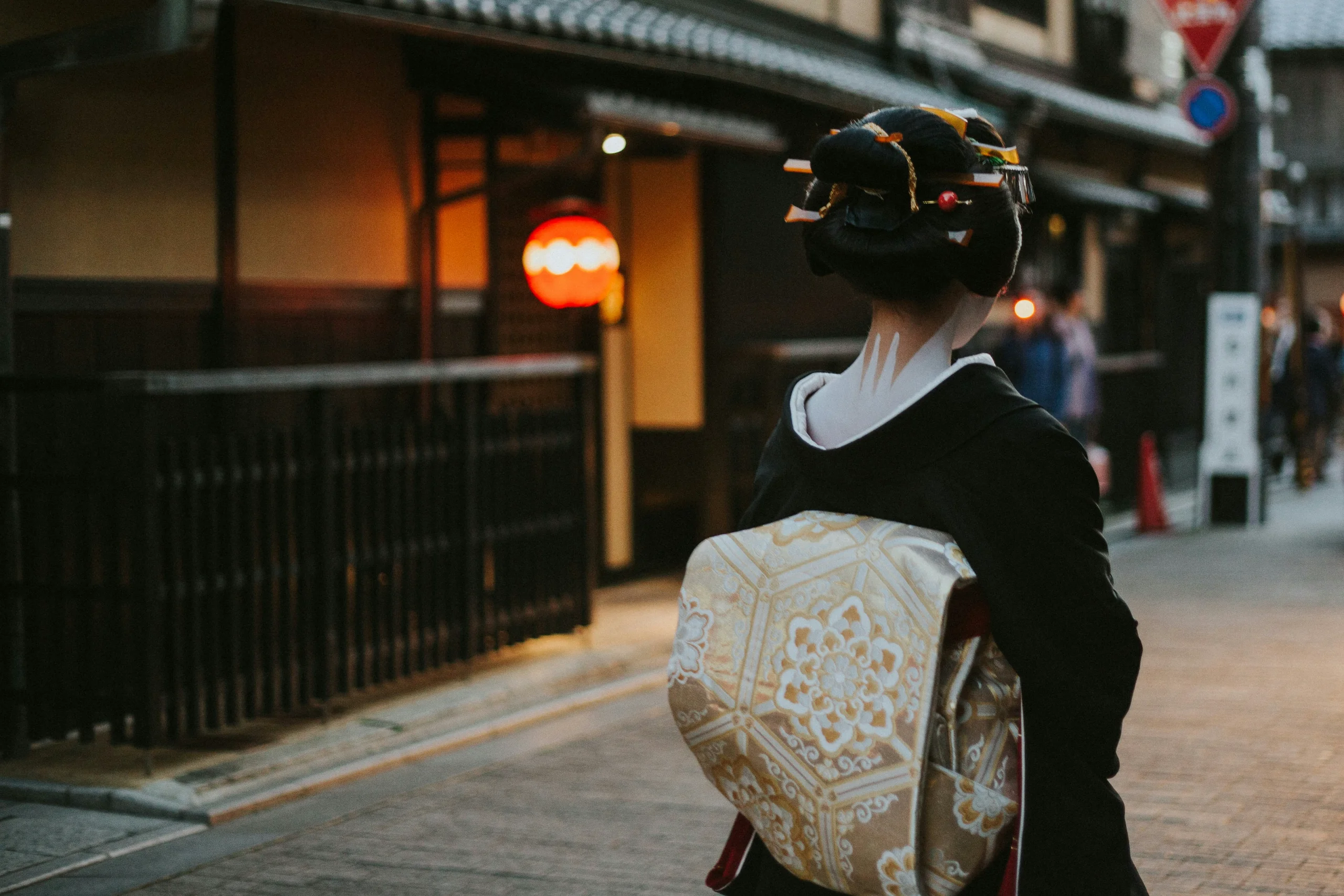
To the south, the Gion edge of Higashiyama blends into Kyoto’s geisha district, where the atmosphere shifts slightly toward evening culture, lantern-lit streets, and traditional entertainment quarters. This transition area acts as a bridge between Higashiyama’s temple-focused identity and the more urban cultural life of central Kyoto.
Together, these areas form a layered experience where each section naturally flows into the next, allowing Higashiyama to be explored as a single continuous journey rather than separate points on a map.
Temples & Shrines in Higashiyama
Higashiyama is home to some of Kyoto’s most important and spiritually significant temples and shrines, many of which have shaped both the history and the visual identity of the district. Rather than being isolated landmarks, they are woven into the landscape, often connected by walking paths, hillside roads, and traditional streets that enhance the sense of continuity across the area.
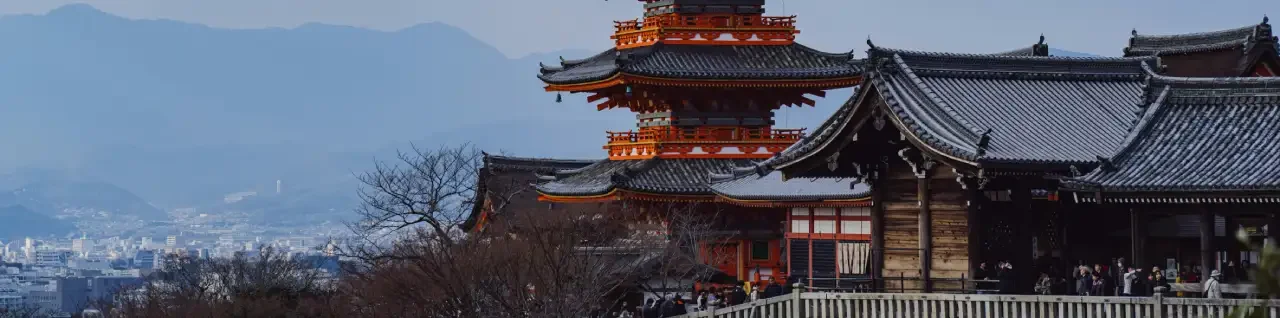
One of the most iconic is Kiyomizu-dera, a UNESCO World Heritage temple known for its vast wooden stage overlooking Kyoto. It is not only a religious site but also one of the most recognizable viewpoints in Japan, especially during cherry blossom and autumn seasons when the surrounding hills transform in color. Its long history and elevated position make it a natural focal point of Higashiyama.
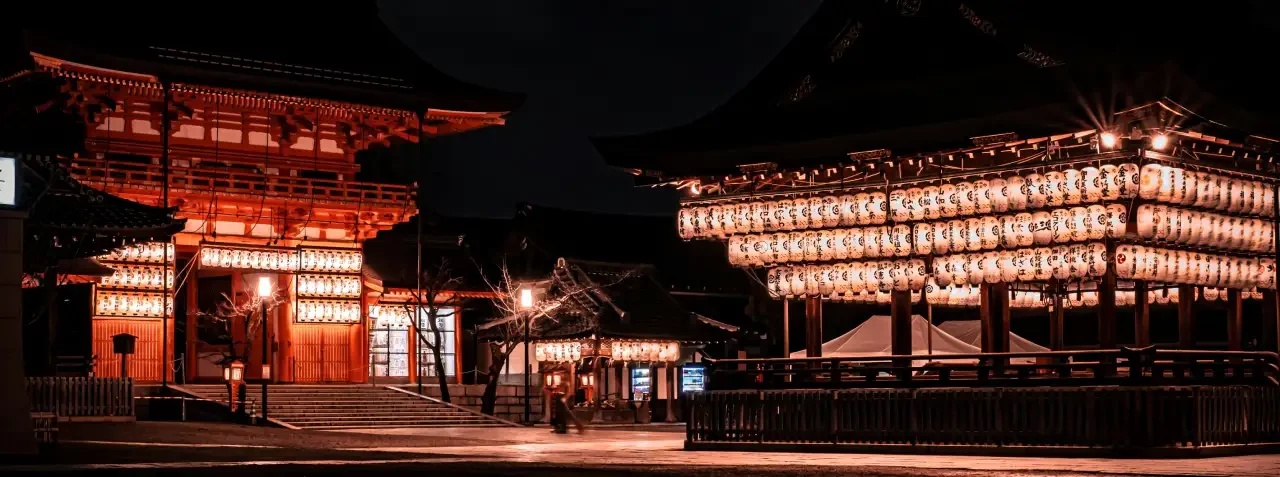
Photo by LIM ENG: https://unsplash.com/@shadoweng93
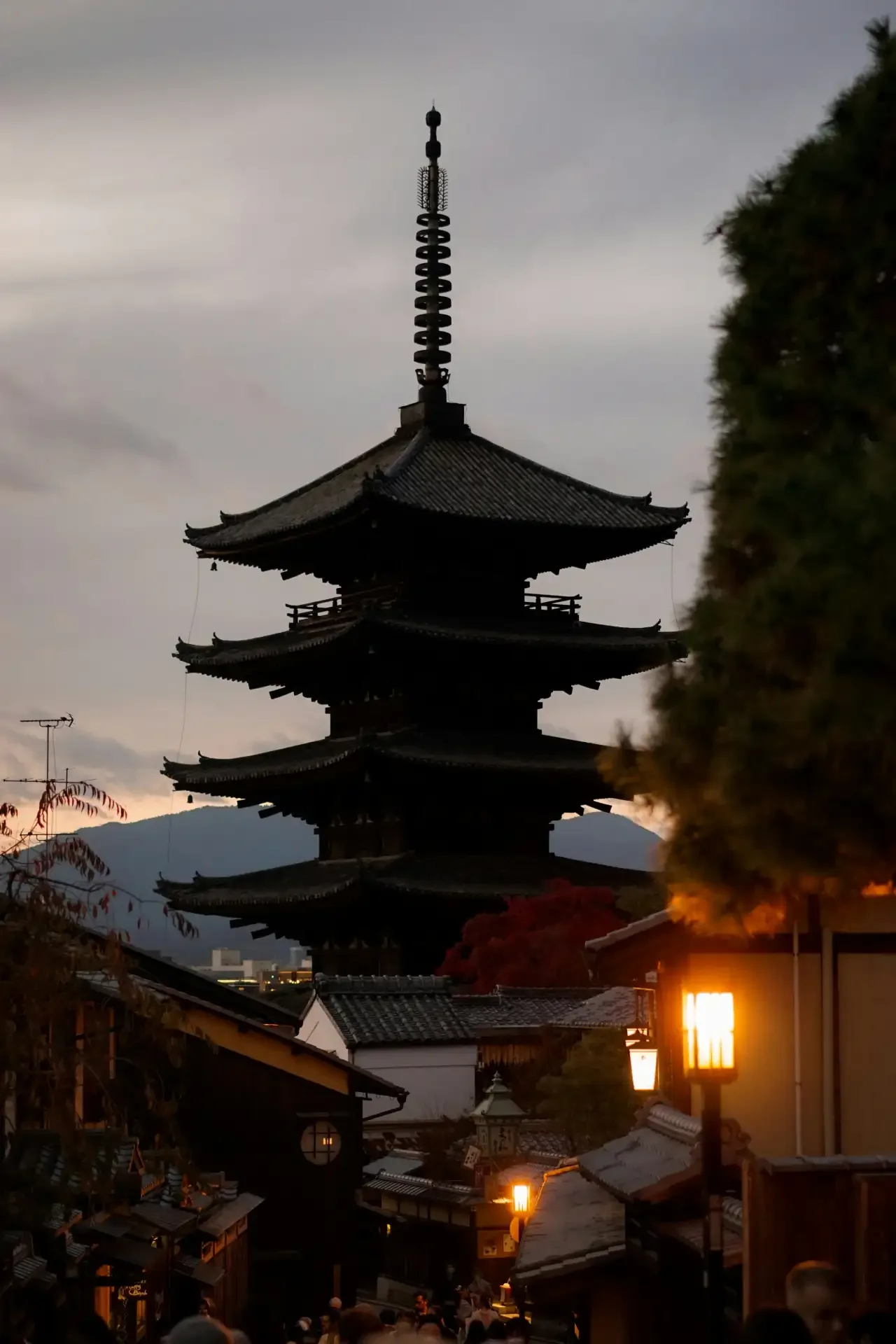
Nearby, Yasaka Pagoda (Hōkan-ji) stands as one of the most photographed structures in Kyoto. Rising above the surrounding traditional streets, it creates a striking contrast between architectural elegance and the preserved wooden townscape that surrounds it. This area is especially atmospheric in the early morning or late evening when the streets are quieter.

Related Article
At the northern edge of the district, Yasaka Shrine connects Higashiyama with the Gion area and plays a central role in Kyoto’s festival culture, including the famous Gion Matsuri. Its large vermilion gate and open shrine grounds offer a different experience compared to the more enclosed temple environments deeper in the hills.
Further east, smaller but highly meaningful sites like Kodai-ji and Yasui Konpiragu Shrine add depth to the district’s spiritual landscape. These places are often less crowded, offering quieter moments that contrast with the more visited landmarks while still preserving the same historical and cultural richness that defines Higashiyama as a whole.
Historic Streets & Traditional Walks
One of the defining experiences of Higashiyama is simply walking through its historic streets, where the district’s atmosphere becomes as important as its individual landmarks. Here, the urban fabric itself is preserved, with stone-paved slopes, wooden townhouses, and narrow pedestrian lanes that create a continuous sense of old Kyoto rather than a collection of separate sights.
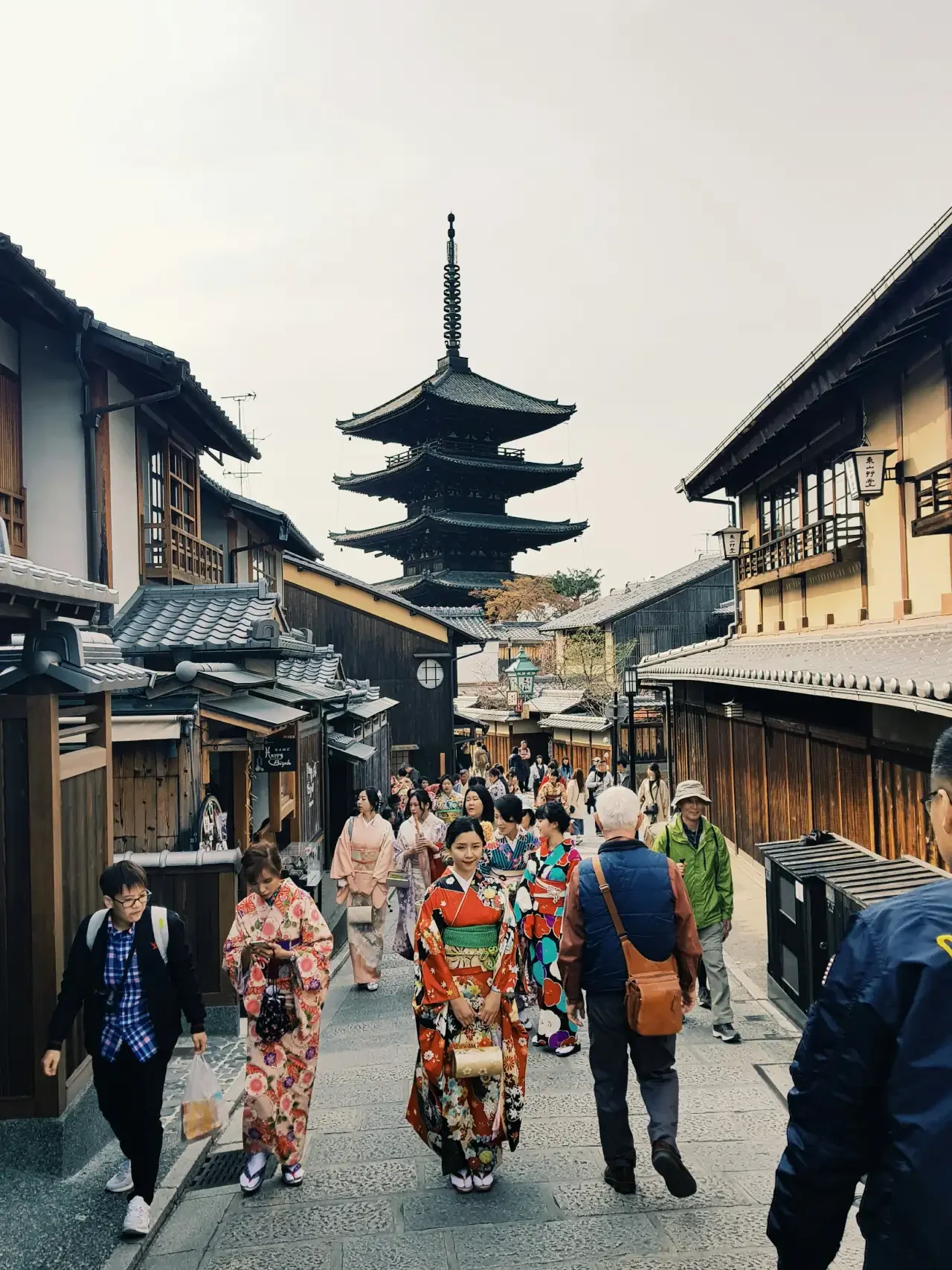
The most iconic walking routes are Sannenzaka and Ninenzaka, two gently sloping streets that lead toward Kiyomizu-dera. These paths are carefully preserved to maintain their traditional appearance, with tiled roofs, wooden façades, and small local shops blending into the historical setting. Walking here is less about destination and more about rhythm, as every turn reveals another layer of detail in the architecture and street life.
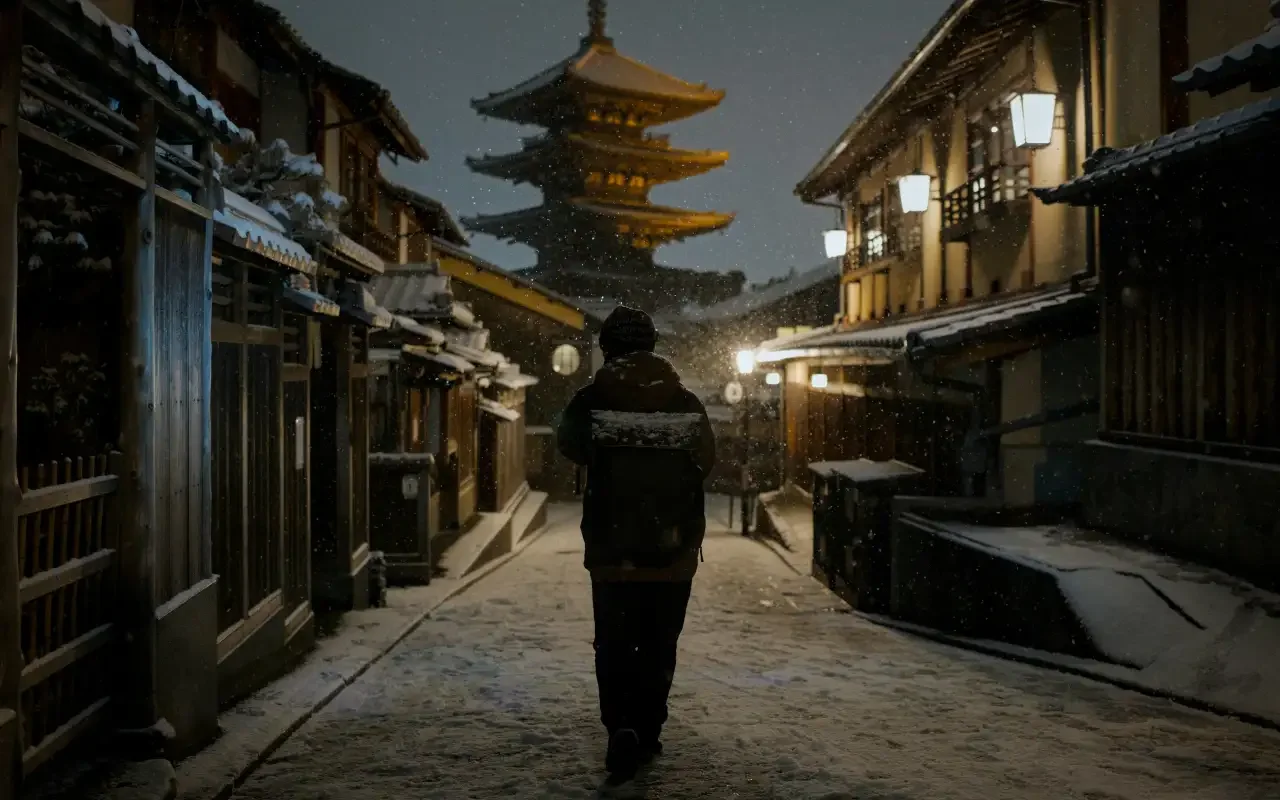
Photo by Julien: https://unsplash.com/@domsson
From these main streets, smaller alleys branch off into quieter residential pockets where the atmosphere becomes more intimate. These side paths often reveal hidden temples, small artisan shops, and traditional homes, offering a more personal view of Higashiyama beyond the main tourist flow.
As you move closer to the Gion side, the streets gradually shift in character. Lanterns, tea houses, and preserved merchant buildings begin to appear more frequently, creating a seamless transition between Higashiyama’s temple district and Kyoto’s historic entertainment quarter. This continuity of atmosphere is what makes walking here so distinctive, as the entire district feels like one uninterrupted cultural experience rather than separate zones.
Atmosphere & What Makes It Unique
Higashiyama’s atmosphere is defined by a rare balance between preservation, spirituality, and everyday life, creating a sense of continuity that is increasingly difficult to find in modern cities. What makes it unique is not a single landmark, but the way history is still present in the texture of the streets, buildings, and daily rhythm of the area.
Unlike museum-like historic districts, Higashiyama remains lived-in. Small shops, traditional inns, family-run tea houses, and local residences coexist with temples and shrines, giving the area a feeling of authenticity rather than reconstruction. This creates an environment where cultural heritage is not just displayed, but still actively used and experienced.
The visual identity of the district also plays a key role in its atmosphere. Narrow stone paths, wooden facades, and softly curved rooftops form a consistent aesthetic that changes subtly with the light of the day.
Early mornings feel calm and almost empty, while evenings bring a warm glow from lanterns and shopfronts that enhances the sense of timelessness.
Another defining element is the contrast between movement and stillness. While certain streets can be lively with visitors, just a few steps away you can find quiet temple grounds or hidden alleys where the noise fades completely. This constant shift between energy and silence gives Higashiyama a layered character, where different versions of Kyoto coexist within the same walkable space.
Suggested Walking Route
A visit to Higashiyama works best when experienced as a continuous walk rather than a set of isolated stops. The district naturally lends itself to a north to south route that follows its historic slope, allowing you to move through its key areas in a way that feels organic and connected.
A classic starting point is the approach toward Kiyomizu-dera, entering through the upper sections of the district where the atmosphere is already steeped in history. From here, the path leads down through the temple grounds and gradually into the surrounding hillside streets, where the density of traditional buildings and small shops begins to increase.
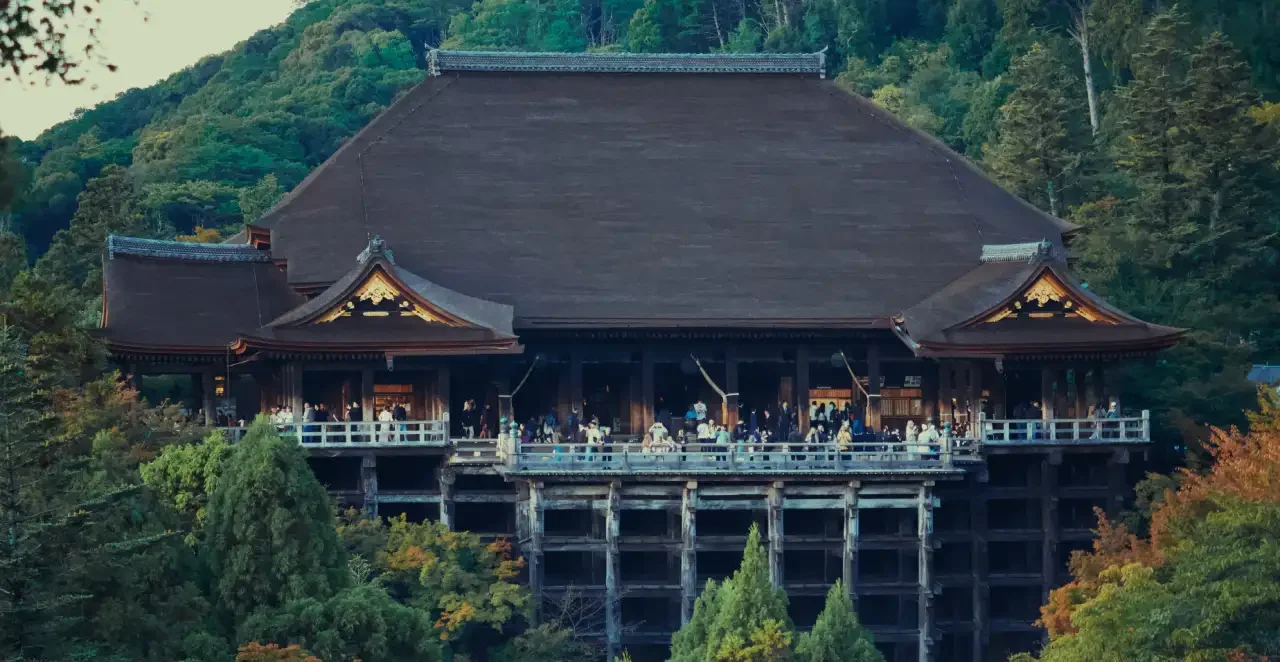
Photo by Mahesh Ranaweera: https://unsplash.com/@mahesh_ranaweera
Continuing downhill, you naturally reach the iconic Sannenzaka and Ninenzaka streets, which act as the backbone of the walking experience. This section is ideal for slowing down, exploring side alleys, and observing the details of preserved wooden architecture, with frequent opportunities to pause at tea houses or small artisan shops along the way.
From there, the route can extend toward the Yasaka Pagoda area, where the visual focus shifts to one of Kyoto’s most photographed landmarks. The surrounding streets offer some of the most atmospheric views in the district, especially when light filters through the narrow lanes and highlights the contrast between the pagoda and the traditional townscape.
The walk can then continue naturally toward the Gion edge of Higashiyama, where the environment gradually transitions into Kyoto’s historic geisha district. This final stretch feels like a soft ending to the route, as the energy of the streets changes and the district blends into a different but connected cultural landscape.
Overall, the suggested route is not about covering distance, but about following the natural flow of Higashiyama itself. The district is designed to be experienced step by step, where each section leads gently into the next, creating a complete and cohesive journey through Kyoto’s historic heart.
Plan your trip to Japan

Best Time to Visit Higashiyama
Higashiyama can be visited throughout the year, but the experience changes significantly depending on the season, and this variation is part of what makes the district feel so dynamic despite its historical character. Because the area is defined by walking, atmosphere, and natural light, timing your visit has a strong impact on how the streets, temples, and viewpoints are perceived.
Spring is one of the most popular times, when cherry blossoms frame the temple grounds and hillside paths, adding a soft contrast to the wooden architecture. During this period, Higashiyama feels especially alive, with a balance between natural beauty and cultural landmarks that makes the walking routes particularly memorable.
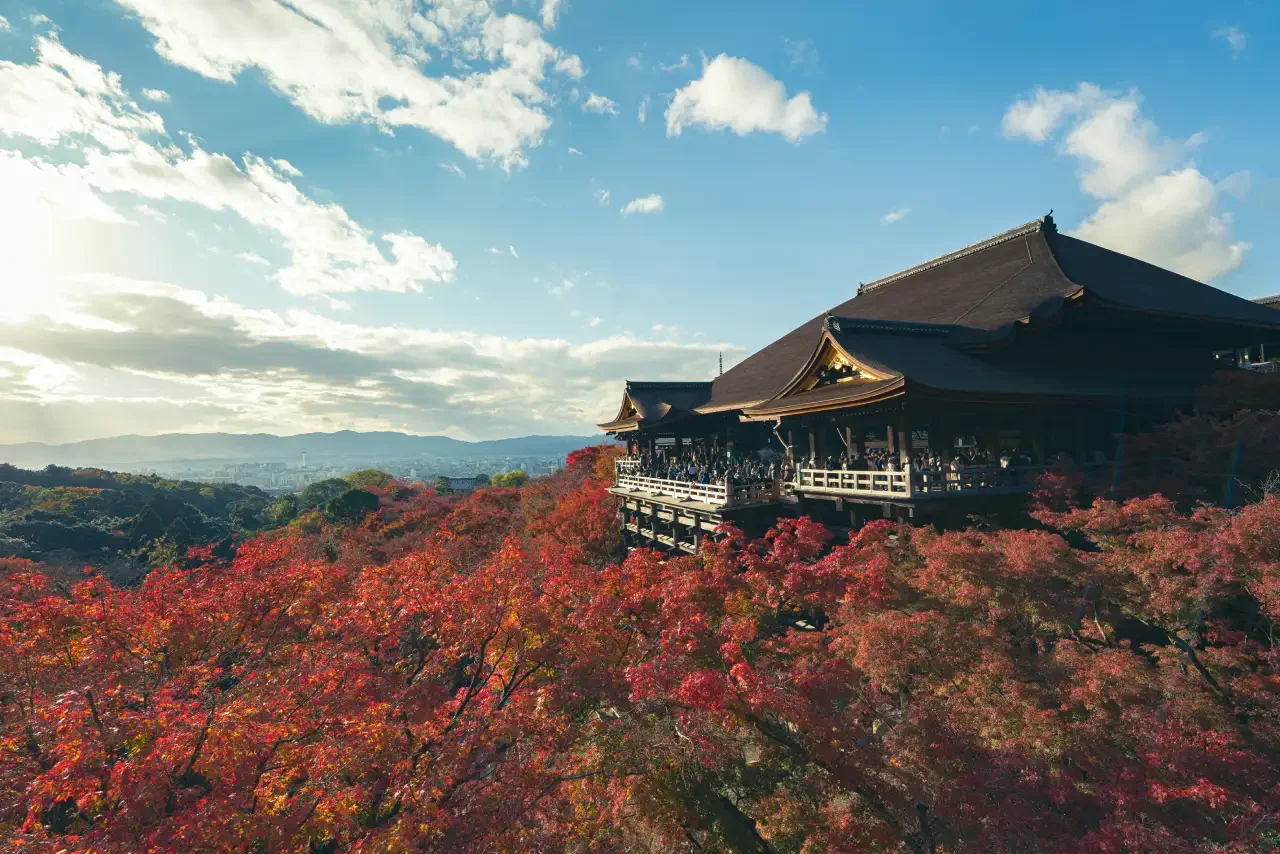
Photo by Ritz: https://unsplash.com/@rithay
Autumn is equally remarkable, as the surrounding hills turn into deep shades of red and orange. The combination of autumn foliage, traditional streets, and elevated viewpoints from temples like Kiyomizu-dera creates some of the most iconic scenes in Kyoto. This is also the season where the district’s layered landscape feels most visually cohesive.
Early mornings are the best time of day regardless of season. The streets are quieter, the light is softer, and the atmosphere feels closer to what Higashiyama would have been like in the past. This is when the district’s stillness and preserved character are most noticeable, especially in areas like Sannenzaka and Ninenzaka before the crowds arrive.
Late afternoon and sunset also offer a strong experience, as the warm light enhances the wooden façades and stone paths, gradually transitioning into a more intimate atmosphere as lanterns begin to appear. This shift reinforces the sense of continuity between daytime exploration and evening ambiance, especially near the Gion edge of the district.
Overall, the best time to visit Higashiyama is less about a specific moment and more about aligning with the natural rhythm of the area. Choosing the right season and time of day simply amplifies what the district already offers: a slow, immersive walk through one of Kyoto’s most atmospheric landscapes.
How to Get There
Higashiyama is one of the most accessible historic districts in Kyoto, and part of its appeal is that it can be reached easily from several major transport hubs, making it a natural addition to almost any itinerary in the city. Despite its traditional atmosphere, it is very well connected to modern public transport.
The most common access point is via Kyoto Station, from where you can take the Kyoto City Subway or buses toward the eastern part of the city. A convenient option is the subway to Gion-Shijo Station, followed by a short walk into the southern edge of Higashiyama. This route naturally brings you closer to the Gion side of the district, allowing you to begin your visit in a more gradual transition into the historic streets.
Another highly practical option is reaching Kiyomizu-Gojo Station on the Keihan Line. From here, it is a direct uphill walk into the heart of Higashiyama, leading naturally toward the Sannenzaka and Kiyomizu-dera area. This approach is especially suitable if you want to experience the district from top to bottom, following its natural slope.
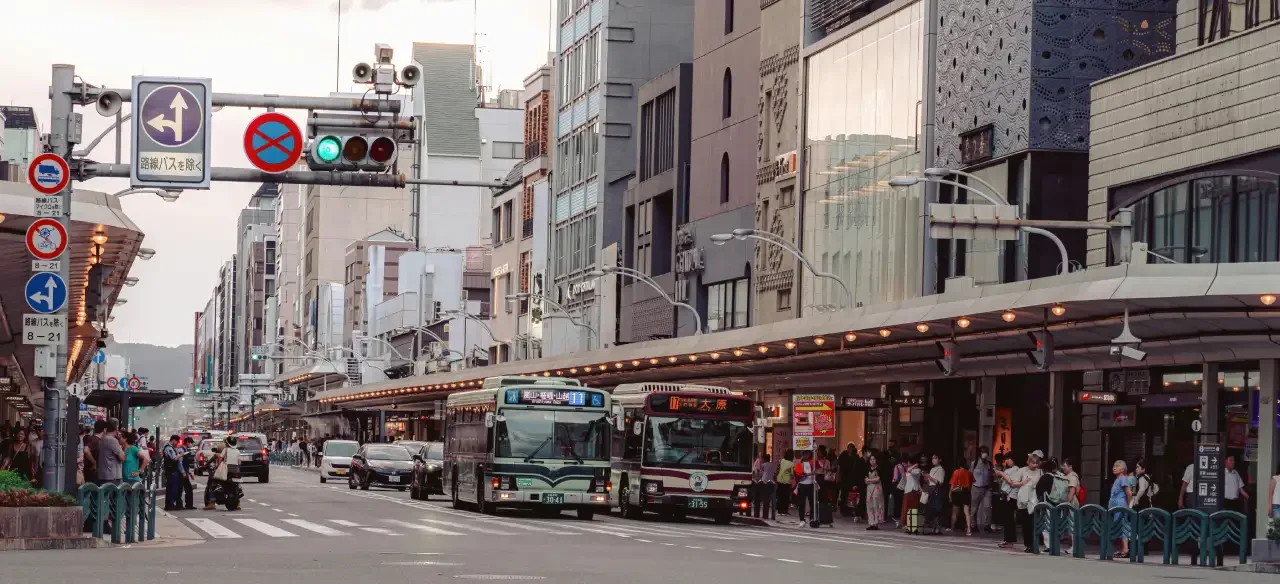
Photo by Ritz: https://unsplash.com/@rithay
You can also access the area via bus routes from central Kyoto, which stop near key entry points such as Kiyomizu-dera or Yasaka Shrine. While buses can be slightly slower depending on traffic, they are useful for direct access without transfers.
Once inside Higashiyama, the best way to move around is on foot. The district is designed for walking, with connected streets, pedestrian slopes, and narrow lanes that gradually link temples, viewpoints, and traditional neighborhoods. Public transport is mainly for arrival and departure, while the real experience begins once you start exploring step by step through its historic paths.
Nearby Areas & Connections
Higashiyama does not exist in isolation, and one of its strengths is how naturally it connects with some of Kyoto’s most important cultural districts. This continuity allows you to extend your walk beyond a single area and experience a broader historical landscape without breaking the flow of the journey.
To the north, Higashiyama gradually blends into Gion, Kyoto’s famous geisha district. This transition is almost seamless, moving from temple-focused streets into lantern-lit alleys, traditional wooden machiya, and tea houses. Gion adds a more atmospheric, evening-oriented character to the experience, especially around Hanamikoji Street and the surrounding lanes.
Related Article
Further west, you reach Kawaramachi, which represents a shift toward a more modern and commercial side of Kyoto. This contrast is important, as it highlights how close Higashiyama is to the city’s contemporary core while still maintaining its historical identity. The transition between these two worlds happens within a short walking distance.
To the east and slightly uphill, the district connects with quieter residential slopes and temple clusters that extend toward the foothills, offering a more reflective and less crowded extension of the Higashiyama experience. These areas feel more local and are ideal for those who want to move away from the main tourist flow while staying within the same cultural environment.
Together, these connections make Higashiyama a central node in Kyoto’s historic fabric. Rather than being a standalone destination, it acts as a bridge between Kyoto’s most traditional, cultural, and modern districts, allowing visitors to naturally expand their journey depending on time and interest.
Trinuki Travel Tips
Higashiyama is best experienced slowly, and the way you approach the visit has a big impact on how much you get out of it. Rather than treating it as a list of sights, it works better as a continuous walking experience where atmosphere is the main attraction. Planning with this mindset makes the district feel more natural and less rushed.
One of the most important tips is to arrive early. Before mid-morning, the streets around Sannenzaka, Ninenzaka, and Kiyomizu-dera are significantly quieter, allowing you to experience the area in a more authentic way. This early window is when the traditional architecture, stone paths, and hillside views feel most immersive, without the density of tour groups.
It is also worth allowing extra time for side streets. Some of the most interesting moments in Higashiyama are not on the main routes but in the smaller alleys that branch off unexpectedly. These often lead to hidden temples, small artisan shops, or quiet residential corners that add depth to the experience beyond the main landmarks.
Comfortable walking shoes are essential, as the district includes a mix of slopes, stairs, and uneven stone paths. Higashiyama is compact but physically active, and moving between its key areas naturally involves constant elevation changes.
Finally, it helps to avoid rushing between points of interest. The value of Higashiyama comes from its continuity, not its speed. Letting time stretch between stops allows you to notice the transitions between temples, streets, and viewpoints, which is what gives the district its unique sense of cohesion and atmosphere.
Related articles

Plan your trip
Related places
Kiyomizu-dera
Temple
Historic UNESCO-listed temple in Kyoto famous for its massive wooden terrace, traditional atmosphere, and panoramic views over the city.
Yasaka Shrine
Shrine
One of Kyoto’s most iconic Shinto shrines, located in the heart of Gion. Famous for its lanterns, seasonal festivals, and vibrant spiritual atmosphere.
Ninenzaka Street
Historic Site
Ninenzaka Street is one of Kyoto’s most atmospheric preserved streets, gently sloping toward Kiyomizu-dera. Lined with traditional wooden townhouses, teahous…