Hakone from Tokyo: The Perfect Day Trip or Relaxing Onsen Night
What is Hakone?
Hakone is a mountain area located within Fuji-Hakone-Izu National Park, just over an hour from Tokyo. Despite its proximity to the city, it feels like a completely different world: quieter, slower, and surrounded by nature.
It’s not a single town, but rather a collection of small areas spread across valleys, lakes, and hills. Places like Hakone-Yumoto, Gora, and Lake Ashi each offer a different atmosphere, connected by scenic transport routes that are part of the experience itself.
Hakone is especially known for three things: its onsen culture, its volcanic landscape, and its views of Mount Fuji on clear days. Steam rising from the ground in places like Owakudani, traditional ryokan stays, and quiet lakeside shrines create a setting that feels distinctly Japanese.
What makes Hakone unique is how accessible all of this is. In a single day, you can move from mountain trains to ropeways, cross a lake, walk through a shrine, and end the day in a hot spring bath. It’s not just about the destinations, but the journey between them, often referred to as the Hakone Loop.
For many travelers, Hakone becomes their first experience of traditional Japan beyond the city, offering a softer, more reflective contrast to the intensity of Tokyo.
Why Visit Hakone from Tokyo?
Hakone is one of the easiest ways to experience a completely different side of Japan without going far from Tokyo. In just over an hour, the pace shifts from dense city streets to mountains, lakes, and quiet onsen towns.
One of the main reasons to visit is the contrast. After days exploring Tokyo’s neighborhoods, Hakone offers space, nature, and a slower rhythm. It’s the kind of place where the journey matters as much as the destination, whether you’re riding a mountain train, crossing a lake, or drifting above volcanic landscapes.
Hakone is also one of the best places near Tokyo to experience onsen culture. Even on a day trip, you can visit a hot spring and get a glimpse of a tradition that’s deeply rooted in Japanese life. If you stay overnight in a ryokan, the experience becomes even more memorable, combining hot springs, seasonal food, and a calm, almost meditative atmosphere.
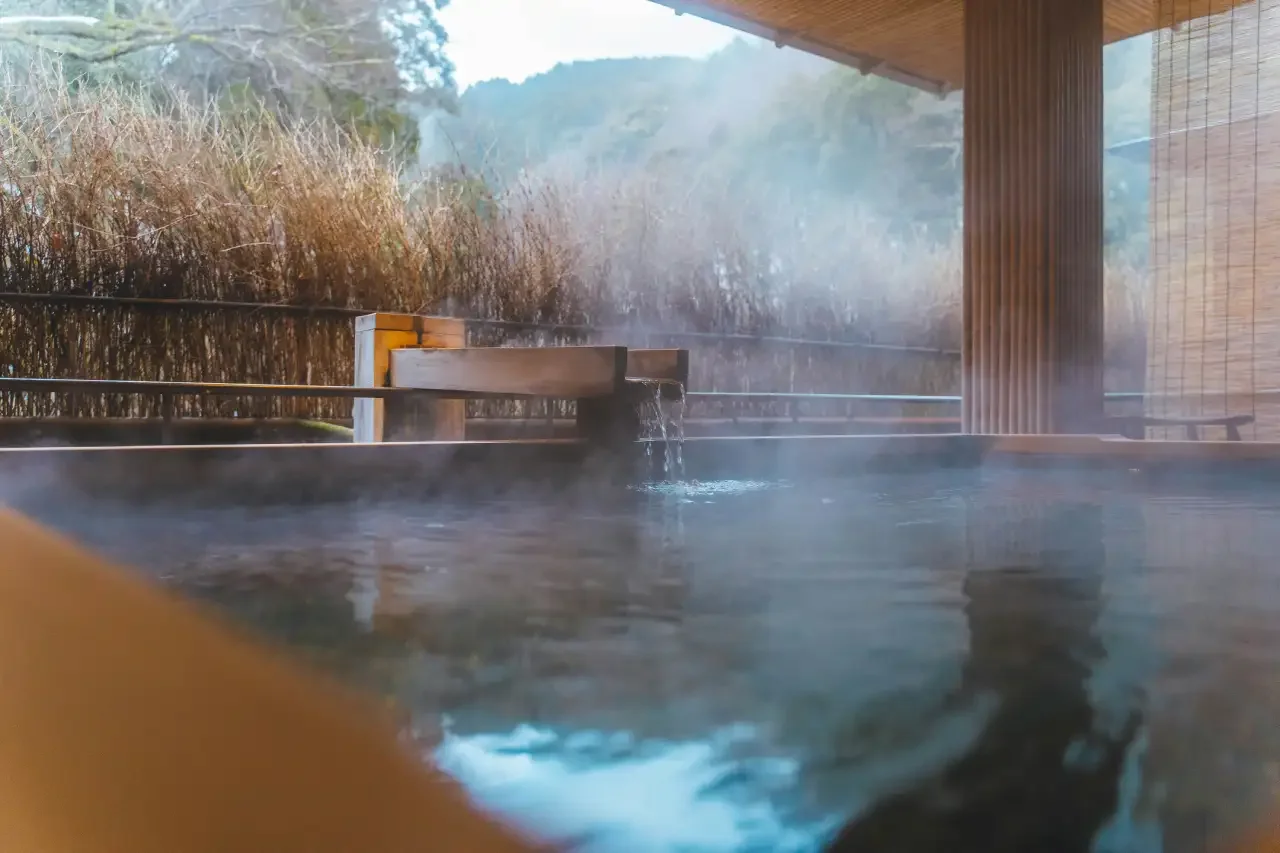
Photo by Roméo A.: https://unsplash.com/@gronemo
Another highlight is the chance to see Mount Fuji. While never guaranteed, Hakone offers some of the most accessible viewpoints of Fuji, especially around Lake Ashi. On a clear day, the view can feel almost unreal.
Compared to other day trips like Kamakura or Nikko, Hakone is less about temples and history, and more about landscape and experience. It’s ideal if you’re looking to add variety to your trip, especially if you want a mix of nature, transport, and relaxation.
In short, Hakone works because it’s easy, different, and memorable, whether you visit for a single day or decide to stay the night and slow everything down.
How to Get to Hakone from Tokyo
Getting to Hakone from Tokyo is part of what makes this destination so appealing. It’s easy, well connected, and surprisingly scenic for such a short journey.
The most popular option is the Odakyu Romancecar, a direct limited express train from Shinjuku Station to Hakone-Yumoto. The ride takes about 80–90 minutes and is designed to feel like the start of the trip, with larger windows and more comfortable seating. It’s simple, direct, and ideal if you want to avoid transfers.
Another option is using the JR lines, typically taking the Shinkansen from Tokyo Station or Shinagawa to Odawara Station. From there, you continue into Hakone using local transport. This route can be faster, but it involves at least one transfer and feels a bit less “seamless” than the Romancecar experience.
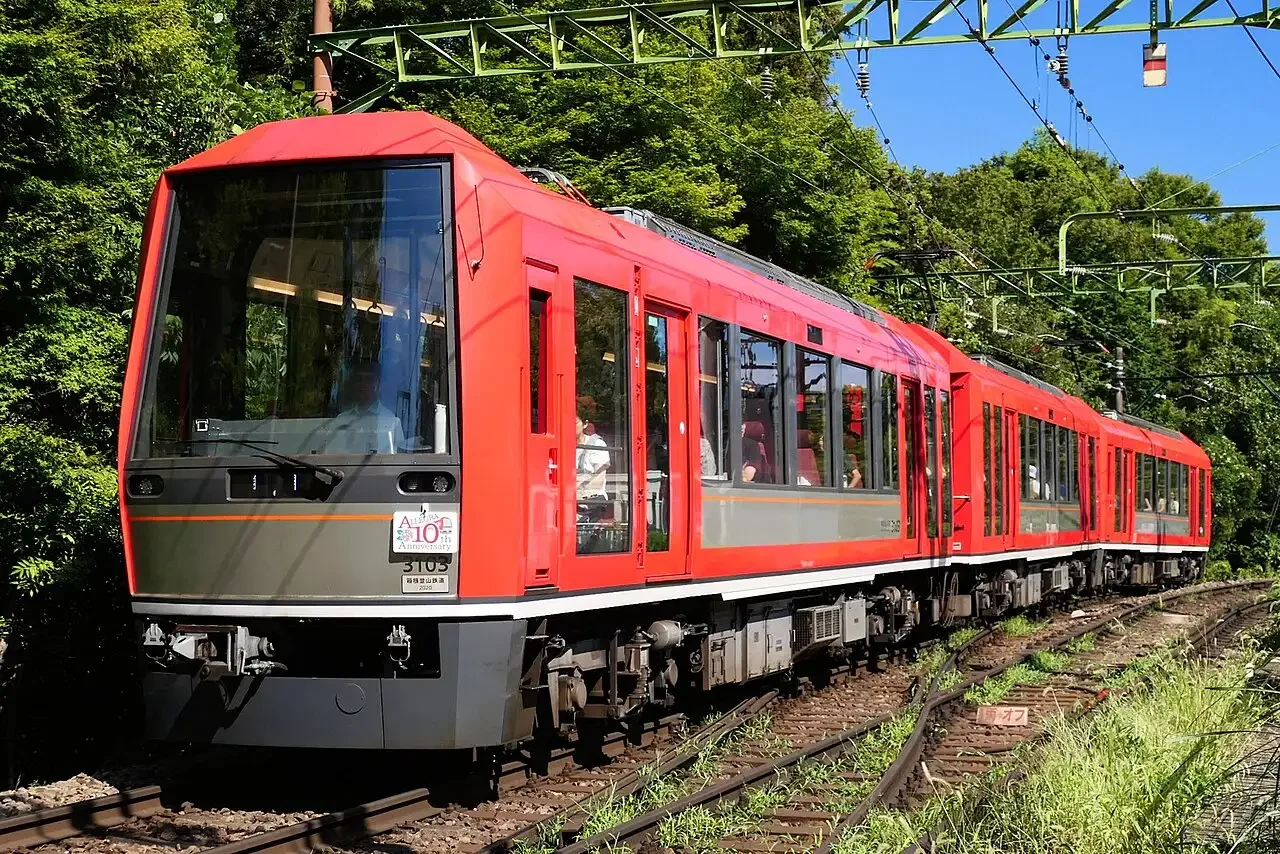
Photo by MaedaAkihiko
For most travelers, the key decision is whether to use the Hakone Free Pass. This pass, operated by Odakyu Electric Railway, includes round-trip transport from Tokyo (depending on the version) and unlimited use of local transport within Hakone. That means trains, cable cars, ropeways, buses, and even the boat across Lake Ashi are all covered.
What makes Hakone special is that getting there isn’t just about reaching a destination. Once you arrive, you’ll likely follow the famous Hakone Loop, a circular route that connects all the main highlights using different types of transport. In that sense, the journey doesn’t end in Hakone, it continues through it.
If you’re planning a day trip, the best approach is simple: leave early from Shinjuku and aim to reach Hakone-Yumoto in the morning. That way, you’ll have enough time to complete the loop at a relaxed pace without feeling rushed.
In practical terms, Hakone is one of the most accessible escapes from Tokyo, but it rewards a bit of planning. Choosing the right route and timing can make the difference between a rushed visit and a smooth, memorable experience.
Hakone Day Trip Itinerary (The Loop)
The best way to experience Hakone in a single day is by following the Hakone Loop, a circular route that connects the main highlights using different types of transport. It’s not just efficient, it’s part of the experience itself.
The loop typically starts in Hakone-Yumoto, the entry point to the region. From here, you board the mountain train that slowly climbs through the valley toward Gora. This first stretch already sets the tone, with forest views, tight switchbacks, and a gradual transition away from the city.
From Gora, you continue on the cable car up to Sounzan, where the landscape begins to feel more rugged. This is where you connect to the ropeway, one of the most memorable parts of the loop.
As the ropeway glides above the volcanic valley of Owakudani, you’ll see steam rising from the ground and a landscape shaped by geothermal activity. If conditions allow, this is also one of the first points where you might catch a glimpse of Mount Fuji in the distance.
The ropeway continues down toward Togendai, on the shores of Lake Ashi. From here, you board a sightseeing boat that crosses the lake, offering open views and, on clear days, one of the most iconic perspectives of Fuji.
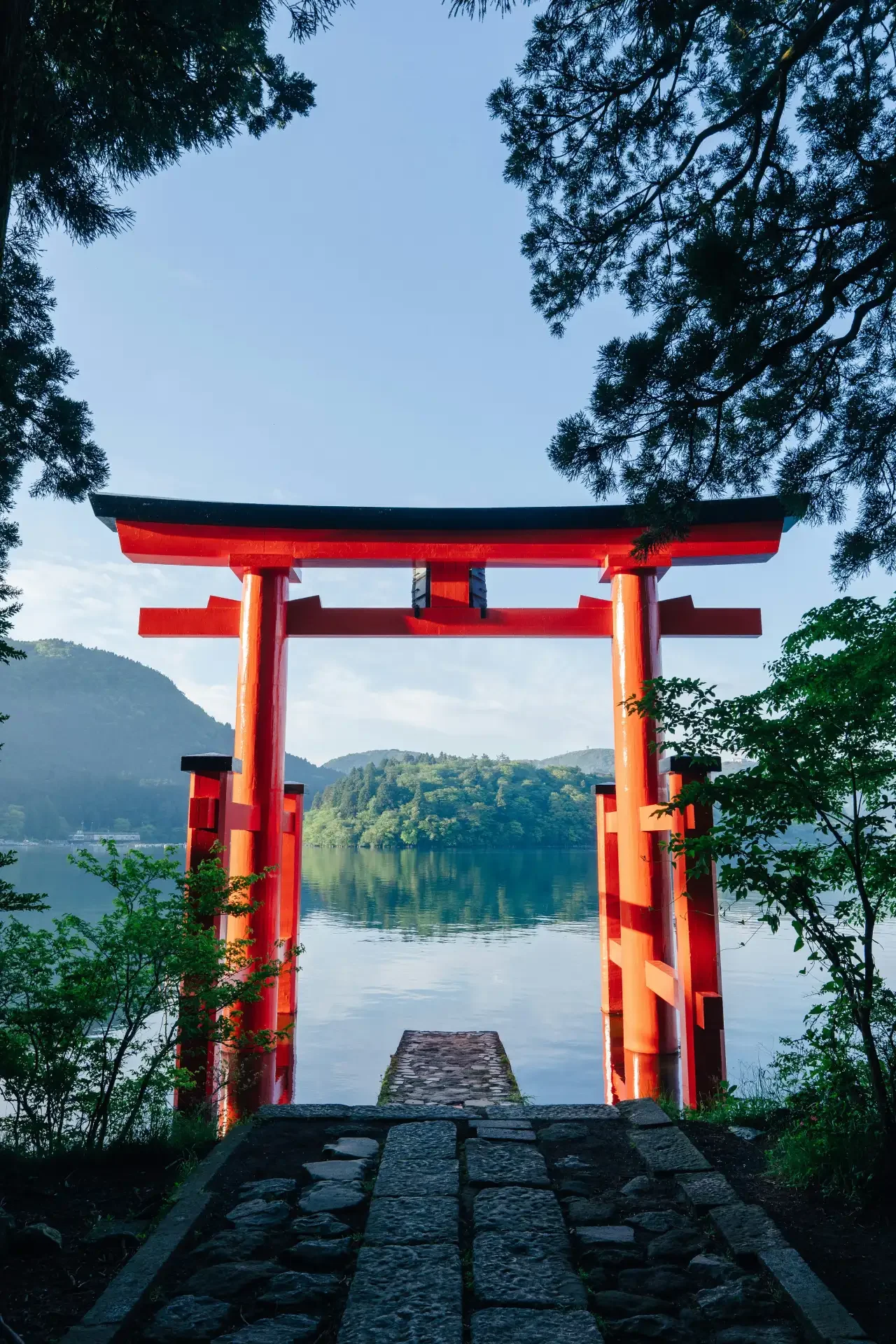
After crossing the lake, you arrive near Motohakone, where you can walk to Hakone Shrine. Its famous torii gate standing in the water is one of the most photographed spots in the region, but the atmosphere around the shrine itself is often quieter and worth taking the time to explore.
To complete the loop, you can return toward Hakone-Yumoto by bus, passing through forested roads and smaller local areas. This final stretch is less about sights and more about slowing down after a full day of movement.
Done smoothly, the entire loop takes most of the day without feeling rushed. The key is not to treat it as a checklist, but as a continuous journey where each section naturally flows into the next.
The Hakone Free Pass Explained
The Hakone Free Pass is one of those rare transport passes in Japan that actually makes your trip easier, not more complicated. If you’re planning to follow the Hakone Loop, it quickly becomes the simplest way to move around without thinking too much about tickets.
The pass is issued by Odakyu Electric Railway and covers unlimited use of most transport within Hakone. This includes the mountain train, cable car, ropeway, buses, and even the boat across Lake Ashi. In practice, it means you can complete the entire loop seamlessly, hopping on and off without buying separate tickets at each step.
There are two main versions. One includes round-trip transport from Tokyo, usually departing from Shinjuku Station. The other is a local version that starts from Odawara Station, which can be useful if you’re already traveling with a JR Pass or coming from a different area.
What makes the pass especially valuable is not just the savings, but the simplicity. Hakone involves multiple types of transport, and buying individual tickets for each one can quickly become confusing and time-consuming. With the Free Pass, everything feels connected, almost like a single continuous ride through the region.
It also includes small perks like discounts on certain attractions, museums, and even some restaurants, which can be a nice bonus if you plan to stop along the way.
From a practical point of view, the Hakone Free Pass is almost always worth it if you’re doing the full loop. Even if the price difference isn’t huge, the convenience alone makes it the better choice.
If there’s one “default decision” to make when planning Hakone, this is it.
Best Things to Do in Hakone
Hakone is not about rushing from landmark to landmark. It’s about moving through different landscapes and experiences that slowly change as you travel through the region. Still, there are a few key highlights that define the trip.
Ride the Hakone Ropeway over a volcanic valley
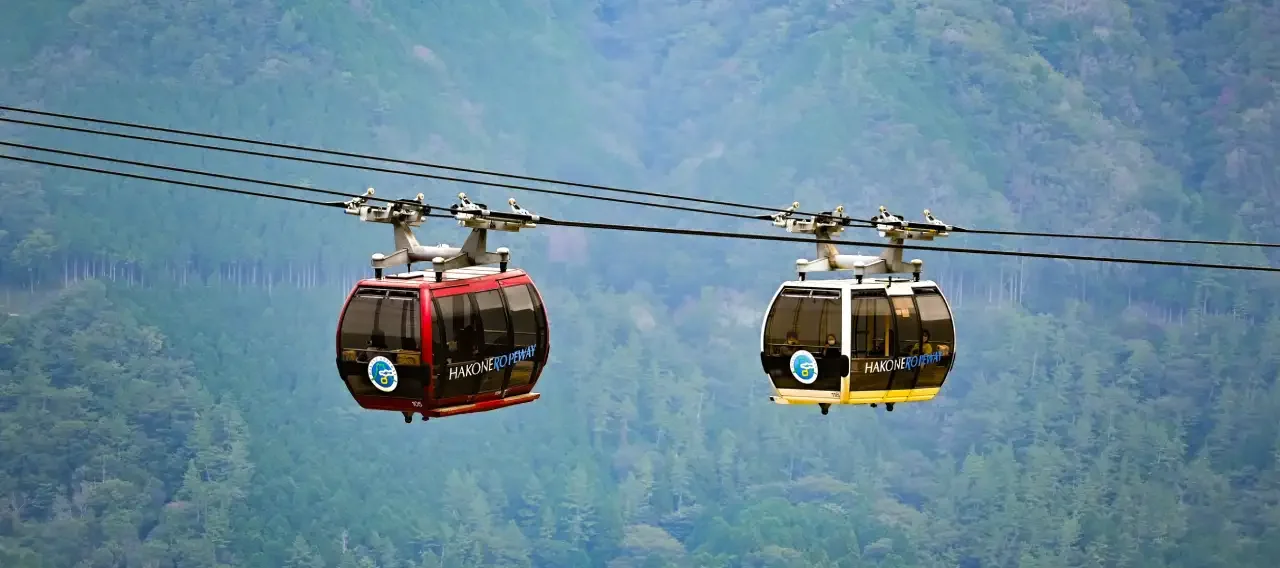
Photo by K Soma: https://unsplash.com/@ksoma
One of the most memorable parts of Hakone is the ropeway crossing above Owakudani. The landscape here is raw and dramatic, shaped by volcanic activity, with steam vents rising from the ground.
On clear days, this is also one of the best chances to see Mount Fuji in the distance. The contrast between the calm ropeway ride and the harsh terrain below is what makes it so special.
Explore Owakudani
Owakudani is often called the “Great Boiling Valley,” and you feel it immediately when you arrive. The smell of sulfur, the steam rising from the earth, and the black volcanic soil create a landscape that feels almost otherworldly.
This is also where you’ll find the famous black eggs (kuro tamago), boiled in hot springs and said to add years to your life. It’s a small detail, but very much part of the Hakone experience.
Cruise across Lake Ashi
A completely different atmosphere awaits at Lake Ashi. After the volcanic energy of Owakudani, the lake feels calm and open, surrounded by mountains.
The pirate-style sightseeing boats might sound touristy, but they’re actually one of the best ways to take in the landscape. On clear days, the reflection of Mount Fuji on the water is unforgettable.
Visit Hakone Shrine’s torii gate
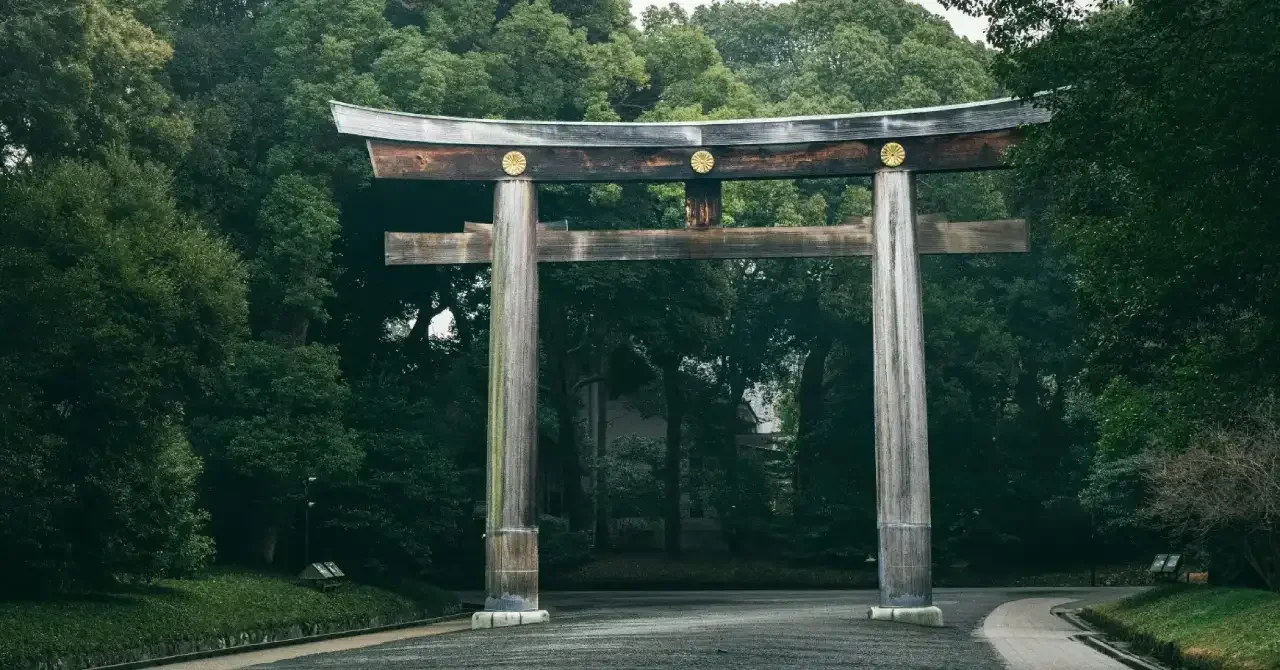
At the edge of the lake, in Motohakone, you’ll find Hakone Shrine. Its iconic red torii gate standing in the water is one of the most photographed spots in the region.
But beyond the photo, the walk through the cedar forest leading up to the shrine has a quiet, almost timeless atmosphere that contrasts beautifully with the busier parts of the loop.
Experience an onsen bath
Hakone is also one of the best places near Tokyo to experience traditional hot springs. Whether it’s a quick stop at a public bath or a full stay in a ryokan, the onsen culture here is central to the region’s identity.
After a full day moving through mountains, lakes, and ropeways, soaking in hot water surrounded by nature feels like the natural ending point of the loop.
Plan your trip to Japan

Suggested One-Day Itinerary (From Tokyo)
A day trip to Hakone works best when you treat it as a continuous flow rather than a list of stops. The goal is not to see everything, but to follow the Hakone Loop at a comfortable pace from Tokyo and back without rushing.
07:00 – 08:30 | Depart Tokyo → Hakone-Yumoto
Start early from Shinjuku Station and head toward Hakone-Yumoto. This is where the city slowly fades into mountains.
If you’re using the Romancecar, the ride is direct and smooth, setting the tone for the day.
09:00 – 10:30 | Hakone Tozan Train → Gora
From Hakone-Yumoto, take the mountain train toward Gora. This section is all about the landscape: bridges, tunnels, and tight curves through dense greenery.
It’s the first real “switch” from urban Japan to nature.
10:30 – 12:00 | Cable Car + Ropeway → Owakudani
Continue upward via cable car to Sounzan and then take the ropeway over Owakudani.
Here the scenery changes completely: steam vents, volcanic terrain, and wide open views.
On clear days, this is one of the best chances to spot Mount Fuji.
12:00 – 13:30 | Lake Ashi Cruise
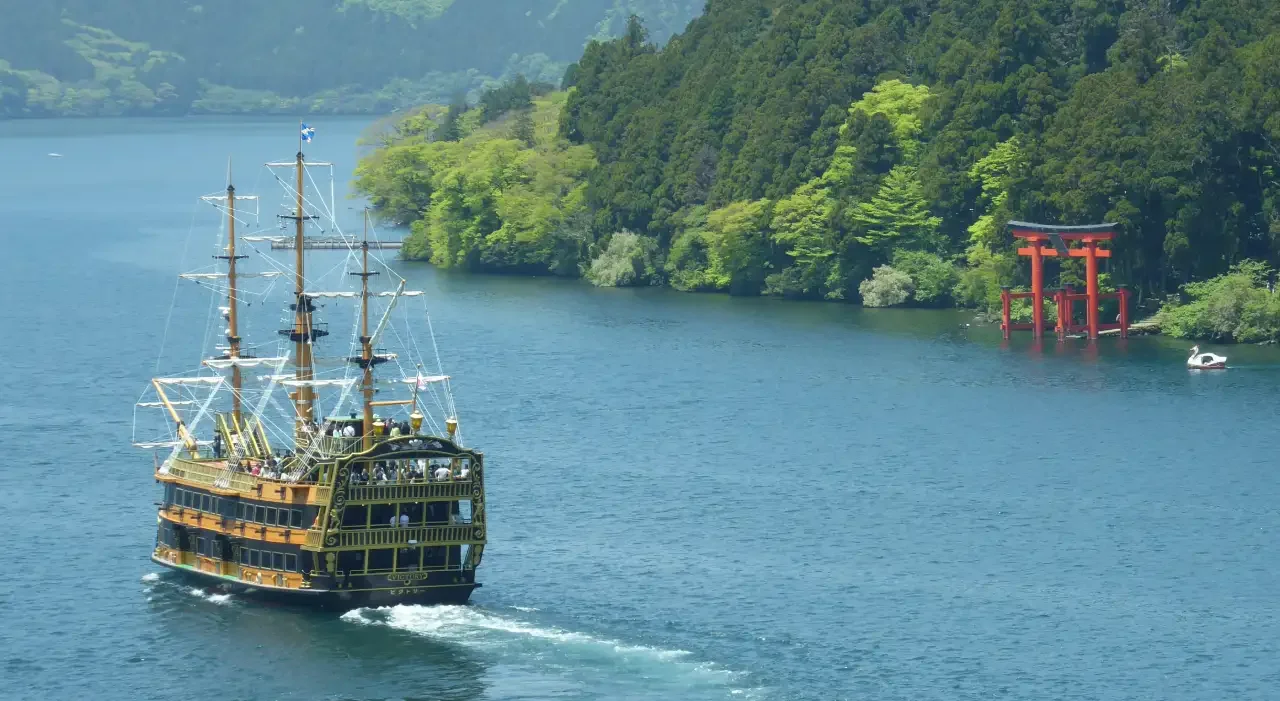
Photo by Steve Sharp: https://unsplash.com/@sharp3
Descend to Togendai and board the boat across Lake Ashi.
This is the calmest part of the loop. The pace slows down completely, and the view opens up in every direction.
13:30 – 15:00 | Hakone Shrine & Lunch
Arrive near Motohakone and walk to Hakone Shrine. The forest path leading to the shrine feels quiet and immersive.
This is also a good moment to stop for lunch in the area before continuing the loop.
15:00 – 17:30 | Return via Hakone-Yumoto
Head back toward Hakone-Yumoto by bus, completing the loop in reverse through forested roads and small mountain towns.
If you still have energy, you can make a short stop at a local onsen, which is the perfect way to end the day.
17:30 – 19:30 | Return to Tokyo
Travel back to Shinjuku Station.
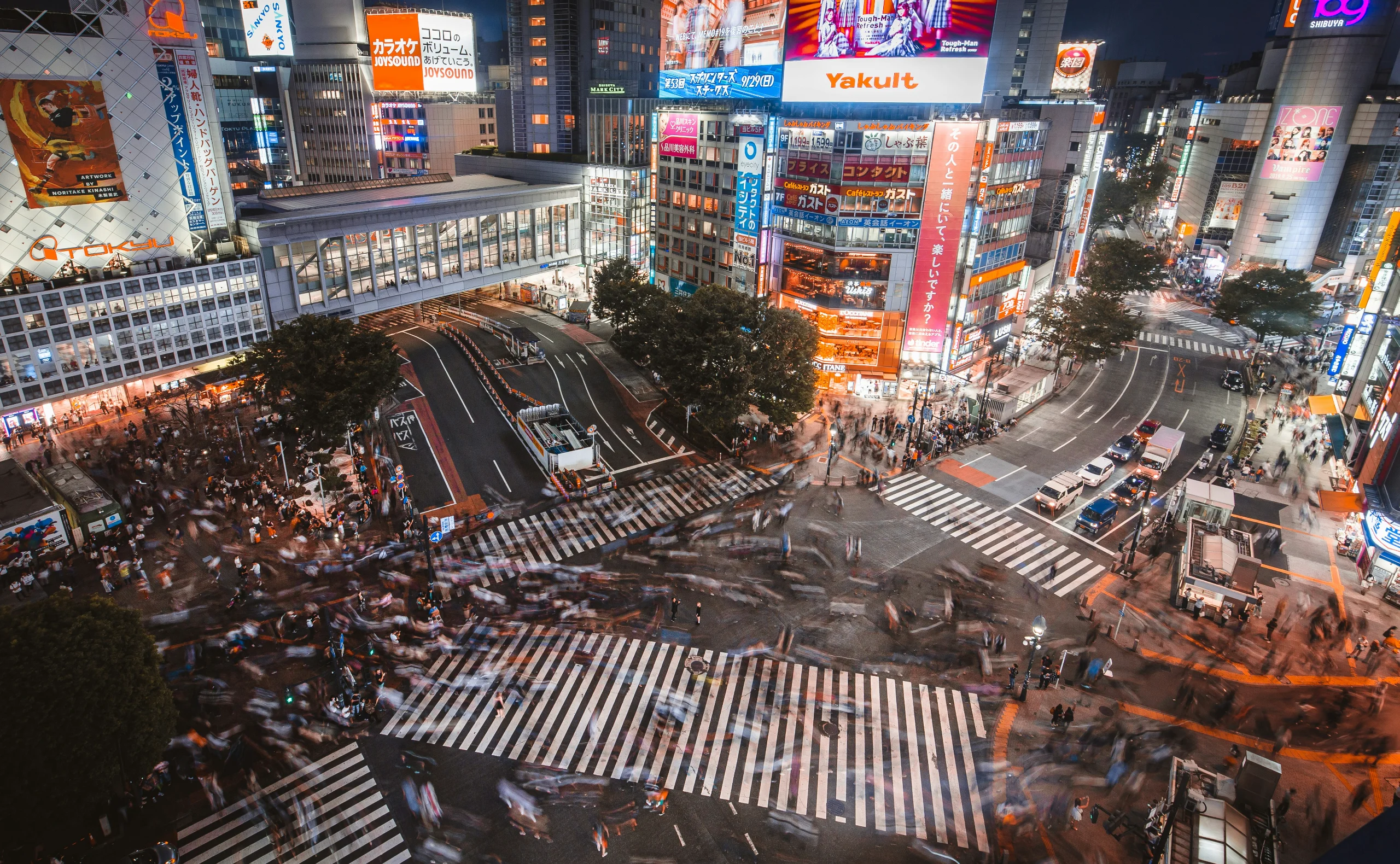
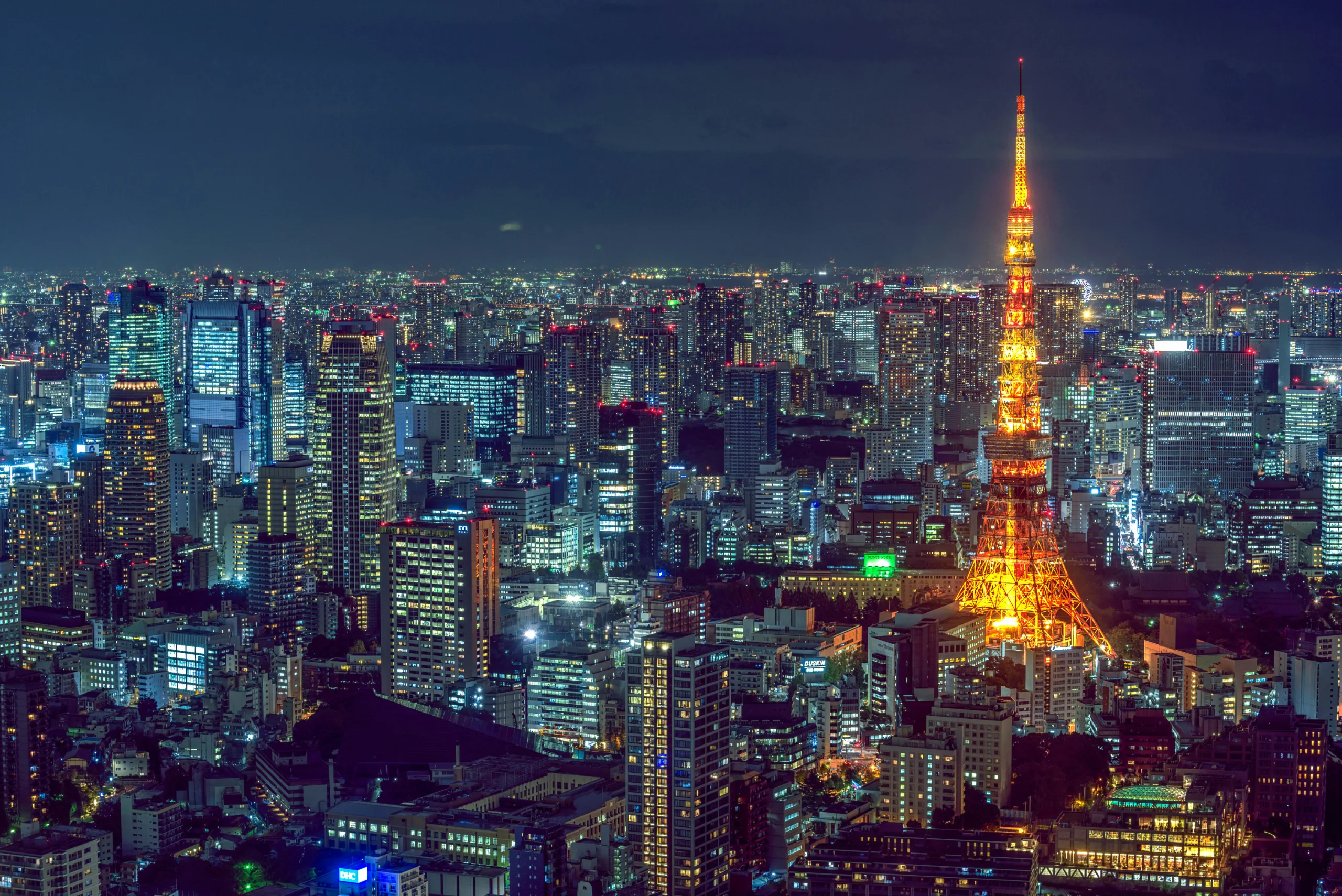
The contrast is part of the experience: from hot springs and mountains back to neon streets in just a couple of hours.
Trinuki note
Hakone works best when you don’t try to “optimize” it too much. If you follow the loop naturally, the rhythm of trains, ropeways, water, and walking already creates the experience. The itinerary is just a framework — the place does the rest.
Staying Overnight in Hakone (Ryokan Experience)
Staying overnight in Hakone changes the entire meaning of the visit. What feels structured and transport-driven during the day becomes something slower, quieter, and far more atmospheric once the last buses leave and the mountains settle into stillness.
Instead of returning to Tokyo, you remain inside a landscape of hot springs, forests, and small ryokan towns such as Hakone-Yumoto or Gora. The rhythm changes immediately. There is no loop to complete, no schedule to follow—just the environment itself taking over the pace of the day.
A ryokan stay in Hakone is not just accommodation, it is the experience itself. Traditional rooms with tatami floors, seasonal kaiseki dinners, and carefully structured hospitality create a setting where everything slows down by design. After a full day moving through mountains, ropeways, and lakes, arriving at your ryokan and changing into a yukata feels like stepping out of travel mode entirely.
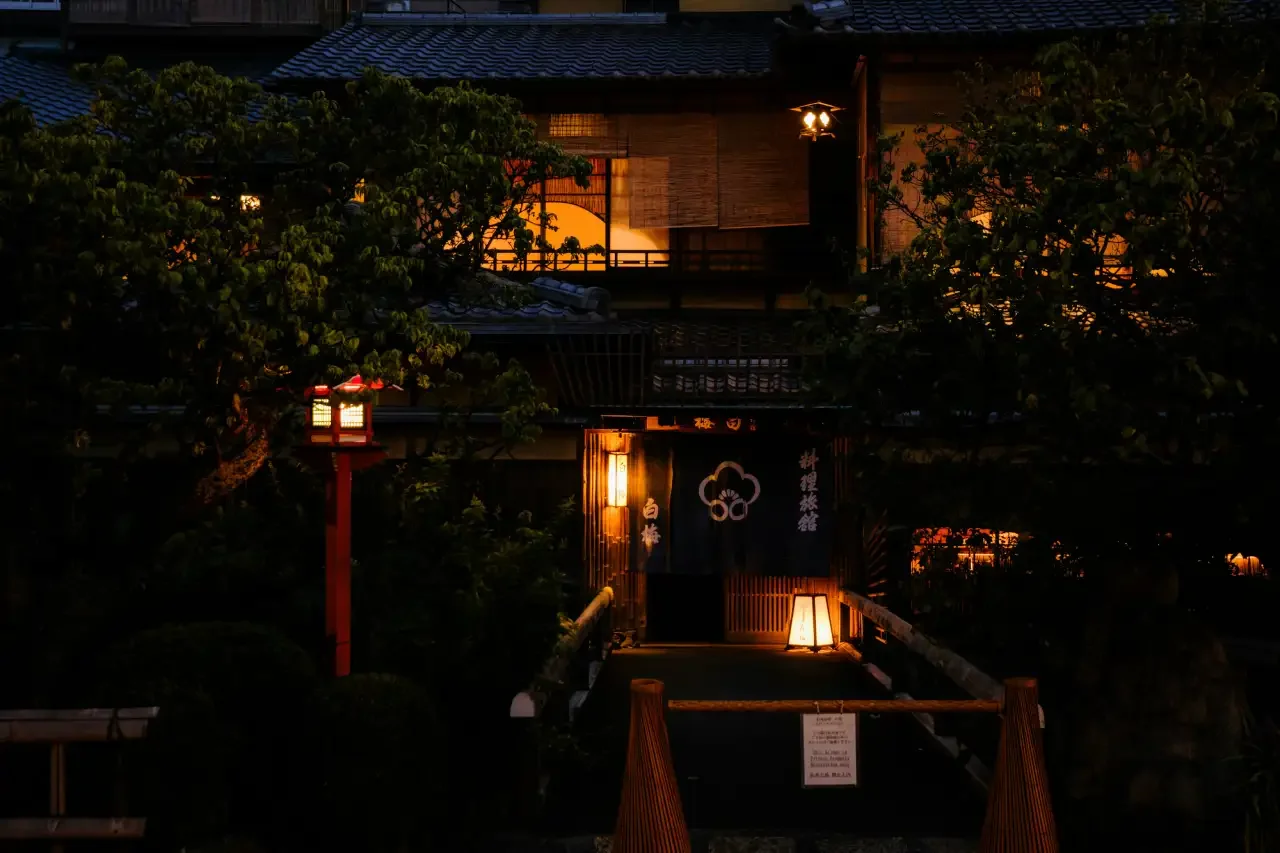
Photo by Mateo Krossler: https://unsplash.com/@mateokross
The onsen is the core of it. Whether indoor or open-air, surrounded by forest or mountain views, the hot spring bath becomes a natural transition between movement and rest. It is less about relaxation in the modern sense and more about resetting the body after a full day of constant motion.
Dinner follows the same rhythm. Kaiseki meals are served slowly, in stages, with attention to seasonality and detail. Nothing is rushed, nothing is accidental. Even time itself feels different inside the ryokan, as if the day has been deliberately stretched.
At night, Hakone becomes almost unrecognisable compared to daytime. Streets empty, light becomes minimal, and sound disappears into the mountains. The same region that felt dynamic during the loop turns into something still and suspended, where even walking outside feels slower.
An overnight stay is not necessary to understand Hakone, but it reveals a different layer of it. The day trip shows you the structure. The night shows you the atmosphere.
Best Areas to Stay in Hakone
Hakone feels completely different depending on where you stay. During the day everything is connected through the loop, but at night each area develops its own atmosphere, almost as if the region splits into different versions of itself once the crowds leave.
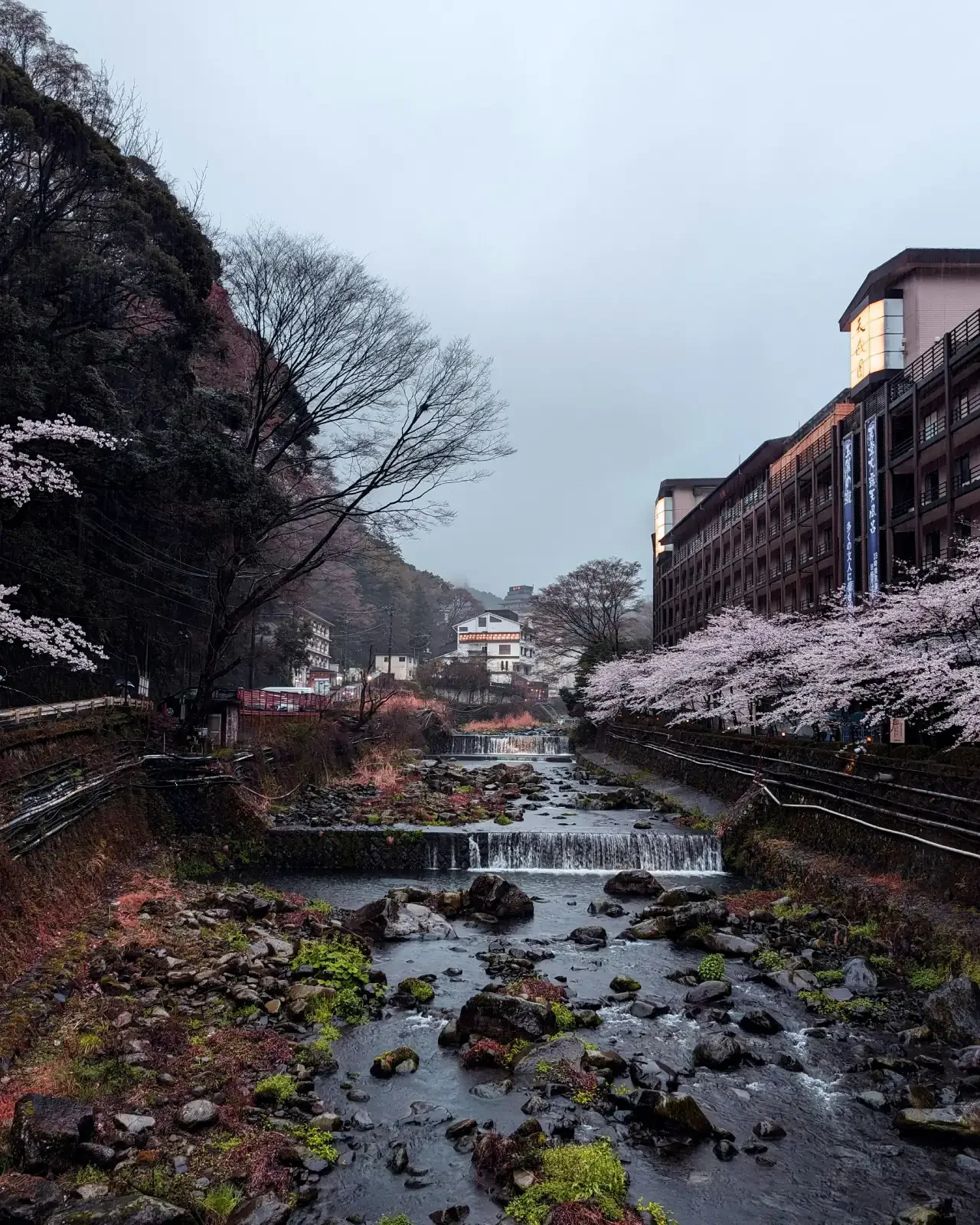
Hakone-Yumoto is the most practical base and the easiest entry point from Tokyo. It has the highest concentration of ryokan, small traditional streets, and riverside scenery. The atmosphere here is lively but still rooted in onsen culture, where arrival and immediate relaxation are part of the experience. It’s the most straightforward option, especially if you want convenience without overthinking logistics.
Higher up in the mountains, Gora feels noticeably more quiet and contained. The surroundings become greener, the air feels lighter, and the pace naturally slows down. Ryokan here are often designed around privacy, views, and isolation, with onsen baths overlooking forests or valleys. It’s the kind of place where you don’t plan to disconnect—you simply do.
Around the lake, in areas such as Motohakone and Lake Ashi, the experience becomes more atmospheric. During the day it can feel busy due to the loop traffic, but once the evening arrives everything changes. The lake becomes still, the movement disappears, and the surroundings turn into something almost suspended. Staying here feels less like being in a town and more like living inside the landscape itself.
Is Hakone Worth Visiting?
Hakone is absolutely worth visiting, but only if you understand what it is trying to be. It is not a city full of landmarks, nor a destination built around individual attractions. Its value comes from something more subtle: movement, contrast, and atmosphere.
What makes Hakone work is its proximity to Tokyo combined with how quickly it shifts your environment. In just over an hour, you move from dense urban energy into mountains, forests, and open water. That transition is not gradual, it is immediate, and that contrast is the core of the experience.
Hakone is also one of the clearest examples of experience-based travel in Japan. You don’t “visit” a single highlight; you move through a sequence of environments connected by trains, ropeways, boats, and roads. Places like Owakudani, Lake Ashi, and Hakone Shrine are not isolated stops, but parts of a continuous flow.
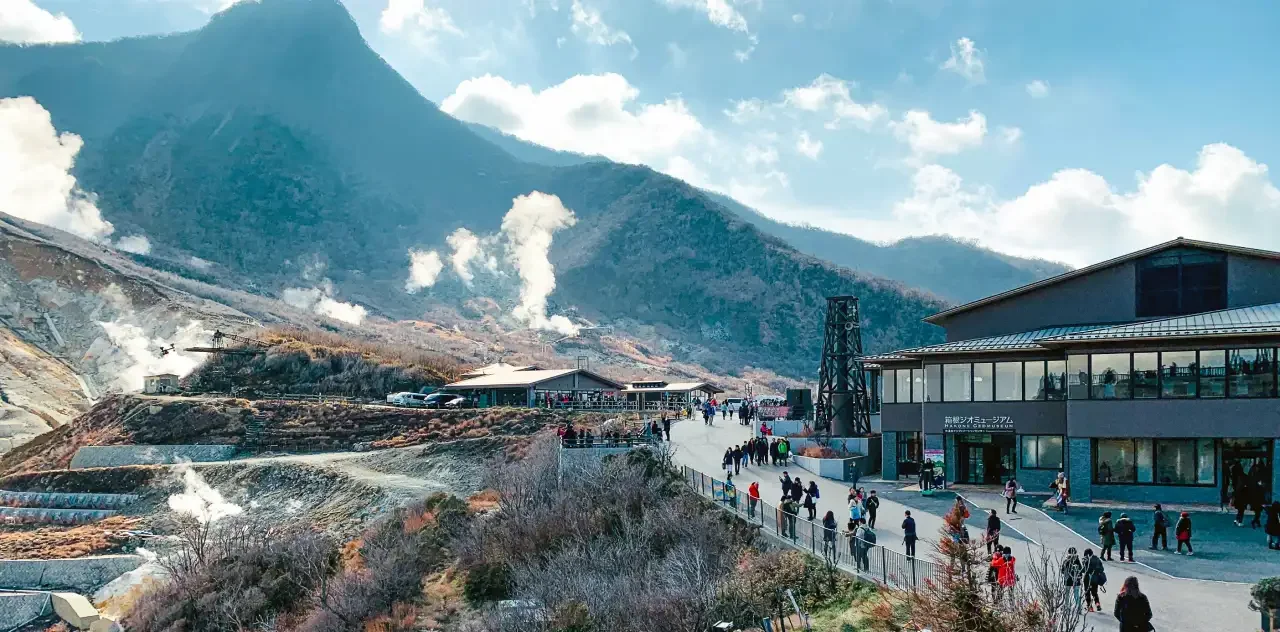
Photo by Yusheng Deng: https://unsplash.com/@akiradeng
It also offers one of the most accessible introductions to onsen culture near Tokyo. Whether it’s a short bath during the day or a full overnight stay in a ryokan in areas like Gora or Hakone-Yumoto, the experience shifts from sightseeing to slowing down. That change of rhythm is often what people remember most.
Compared to other day trips such as Kamakura, Hakone is less about culture density and more about environmental contrast. Kamakura gives you temples and coastline. Hakone gives you steam, mountains, water, and silence all within the same loop.
So the real question is not whether Hakone is “good enough”, but whether you want what it offers. If you are looking for intense sightseeing, it may feel light. If you are looking for space, contrast, and a break from Tokyo’s pace, it becomes one of the most effective escapes in the region.
Hakone is not memorable because of a single moment. It is memorable because of how it makes the entire day feel different from everything around it.
Travel Tips (Trinuki Notes)
Hakone is easy to reach from Tokyo, but the experience changes a lot depending on timing, weather, and how you move through the loop. Small decisions here matter more than they seem.
Start early from Shinjuku.
Leaving from Shinjuku Station in the morning gives you a real advantage. The loop takes time, and Hakone is not something you want to compress. Early arrival means you experience it at its natural pace instead of chasing transport schedules.
Don’t rush the loop.
The route through Hakone-Yumoto, Gora, Owakudani and Lake Ashi is designed as a flow, not a checklist. If you start optimizing stops too aggressively, you lose the rhythm that makes Hakone interesting in the first place.
Weather changes everything.
Views of Mount Fuji are never guaranteed. Clear mornings offer the best chance, especially around the ropeway and lake. But even without Fuji, the landscape itself still carries the experience—Hakone is not dependent on visibility to work.
Use the Free Pass if you are doing the full loop.
The pass from Odakyu Electric Railway removes friction across multiple transport types. Instead of thinking about tickets for trains, ropeways, boats, and buses, you just move. That simplicity is what makes the loop feel continuous.
Expect silence between highlights.
Hakone is not constantly active. There are stretches where nothing “happens” in a traditional sense—just travel, waiting, or moving through nature. These moments are part of the structure, not gaps in it.
Onsen etiquette matters.
If you stop for a hot spring or stay overnight, basic etiquette is important: wash before entering, keep noise low, and respect shared space. The onsen experience is simple, but it depends heavily on how everyone behaves within it.
Stay overnight if you can.
Even one night changes the perception of the place. Areas like Gora or Hakone-Yumoto shift completely after sunset. The day trip shows Hakone’s structure; the overnight stay shows its atmosphere.
Hakone works best when you stop trying to control it too much. The loop already exists, the transport already connects everything, and the experience is already designed. The only real variable is how fast you move through it—and in Hakone, slower almost always works better.
Suggested Itinerary Connections
Hakone works best when it is not treated as an isolated stop, but as a transition point inside a wider journey through the Kanto region. Its position between Tokyo, coastal towns, and Mount Fuji makes it naturally flexible within almost any itinerary.
After visiting Hakone, the most common movement is simply returning to Tokyo, usually via Shinjuku Station. This creates a strong contrast effect: from hot springs, mountains, and silence back into neon density and city energy in just a couple of hours. It works especially well if Hakone is your “reset day” in the middle of a Tokyo-focused trip.
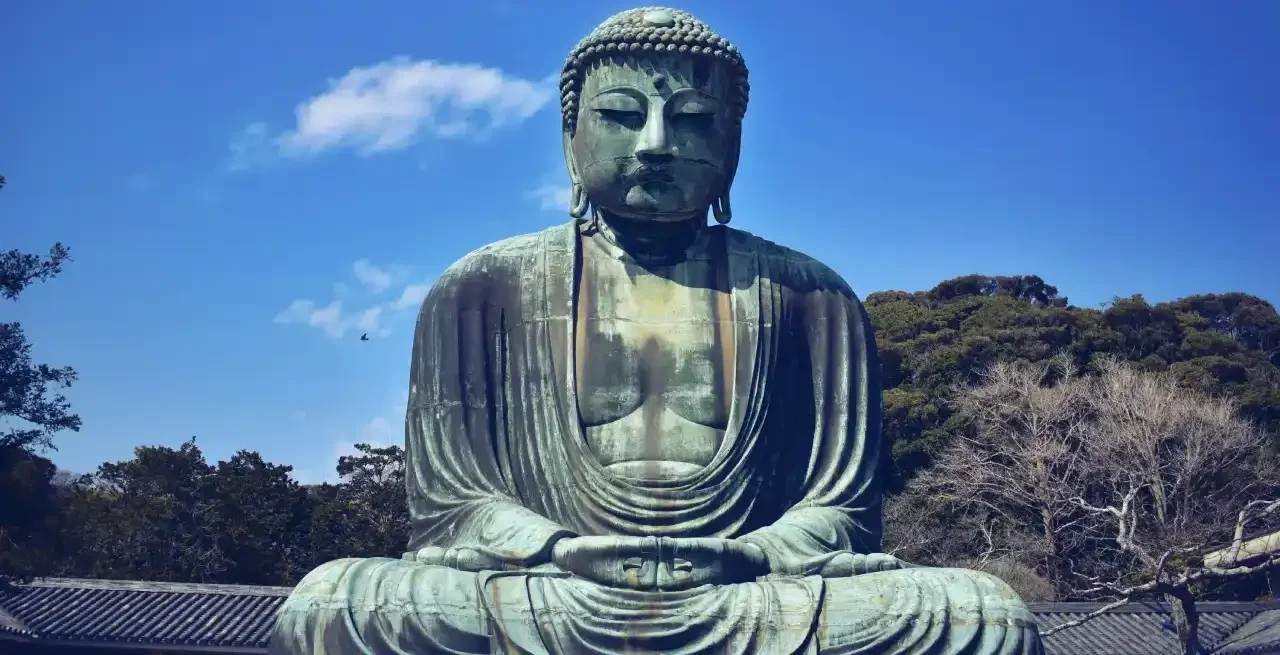
Another natural connection is Kamakura. The contrast here is geographical as well as atmospheric: Kamakura offers coastline, temples, and a lighter cultural rhythm, while Hakone is defined by mountains, volcanic landscapes, and onsen culture. Together, they form a balanced pair of day trips that show two completely different faces of Japan outside the city.
Hakone also connects naturally with the wider Fuji area. Moving toward Mount Fuji and the surrounding lakes extends the nature-focused side of the journey. While Hakone gives you framed and distant views of Fuji, the Fuji Five Lakes region shifts the perspective closer and more direct, turning the mountain into the central focus rather than a background element.
A more practical but often overlooked connection point is Odawara Station. It acts as the structural link between Hakone and the Shinkansen network, making it a useful pivot if your route continues toward Kyoto, Osaka, or other long-distance destinations. Even if you only pass through it, it quietly anchors Hakone within Japan’s broader transport system.
Hakone ultimately works less as a destination and more as a connector between different travel moods. It sits between movement and pause, between city and nature, and between structured sightseeing and open experience.