Shibuya, Tokyo: The Ultimate Guide to Crossing, Shopping & Nightlife
Introduction to Shibuya
Shibuya is one of the most dynamic districts in Tokyo, and a place most travelers end up visiting at least once. Known worldwide for the famous Shibuya Crossing, it’s the kind of spot where thousands of people cross at the same time, surrounded by giant screens, noise, and constant movement.
But Shibuya is much more than its iconic intersection. It’s a hub for fashion, shopping, and youth culture, with streets that feel alive pretty much all day. You’ll find everything from big department stores and trendy brands to small bars and casual places to eat tucked away in side streets.
If you want to experience modern Tokyo at full speed, this is the place. Whether you’re just passing through or planning to spend a few hours exploring, Shibuya hits you with that energy straight away.
What is Shibuya famous for?
Shibuya is famous for a mix of things, but it all comes down to one idea: energy. This is one of the places where Tokyo feels most alive, chaotic in a good way, and constantly moving.
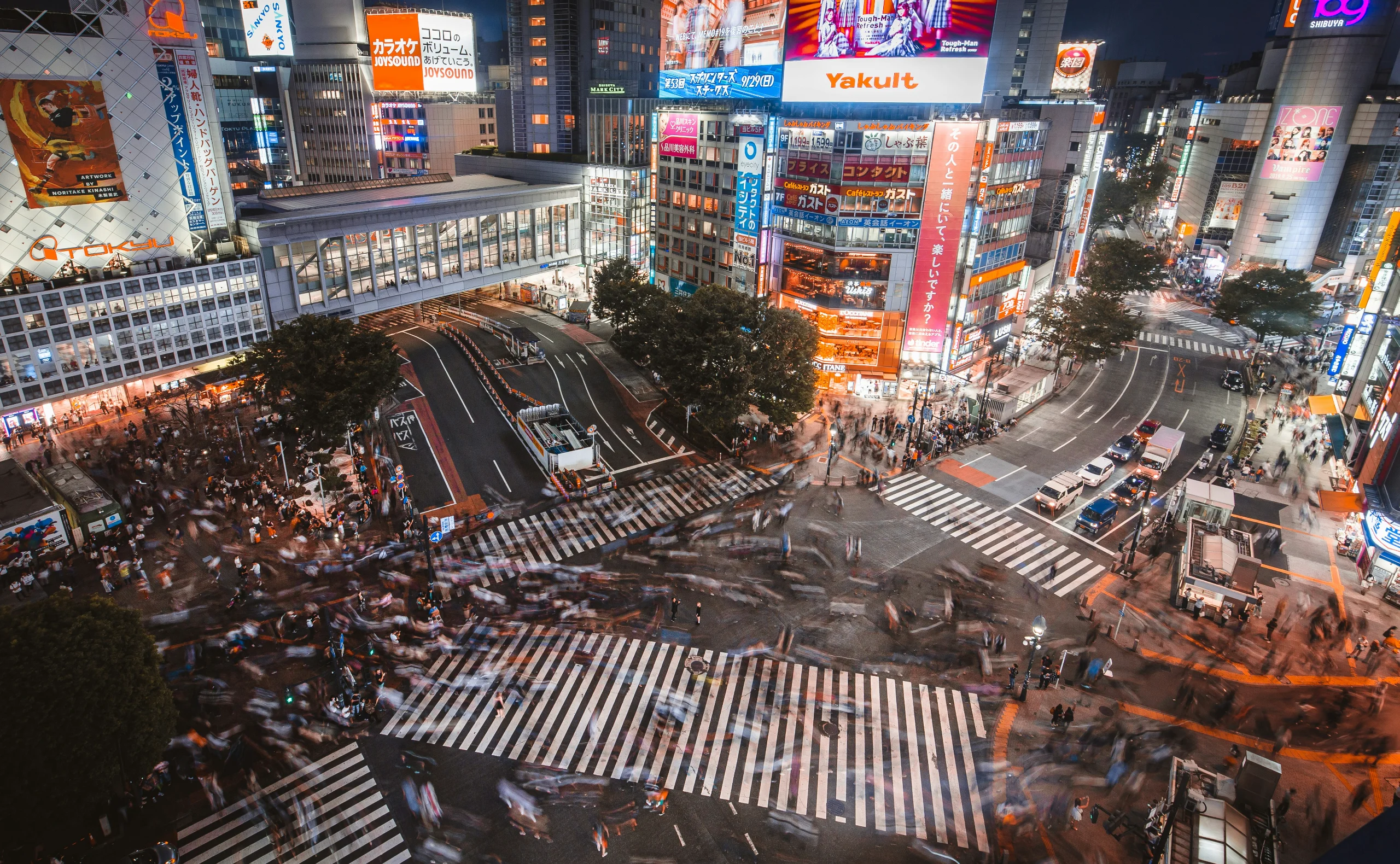
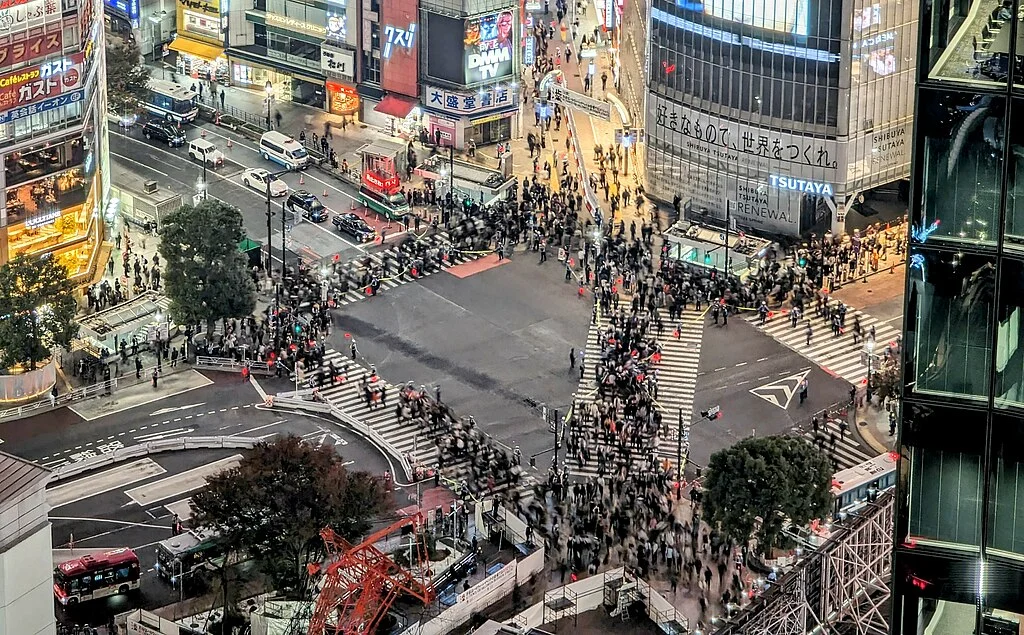
The biggest icon is, of course, the Shibuya Crossing, often called the busiest intersection in the world. When the lights turn red, hundreds of people cross from every direction at once. It’s one of those things that sounds simple, but when you see it in person, it just hits different.
Another key part of Shibuya is its youth culture and fashion scene. The area has been shaping trends in Japan for decades, especially around streets like Center Gai, where you’ll find everything from mainstream brands to more experimental styles.
Nuki's Corner!
#Shibuya: over 100,000 people in a single night

Shibuya is one of the most popular gathering spots in Tokyo for big celebrations like New Year’s Eve. Around the Shibuya Crossing, the area can attract over 100,000 people in a single night, all packed into the streets to count down and celebrate together.
In fact, the crowds get so dense that the atmosphere feels more like a festival than a normal street crossing. It’s one of those moments where Shibuya shows its “anything can happen” side.

Then there’s the nightlife. As soon as the sun goes down, Shibuya shifts gears. Neon lights, music, bars, izakayas, clubs… it becomes one of the best areas in Tokyo to go out, whether you’re looking for something chill or a full night out.
And finally, Shibuya is also known for small details that have become symbols of the city, like the Hachikō Statue, one of the most popular meeting spots in Tokyo.
Put it all together and you get a place that’s not just famous for one thing, but for the overall experience.
Shibuya Crossing: The World’s Busiest Intersection
The Shibuya Crossing is probably the first image that comes to mind when you think about Shibuya. And honestly, it lives up to the hype.
Every time the traffic lights turn red, hundreds (sometimes over a thousand) people cross from all directions at the same time. It looks chaotic at first, but there’s a strange order to it, like a moving wave of people that somehow never collides.
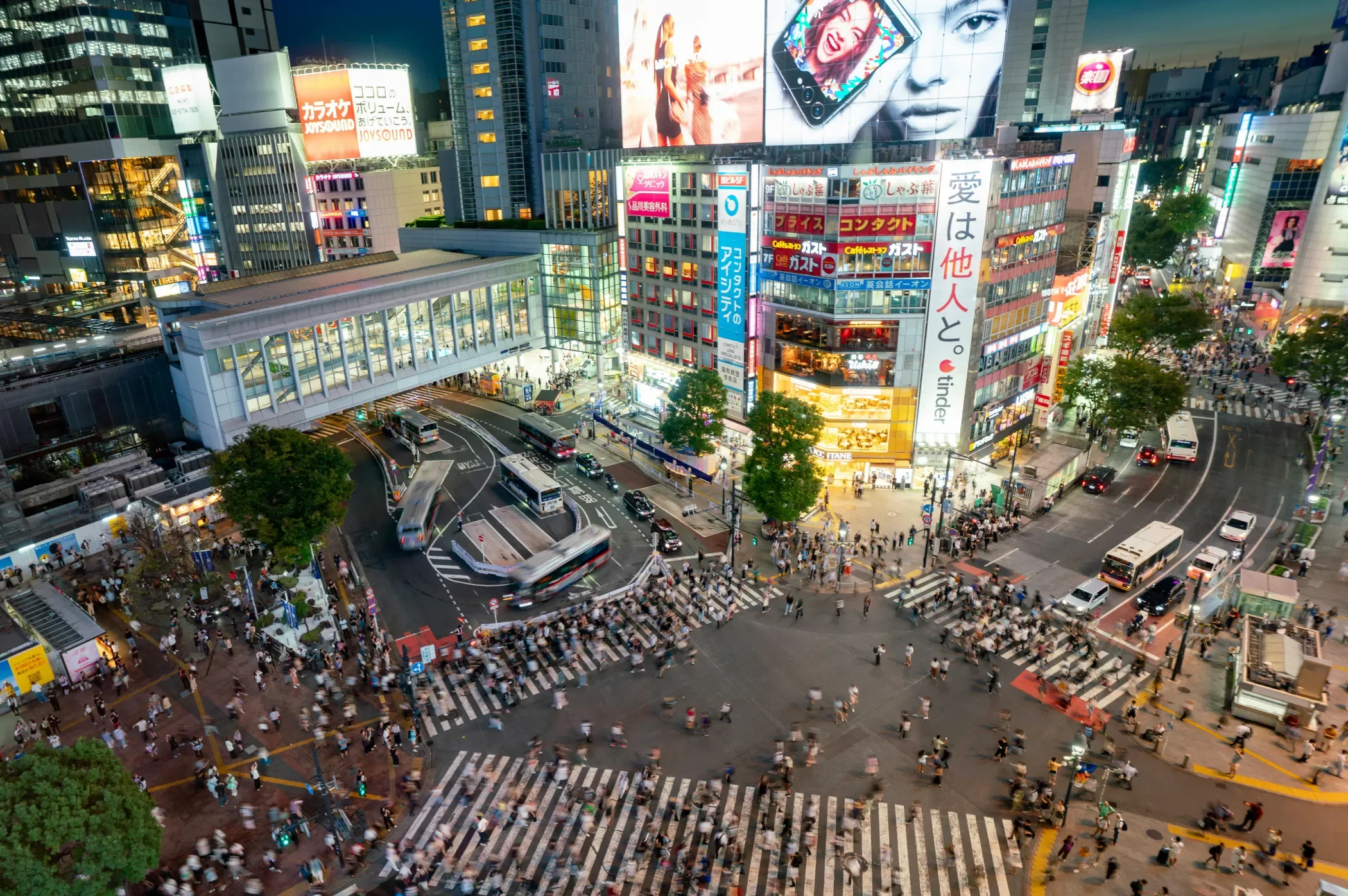
What makes it even more iconic is the setting: giant LED screens, flashing ads, music from nearby stores, and crowds watching from every angle. It’s one of those places where you just stop for a minute and take it all in because it feels almost surreal.
If you want the best view, you’ve got options. You can watch it from the Starbucks overlooking the crossing, from nearby buildings, or just dive straight into it and experience it from the inside. Both perspectives are worth it.
📍 Best Viewpoints to Watch Shibuya Crossing
My advice is to cross the Shibuya Crossing at least twice and try to see it from different perspectives. For example, from above! The nearby buildings and shops offer a unique opportunity to get a different view of the Shibuya Crossing.
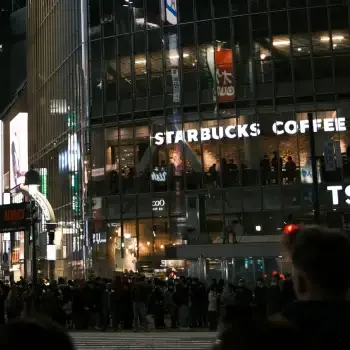
☕ Starbucks Shibuya Tsutaya
The classic one. It’s right above the crossing, and you get a direct view through the large windows.
It’s not a secret anymore, so expect queues, especially at peak hours.
But please, don't be stingy, grab something to drink when you take the photo... or be a ninja and take the photo without being seen.
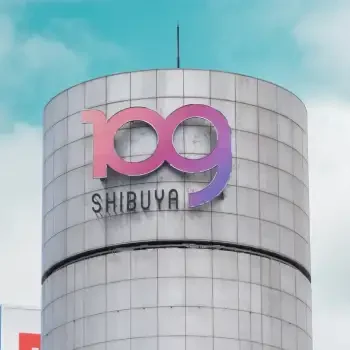
🏢 MAGNET by Shibuya 109 (Rooftop “Crossing View”)
One of the best open-air views. You’re slightly higher, and you can feel the scale of the crossing better than indoors.
Great for photos without glass reflections.
You can buy the ticket on their website or on Klook; depending on the exchange rate, it costs €9-10 (approximately 1800 PY).
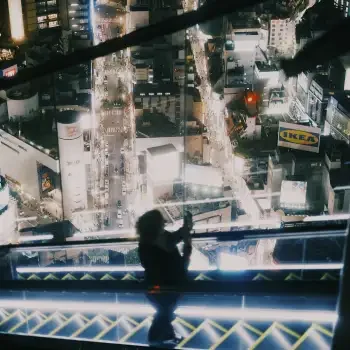
🌆 Shibuya Sky (Shibuya Scramble Square)
If you want the full cinematic version of Tokyo, this is it. From the rooftop observatory, you see the entire district, including the crossing below.
In this case, they are the most spectacular and popular views on Instagram.
You can buy the ticket on Klook; depending on the exchange rate, it costs €14 (approximately 2650 JPY).
Shibuya Sky is one of the most impressive viewpoints in Tokyo and a must-visit if you want to understand the scale of the city. Located on top of Shibuya Scramble Square, it sits right above the Shibuya Crossing, giving you a direct view of the chaos from above while also opening up a 360º panorama of the entire city.
The experience starts before you even reach the rooftop. You go through a modern, carefully designed indoor exhibition space that builds anticipation as you move higher and higher. Once you reach the top, you step out into an open-air observation deck where Tokyo suddenly feels endless. On clear days, you can even spot Mount Fuji in the distance, which makes the whole experience even more surreal.
One of the best moments to visit Shibuya Sky is during sunset. The transition from daylight to night is incredible: you see the city slowly switching on, with neon lights starting to take over the skyline. It’s easily one of the most cinematic views in Tokyo, and a completely different perspective from the energy of the streets below.
It’s not the cheapest viewpoint in the city, but it’s definitely one of the most memorable. If you want that “wow” moment in Tokyo, this is where you get it.
Things to Do in Shibuya
Shibuya is way more than just the famous Shibuya Crossing. If you spend a few hours here (or a full day), there’s a lot you can actually do without leaving the area.
Something to keep in mind before visiting Shibuya is that you’ll likely end up spending a big part of your time browsing shops and stores, even if you don’t plan on buying anything.
📸 Hachikō Statue
The Hachikō statue is one of the most iconic spots in Shibuya, almost a “one-hit wonder” in the sense that you’ll probably queue up, take the same classic photo everyone takes, and move on.
But take a moment before you leave and think about the story behind the statue:
Hachikō was an Akita dog who lived in Tokyo in the 1920s and became one of the most powerful symbols of loyalty in Japanese culture. He belonged to Professor Hidesaburō Ueno, who worked at the University of Tokyo. Every morning, Hachikō would accompany him to Shibuya Station, and every afternoon he would return to the station to wait for him coming back from work.
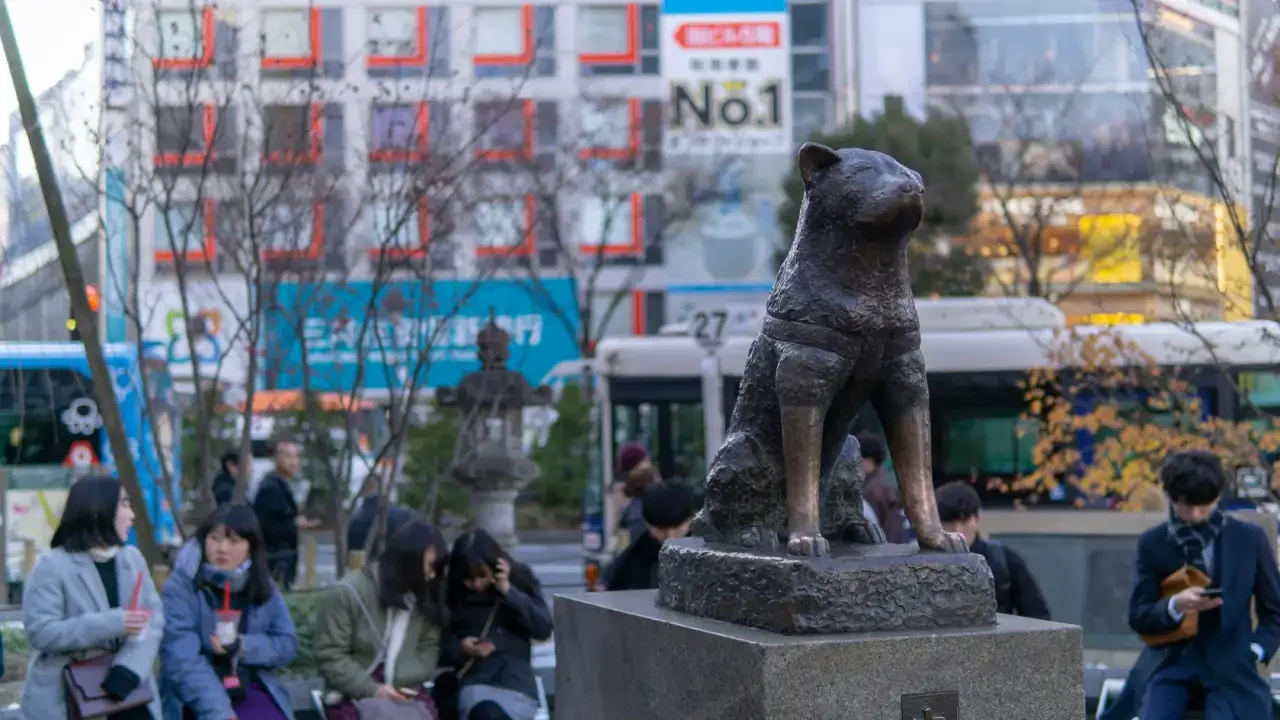
Photo by Darel Low: https://unsplash.com/es/@darel_not
This routine continued until 1925, when Professor Ueno suddenly passed away due to a cerebral hemorrhage while at work. He never returned to the station. But Hachikō didn’t understand that. He kept going back to the same spot at Shibuya Station every single day, waiting for his owner to return. Day after day, year after year, he showed up at the exact same place for nearly a decade, until his own death in 1935.
Over time, people who passed through the station began to notice him. Locals, commuters, and station workers started bringing him food and caring for him. His story spread across Japan, and he became a national symbol of loyalty and unconditional love.
On March 8, 1935, Hachikō was found dead in front of Shibuya Station in Tokyo, after spending nearly ten years waiting in vain for his owner to return.
He was later laid to rest near Professor Ueno, and a monument bearing his name was placed beside the professor’s grave at Aoyama Cemetery in Minami-Aoyama, Minato, Tokyo.
Today, his legacy lives on at the Hachikō Statue, one of the most famous meeting points in Tokyo.
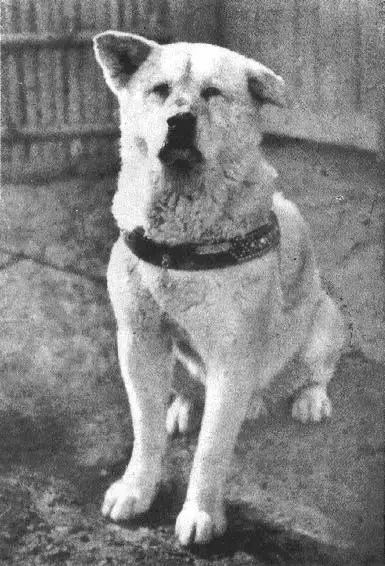
Hachikō’s story has also been adapted and referenced multiple times in popular culture. The most well-known adaptation is the film Hachi: A Dog’s Tale (2009), starring Richard Gere, which brought the story to a global audience and made it widely known outside Japan.
There are also earlier Japanese films and books that recount his life, as well as numerous references in documentaries and media that continue to highlight his loyalty as something almost beyond fiction.
🛍️ Shibuya Shopping Streets
Shibuya is one of the best places in Tokyo for shopping. Around Center Gai and the surrounding streets, you’ll find everything from big international brands to Japanese street fashion and small independent shops.
Shibuya 109
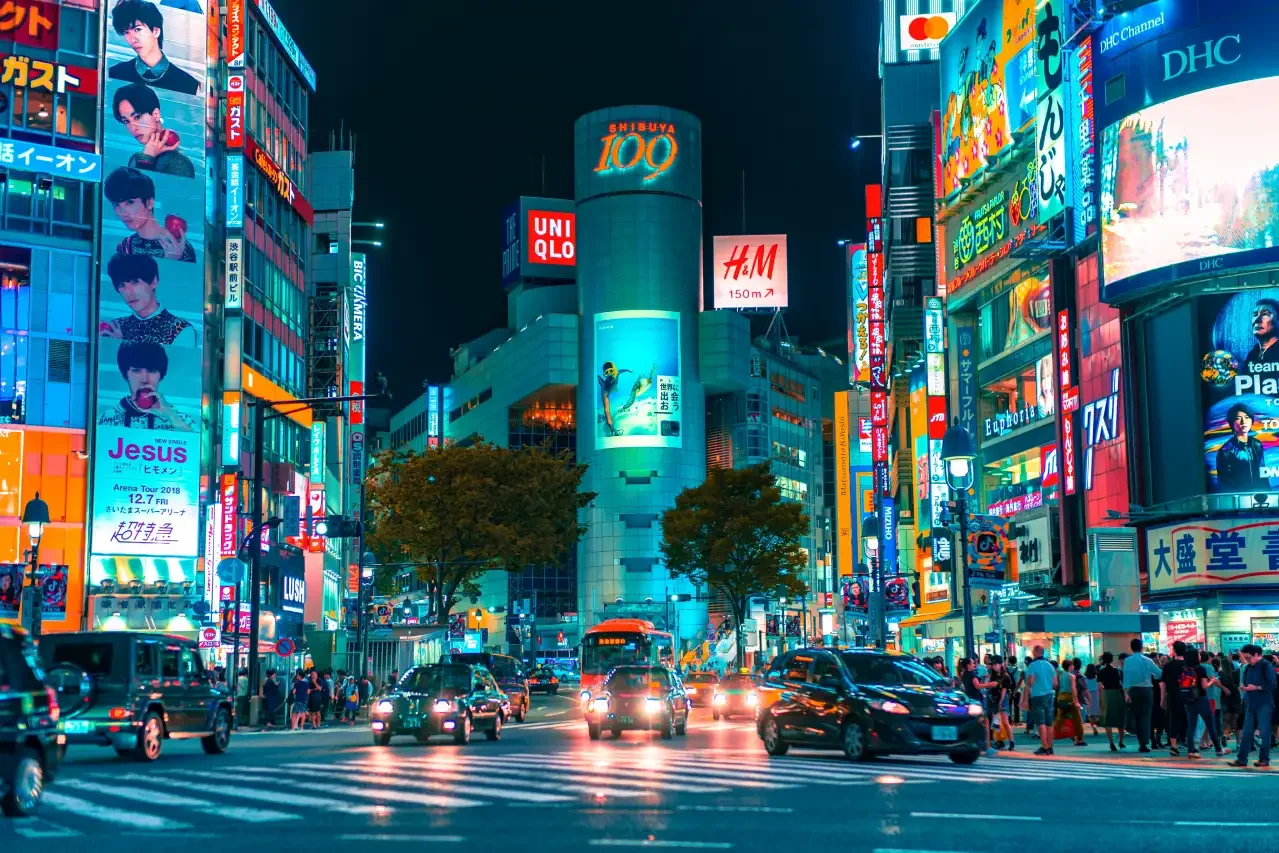
Photo by Jezael Melgoza: https://unsplash.com/es/@jezar
Shibuya 109 is one of the most iconic shopping landmarks in Tokyo, especially if you’re into Japanese fashion. Located right next to the Shibuya Crossing, it’s basically the heart of youth style in the city and has been shaping trends for decades.
Inside, you’ll find floor after floor dedicated mostly to women’s fashion, with bold, experimental, and constantly changing styles. It’s known for the gyaru culture, but today it’s much more mixed, with brands ranging from playful streetwear to more modern and minimal Japanese aesthetics.
Even if you don’t plan to buy anything, it’s worth stepping inside just to see the energy of the place. Music, bright interiors, fast-moving crowds, and staff carefully styling every display make it feel more like a fashion showcase than a traditional shopping mall.
MEGA Don Quijote Shibuya
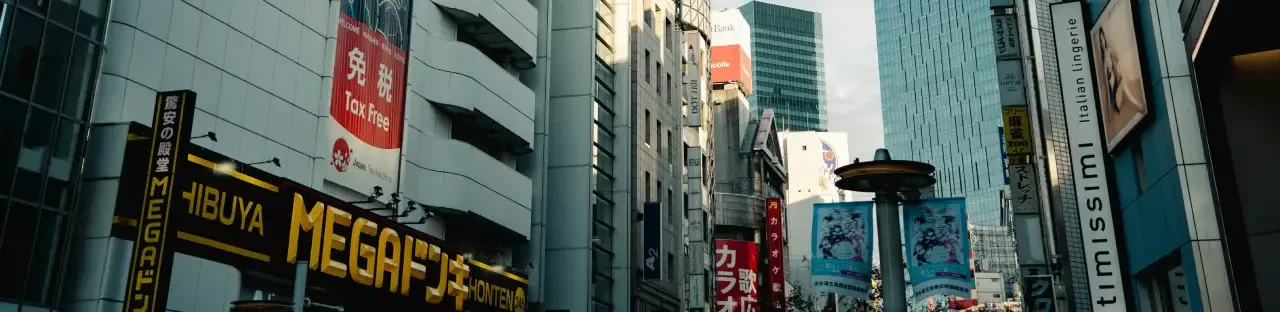
Photo by XS Xue: https://unsplash.com/es/@kngstm
MEGA Don Quijote Shibuya is one of those places you either love or feel completely overwhelmed by. Located just a short walk from the Shibuya Crossing, it’s a multi-floor store packed with absolutely everything you can imagine.
Inside you’ll find snacks, souvenirs, cosmetics, electronics, costumes, and random items you didn’t even know existed. The layout is chaotic, the aisles are tight, and there’s music and noise everywhere, but that’s exactly part of the experience.
In recent years, it has also become especially popular for its selection of Korean cosmetics. You’ll find entire sections dedicated to skincare and beauty products from Korea, which attract both locals and tourists looking for affordable and trendy brands. It’s become one of the easiest places in Shibuya to pick up K-beauty products without having to visit specialized stores.
It’s not really about shopping with a plan, it’s more about wandering around and suddenly realizing you’ve spent 30 minutes picking up things you don’t need but somehow want.
While there are many Don Quijote stores across Tokyo and Japan, the Shibuya location is arguably the most iconic one, both for its size and its location right in the heart of the city.
Nintendo Tokyo, located inside Shibuya PARCO
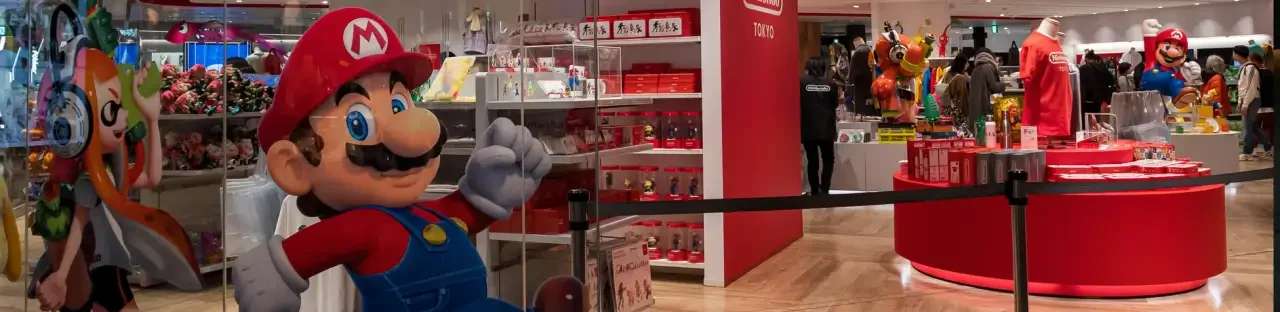
Photo by Luke Galloway: https://unsplash.com/es/@space_face_films
Nintendo Tokyo is one of the most popular stops inside Shibuya Parco, especially if you’re a fan of gaming or just grew up with Nintendo characters. Located a short walk from the Shibuya Crossing, it’s the official flagship store in Tokyo and feels more like an interactive exhibition than a typical shop.
Inside, you’ll find everything from exclusive merchandise to limited-edition collectibles featuring Mario, Zelda, Animal Crossing, and Splatoon. The space is carefully designed, with giant displays and playable areas that make it feel immersive rather than just commercial.
Even if you don’t plan to buy anything, it’s worth visiting just to experience the atmosphere. It’s one of those places where Nintendo’s world feels very real, and honestly, a bit nostalgic no matter your age.
Pokémon Center Shibuya (Shibuya PARCO)
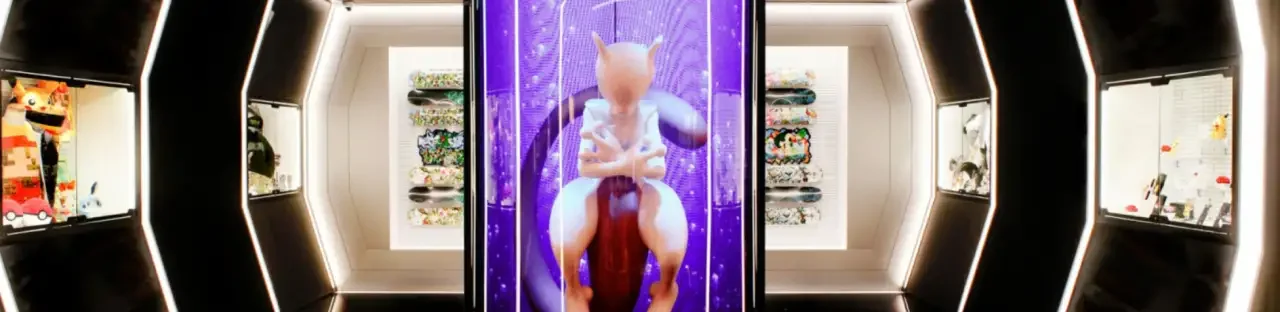
Pokémon Center Shibuya is one of the most popular stops inside Shibuya PARCO and a must-visit if you’re even slightly into Pokémon. Located just a few minutes from the Shibuya Crossing, it’s the official flagship store in Tokyo and feels more like an experience than a shop.
From the moment you enter, the design stands out. The store has a much more futuristic and “dark” aesthetic compared to other Pokémon Centers in Japan, with neon lights, steel details, and a more modern take on the franchise. It’s especially famous for the giant Mewtwo installation, which immediately sets the tone when you walk in.
Inside, you’ll find everything from plushies and trading cards to exclusive Tokyo merchandise you won’t easily see elsewhere. Even if you’re not planning to buy anything, it’s worth visiting just to see how Pokémon is presented in such a different, more mature way compared to other locations in Japan.
Tower Records Shibuya
Tower Records Shibuya is one of those places that proves physical music stores are still very much alive in Japan. Located just a short walk from the Shibuya Crossing, it’s actually one of the largest music stores in the world, spread across multiple floors dedicated to different genres.
Each floor feels like its own universe, from J-pop and K-pop to rock, jazz, electronic, and even vinyl collections for more niche tastes. It’s not just about buying music, but about exploring it. You’ll often find exclusive releases, limited editions, and artist collaborations that are hard to come across anywhere else.
What makes Tower Records Shibuya special is that it still feels like a proper music experience, not just a shop. There are listening stations, curated displays, and regular events like signings or small exhibitions depending on the release calendar.
It’s one of those places that quietly reminds you how strong physical media still is here compared to the rest of the world.
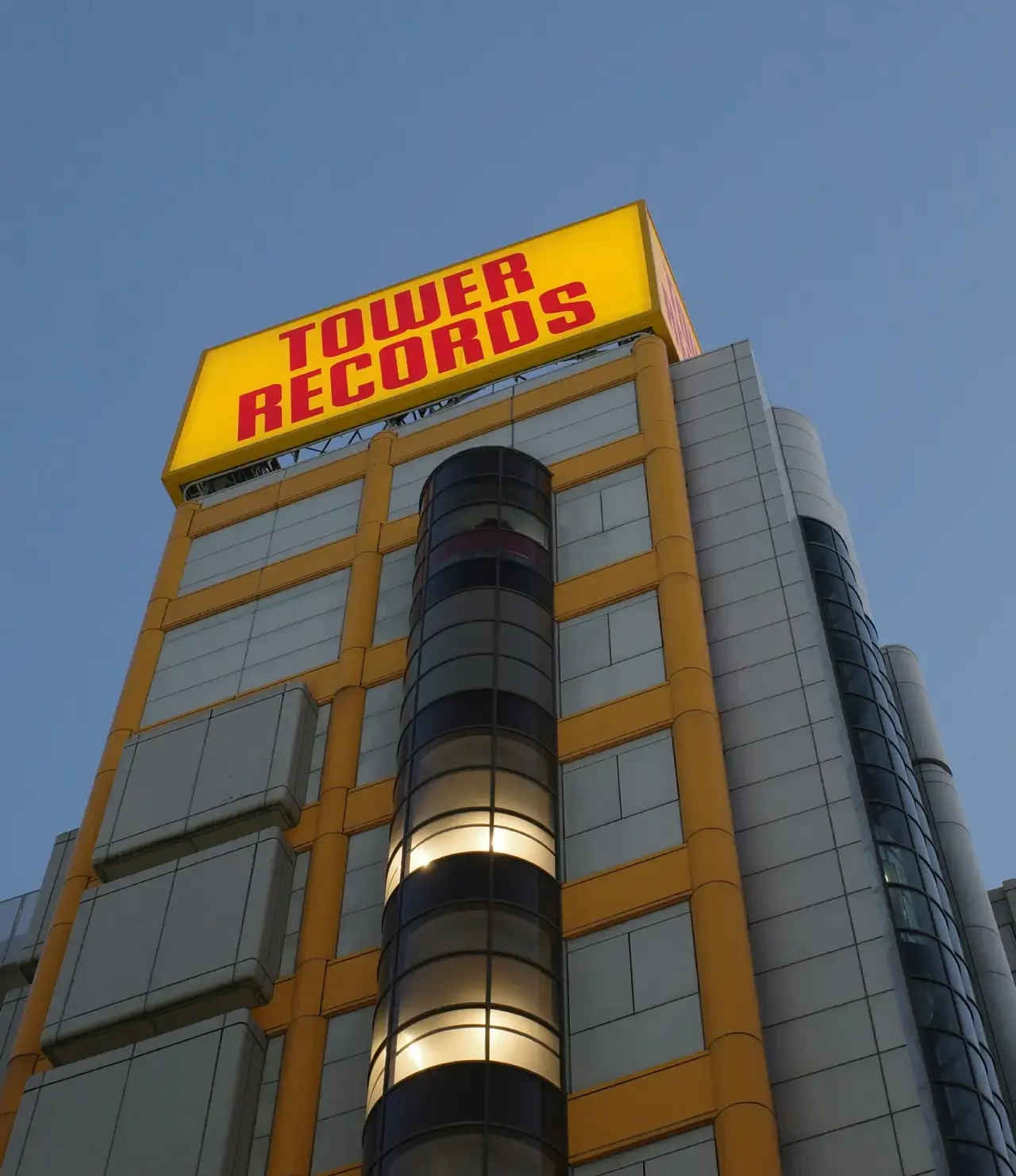
Photo by LM K.:https://unsplash.com/es/@piglet11
Center Gai Street
Center Gai is one of the most energetic streets in Shibuya and probably the best place to feel the district’s street culture in its purest form. Just steps away from the Shibuya Crossing, this narrow pedestrian street is packed with shops, neon signs, fast food spots, arcades, and constant movement from morning until late at night.
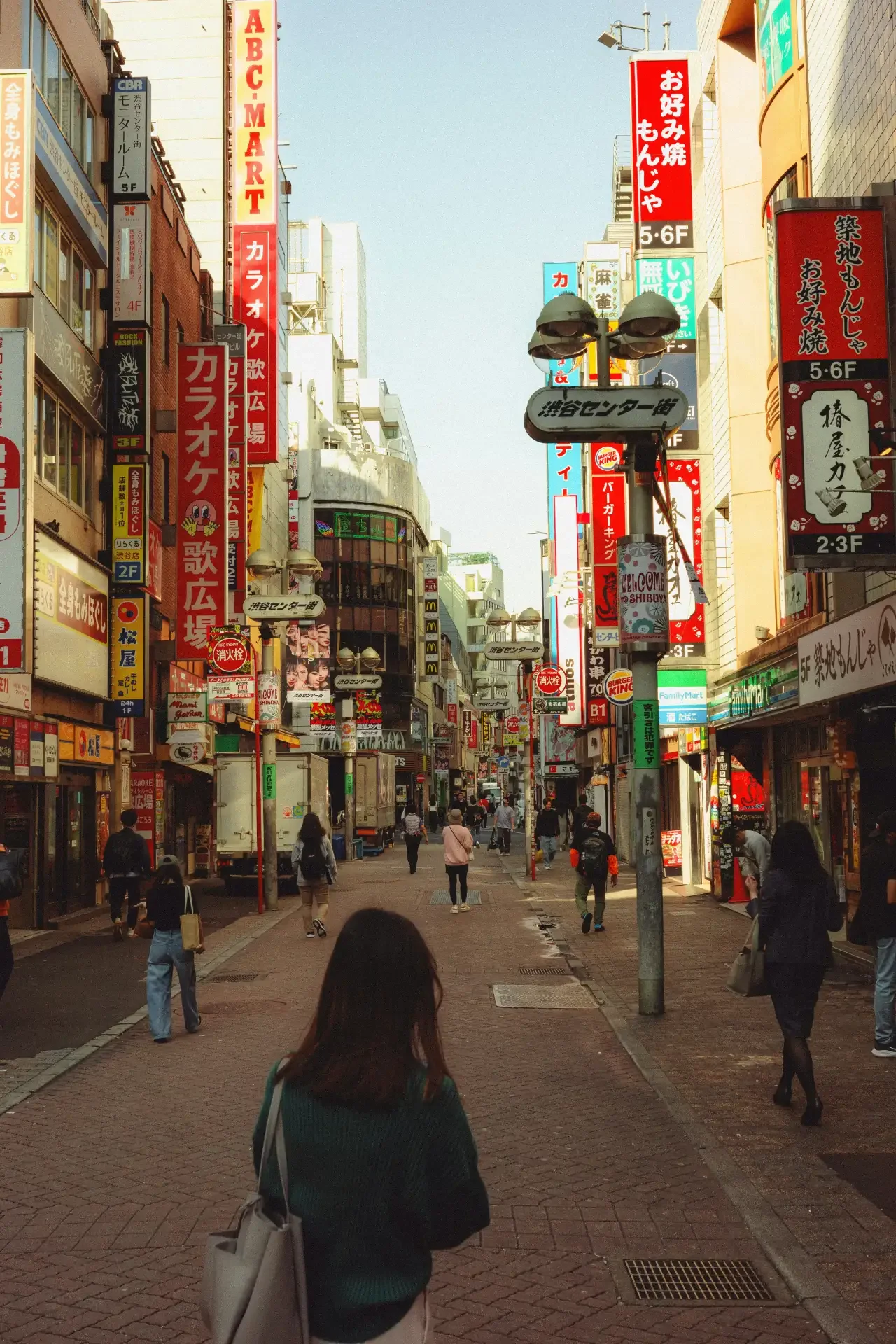
Photo by Darwin Vegher: https://unsplash.com/es/@darwiiiin
Here you’ll find a mix of streetwear stores, sneaker shops, budget fashion, and small multi-brand stores that reflect Tokyo’s fast-changing trends. It’s not a polished shopping experience like inside malls, but that’s exactly the point: everything feels more chaotic, more local, and more alive.
Some standout types of places you’ll see in Center Gai include sneaker and street fashion stores, where brands like Nike, Adidas, and Japanese street labels rotate collections frequently, and small independent shops selling unique or limited items. It’s also common to find arcades and game centers, where people stop for a quick break between shopping and walking.
Food is another big part of the experience. From cheap ramen shops and fast-food spots to small izakayas tucked upstairs, Center Gai is where many locals and tourists grab something quick without overthinking it. It’s not about fine dining here, it’s about energy, speed, and convenience.
Overall, Center Gai is where Shibuya feels the most raw and unfiltered. If Shibuya Crossing is the postcard, this street is the heartbeat behind it.
Plan your trip to Japan
Best Places to Eat in Shibuya
Shibuya is one of the easiest places in Tokyo to eat well without overthinking it. Around the Shibuya Crossing you’ll find everything from quick ramen stops to proper sit-down izakayas, and the best part is that most of it is packed within a few streets.
🍣 Uobei Shibuya Dogenzaka
A super fun conveyor-belt sushi experience where everything is ordered on a screen and delivered directly to your seat at high speed. It’s cheap, fast, and surprisingly good for the price.
🍜 Ichiran Ramen Shibuya
One of the most famous ramen chains in Japan. You sit in individual booths, customize your ramen exactly how you like it, and focus purely on the food. Simple, but very effective.
🍖 Genki Sushi Shibuya
Another conveyor-belt style sushi spot, but with a more playful system and great variety. Perfect if you want something quick and casual without sacrificing quality.
🥩 Han no Daidokoro (Shibuya Branch)
If you want something more premium, this is a solid wagyu BBQ spot where you grill your own meat at the table. A bit more expensive, but great for a proper dinner experience.
Shibuya Nightlife
Shibuya really changes character once the sun goes down. The energy around the Shibuya Crossing shifts from shopping and sightseeing to neon lights, music, and people just going out for no reason other than to enjoy the night.
One of the most iconic areas is Center Gai, where the streets stay packed well into the night. You’ll find everything here: small bars, fast food spots, arcades, and groups of friends moving from place to place. It’s loud, crowded, and a bit chaotic, but that’s exactly what makes it fun.
If you’re looking for something more structured, Dogenzaka is where a lot of izakayas and karaoke spots are concentrated. It’s a great area to start a night out, especially if you want that classic Japanese drinking + food experience without going too far.
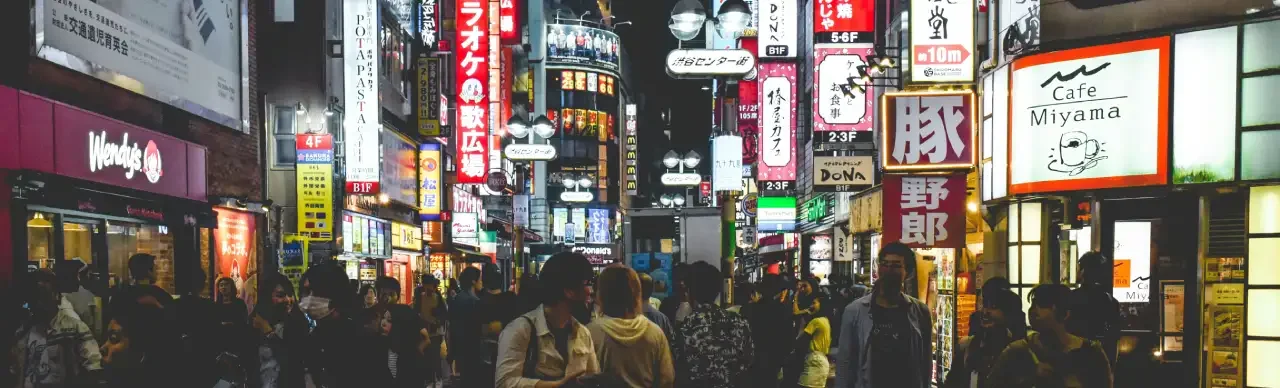
Photo by Hugh Han:https://unsplash.com/es/@hughhan
For something more energetic, Shibuya also has a strong club scene, with venues playing everything from EDM to hip-hop. Places like WOMB or Club Camelot are well-known, especially on weekends when the district is at its busiest.
But nightlife in Shibuya isn’t only about clubs or bars. A big part of the experience is simply walking around, grabbing something to eat late at night, and watching the city move. Even the crossings feel different after midnight, when the crowds thin out but the lights never really turn off.
In short, Shibuya at night is less about planning and more about getting lost in it.
Red Bar Shibuya
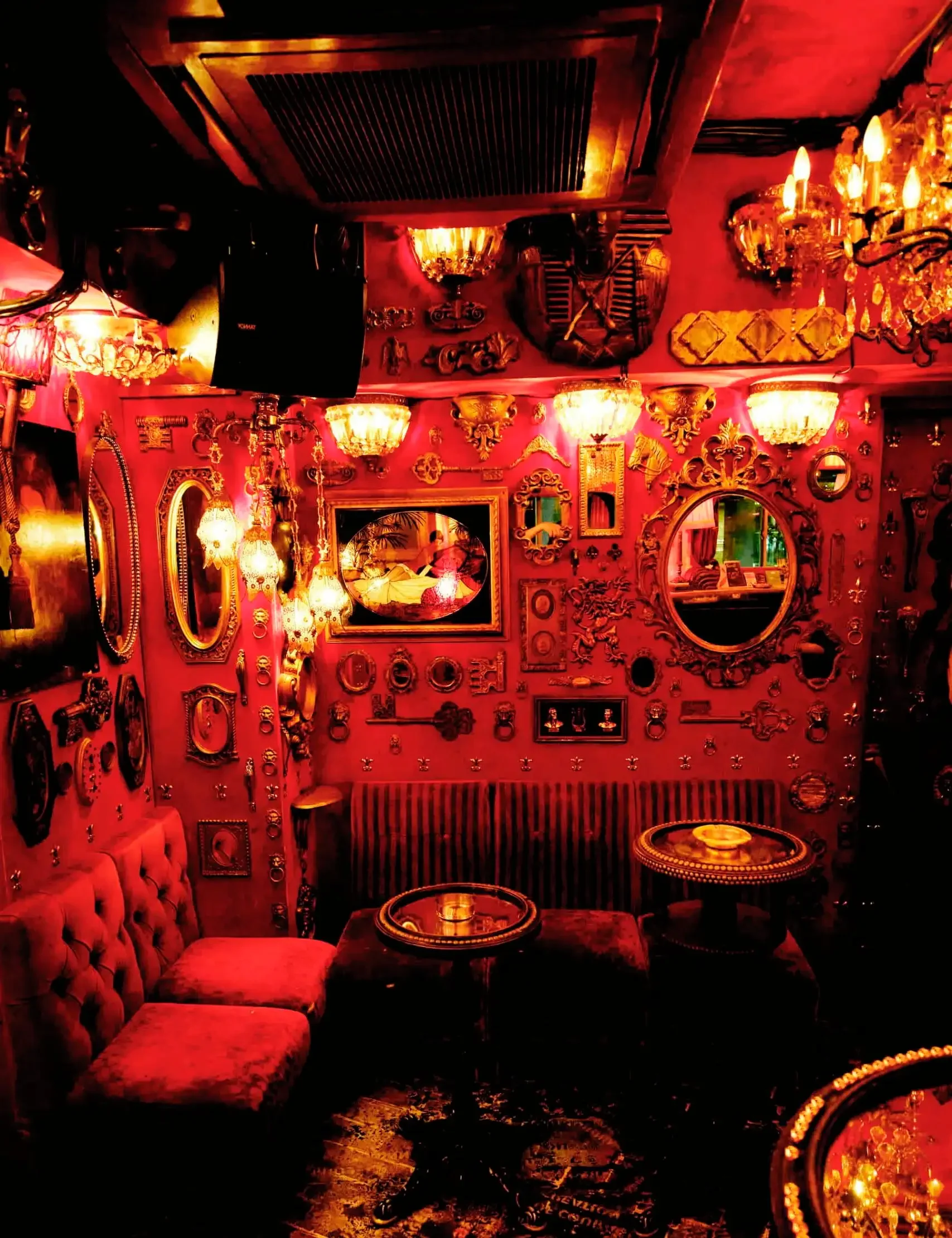
Red Bar Shibuya is one of those small, low-key spots that feels like a good break from the intensity of the Shibuya Crossing area. Tucked away from the main streets, it’s a simple but stylish bar with a relaxed atmosphere, perfect if you want something more intimate than the usual busy nightlife spots.
The vibe is quite minimal: dim lighting, a cozy counter, and a focus on well-made drinks rather than loud music or crowds. It’s the kind of place where you can actually sit down, talk, and slow things down for a while after wandering around Shibuya.
What makes it interesting is that it attracts a mix of locals and travelers, but without feeling touristy. It’s not trying to be flashy, which is exactly why it works so well in a district that can sometimes feel overwhelming.
If you’re exploring Shibuya at night and want a place to start (or end) the evening on a calmer note, Red Bar is a solid, easy recommendation.
How to Get to Shibuya
Before diving into how to get there, it’s worth knowing that Shibuya Station is one of Tokyo’s main transport hubs, so getting here is usually very straightforward. Several major train lines pass through it, including the JR Yamanote Line, which connects all the key areas in central Tokyo, as well as other important lines like the JR Saikyo Line, Tokyo Metro Ginza Line, Hanzomon Line, and Fukutoshin Line.
This means Shibuya is directly or easily accessible from most of Tokyo’s top tourist areas. You can reach it in just a few minutes from Shinjuku, around 10 minutes from Harajuku, and roughly 20–25 minutes from Tokyo Station. It’s also very well connected to other popular districts like Ueno (via transfers), Akihabara (via JR + Yamanote Line), and even areas like Roppongi or Asakusa with simple one-transfer routes.
In short, Shibuya is one of the easiest places in Tokyo to reach no matter where you’re staying, which is exactly why it ends up being part of almost every itinerary.
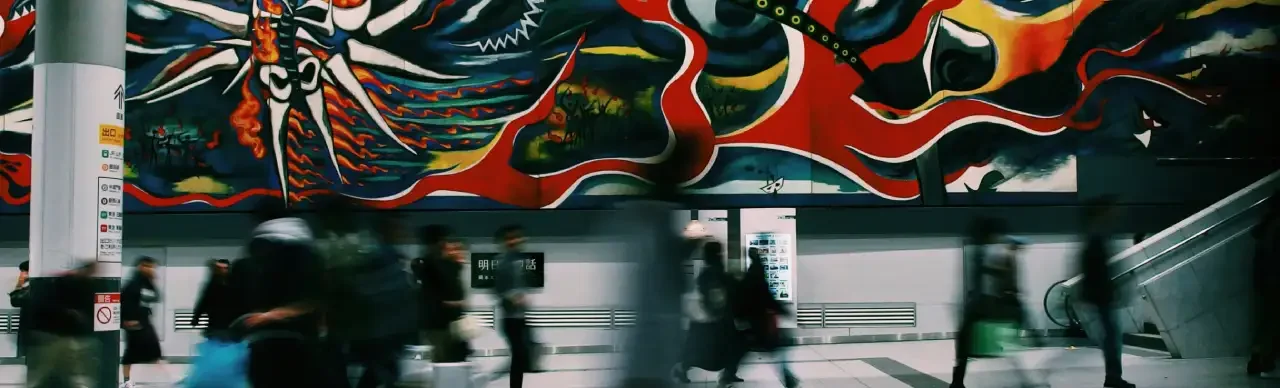
Photo by Yu Kato: https://unsplash.com/es/@yukato
Getting to Shibuya is very easy, which is part of the reason why it’s one of the most visited areas in Tokyo. The district is extremely well connected by train, and most major lines will take you there directly or with just one transfer.
The main station is Shibuya Station, which sits right next to the Shibuya Crossing. Once you exit, you’re basically already in the heart of the action, surrounded by shopping streets, restaurants, and all the main attractions.
From Shinjuku, it takes around 5–7 minutes on the JR Yamanote Line, making it one of the easiest connections in the city. From Tokyo Station, you can also take the Yamanote Line, which takes roughly 20–25 minutes depending on stops.
If you’re coming from areas like Harajuku or Omotesando, it’s even simpler, as they’re just one stop away on the same line or a short walk in some cases. This makes it very easy to combine Shibuya with other central Tokyo neighborhoods in the same day.
Overall, Shibuya is one of those places you don’t really need to plan too much for. If you’re in Tokyo, you’re never far away.
Hidden Gems in Shibuya
Beyond the chaos of the Shibuya Crossing and the main shopping streets, Shibuya has a quieter side that most people completely miss if they stick to the obvious spots.
One of the best areas to explore is the backstreets around Udagawacho and Nonbei Yokocho, where you’ll find tiny bars, old-school izakayas, and a much more local atmosphere. It’s the kind of place where you suddenly feel like you’ve stepped out of the main tourist flow.
Another underrated spot is Shibuya Stream, a more modern development along the river. It’s less chaotic than the main station area, with cafés, restaurants, and a relaxed walkway that feels completely different from the energy of Center Gai.
If you’re into cafés, Shibuya also has a growing specialty coffee scene hidden inside office buildings and side streets. Places like small third-wave coffee shops often go unnoticed but offer a great break from the intensity of the district.
Finally, simply getting lost a few streets away from the main crossing is probably the best “hidden gem” of all. Shibuya is so dense that just turning a corner can take you from neon chaos to quiet residential streets in under a minute.
Miyashita Park (Urban Park in the Sky)
One of the most interesting recent additions to Shibuya is Miyashita Park, a modern urban park built on top of a commercial complex, just a short walk from the Shibuya Crossing.
What used to be a simple public park has been completely redesigned into a multi-level space that combines green areas, shops, restaurants, and sports facilities all in one elevated structure. It feels a bit surreal at first, because you’re literally walking above the city, surrounded by buildings and neon lights.
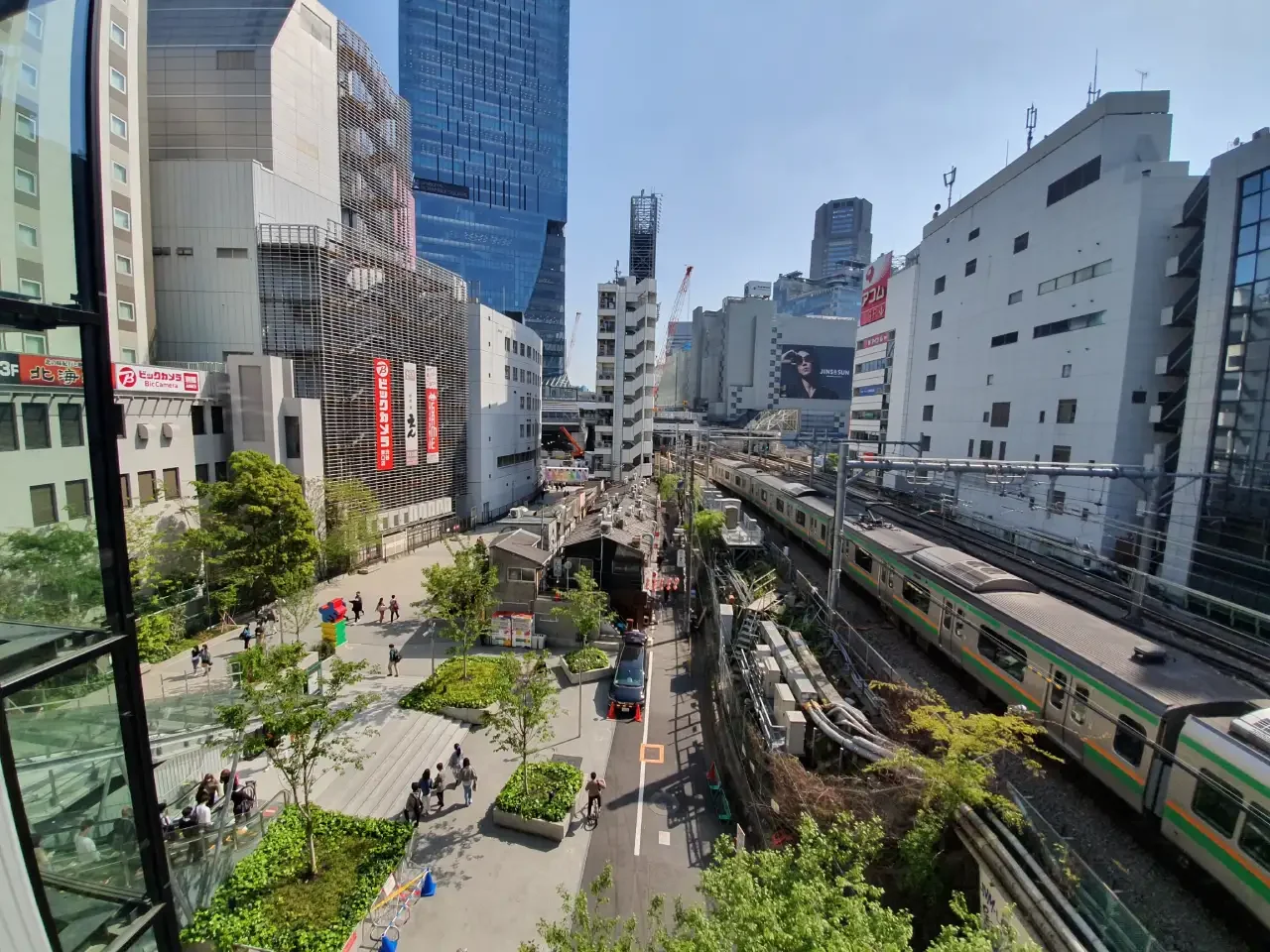
During the day, it works as a relaxing break from the intensity of Shibuya, with open spaces, benches, and cafés where you can slow down for a bit. At night, the atmosphere changes completely, with the surrounding lights of Shibuya reflecting off the structure and giving it a very urban, almost cinematic vibe.
It’s not a “must-see” in the same way as Shibuya Crossing, but it’s a great example of how the area is constantly evolving and blending public space with city life in a very Tokyo way.
Suggested Itinerary (2–4 hours / half day / night visit)
Shibuya can be overwhelming if you don’t plan it a bit, so here are a few simple ways to experience it depending on how much time you have around the Shibuya Crossing.
2–4 hours (quick visit)
If you’re short on time, focus on the essentials:
Start at the Shibuya Crossing to feel the energy of the area, then walk over to the Hachikō Statue for the classic photo stop. After that, head up to Shibuya Sky for one of the best views of Tokyo. If you still have time, grab a quick coffee or snack nearby before moving on.
Half day visit
With more time, you can slow things down a bit:
Start with the crossing and Hachikō, then explore the shopping streets around Center Gai. From there, visit places like Shibuya 109, Nintendo Tokyo, or the Pokémon Center Shibuya inside Shibuya PARCO. Finish with Shibuya Sky for sunset if you can time it right.
One thing to keep in mind about Shibuya is that it’s packed with shopping malls, underground passages, and connected buildings, so it actually works really well as a shelter when the weather changes suddenly.
Night visit
Shibuya at night feels like a completely different city:
Begin with dinner at an izakaya or ramen spot, then wander through Center Gai and nearby streets. You can stop by arcades, grab drinks, or just walk around and soak up the atmosphere. End the night at Miyashita Park, which gives a more relaxed contrast to the chaos below.