Toshogu Shrine - Nikko
Discover Toshogu Shrine
Overview
Toshogu Shrine is the most important and visually striking site in Nikko, dedicated to Tokugawa Ieyasu, the founder of the Tokugawa shogunate. Unlike most Japanese shrines, which tend to favor simplicity and natural materials, Toshogu stands out for its lavish decoration, vibrant colors, and intricate craftsmanship, making it one of the most unique religious complexes in the country.
Set within a dense cedar forest at the base of the mountains, the shrine blends nature, spirituality, and political symbolism. Its buildings are richly adorned with gold leaf, detailed wood carvings, and symbolic motifs, reflecting both the power of the Tokugawa clan and the desire to deify Ieyasu after his death.
Designated as part of the UNESCO World Heritage Site "Shrines and Temples of Nikko", Toshogu is not just a historical monument but a must-visit cultural highlight. It offers a completely different atmosphere compared to Tokyo’s temples, combining grandeur and serenity in a setting that feels both sacred and immersive.
History
Toshogu Shrine was originally built in 1617 to enshrine Tokugawa Ieyasu, the founder of the Tokugawa shogunate, who brought more than 250 years of peace and stability to Japan. After his death in 1616, Ieyasu was deified and honored as Tosho Daigongen, a powerful protector spirit believed to watch over the nation.
The shrine you see today largely dates from 1636, when it was extensively expanded and transformed under the orders of his grandson, Tokugawa Iemitsu. Rather than a simple memorial, Iemitsu commissioned a grand and elaborate complex designed to showcase the power, wealth, and legitimacy of the Tokugawa family. This is why Toshogu differs so dramatically from other shrines, featuring ornate decorations, gold leaf, and highly detailed carvings.
Over the centuries, Toshogu has been carefully preserved and restored, maintaining its status as one of Japan’s most important cultural and historical landmarks. Its architecture blends Shinto and Buddhist elements, reflecting the syncretic religious practices of the time before the two traditions were officially separated during the Meiji period.
Today, Toshogu stands not only as a shrine, but as a symbol of political authority, spiritual belief, and artistic achievement, offering visitors a deep insight into one of the most influential periods in Japanese history.
What to See
Toshogu Shrine is packed with symbolic details and intricate elements, so it’s worth exploring slowly and paying attention to the craftsmanship rather than rushing through.
The Yomeimon Gate is the most iconic structure in the complex and often considered one of the most beautiful gates in Japan. Covered in gold leaf and detailed carvings, it features hundreds of figures and patterns, each with symbolic meaning. It’s sometimes called the “Gate of the Setting Sun” because you could look at it all day without getting bored.
The Three Wise Monkeys are one of the most famous carvings in Japan, depicting “see no evil, hear no evil, speak no evil.” They are part of a larger series of panels illustrating the stages of life, but most visitors focus on this small but meaningful detail.
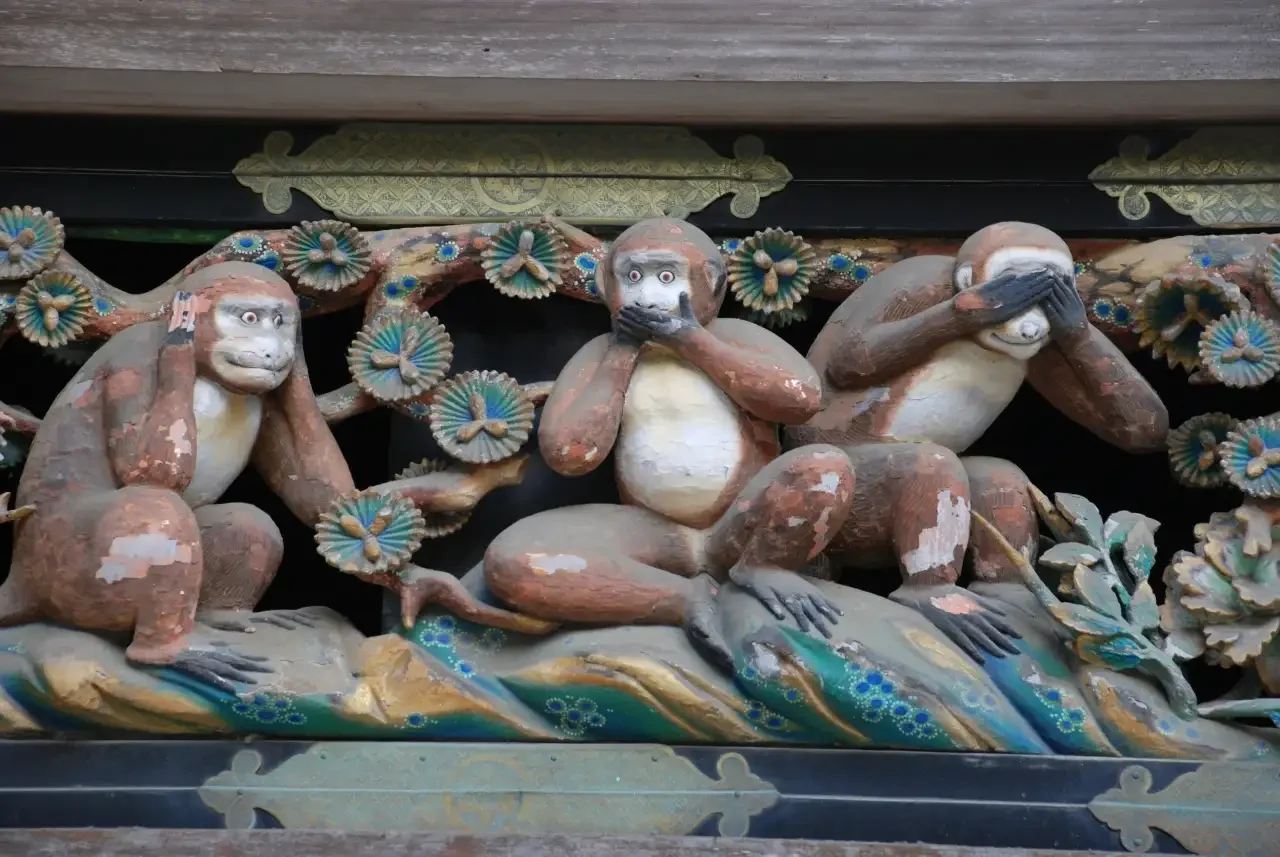
Photo by HUNTER LEONARD: https://unsplash.com/@bluefrog1965
The Sleeping Cat (Nemuri-neko) is another highlight, located above a small gate near the inner shrine. Despite its size, it’s one of the most admired carvings, often interpreted as a symbol of peace and stability during the Tokugawa era.
The Main Hall (Honden and Haiden) forms the spiritual heart of the shrine, where Tokugawa Ieyasu is enshrined. The buildings are richly decorated and connected in a unique architectural style that blends Shinto and Buddhist influences.
The Sacred Stable is where the monkey carvings are located, but it’s also interesting as a symbolic structure representing protection and harmony.
The Path to Ieyasu’s Tomb leads through a quiet forested area via a long staircase. This part of the visit feels very different from the ornate main complex, offering a more peaceful and reflective atmosphere as you approach the final resting place of Ieyasu.
Five-Story Pagoda stands near the entrance and, although technically separate from the main shrine complex, it’s an impressive structure worth noticing for its height and traditional design.
Take your time here, as many of the details are easy to miss but add a lot to the overall experience.
Cultural Tips & Etiquette
Visiting Toshogu Shrine is a cultural experience as much as a sightseeing stop, so it’s important to follow basic shrine etiquette and be mindful of the sacred nature of the site.
Before entering, you may notice the torii gate, which marks the transition from the secular world into a sacred space. It’s customary to pass through it respectfully, avoiding walking directly in the center path if possible, as this is traditionally reserved for deities.
At the purification fountain near the entrance, it’s recommended to perform a simple temizu ritual: wash your left hand, then your right, rinse your mouth (spit discreetly into the stone basin, not back into the water), and finally cleanse the ladle handle before returning it.
Inside the shrine areas, keep your voice low and maintain a respectful tone. Toshogu is not just a tourist attraction but an active spiritual site, so quiet behavior is appreciated, especially near the main hall and prayer areas.
If you choose to pray, follow the standard practice: toss a coin (commonly 5 yen as it symbolizes good connections), bow twice, clap twice, make your wish or prayer, and bow once more.
Photography is generally allowed in outdoor areas, but avoid using flash indoors or in restricted spaces, and always respect signage indicating no-photo zones.
Dress code is not strict, but modest and comfortable clothing is recommended. Since you will walk a lot, including stairs and forest paths, comfortable shoes are highly advisable.
Finally, avoid touching carvings or structures. Many of them are centuries old and extremely delicate, even if they look close and accessible.
Practical Info
Opening hours: Toshogu Shrine is generally open from 8:00 to 17:00 (April to October) and 8:00 to 16:00 (November to March). Last entry is usually 30 minutes before closing, so it’s better to arrive earlier in the day to explore comfortably.
Entrance fee: Access to the main shrine area costs approximately 1,300 JPY for adults and 450 JPY for children. There is also a small additional fee if you want to enter specific inner areas or combined tickets that include other nearby temples in Nikko.
Official website: https://www.toshogu.jp/
Best ticket option: Tickets are purchased on-site at the entrance, and queues are usually manageable except during peak autumn foliage season and Golden Week.
Facilities: There are restrooms near the entrance and within the complex, as well as small shops and souvenir stalls selling traditional crafts and omamori (protective charms). Some areas have vending machines, but food options inside the shrine are limited.
Accessibility: The site is partially accessible, but it includes many stairs, uneven stone paths, and forest trails, especially if you visit the inner shrine and Ieyasu’s mausoleum. It may be challenging for visitors with reduced mobility.
Time needed: A full visit typically takes 1.5 to 2.5 hours, depending on how much time you spend exploring details and walking to the upper forest areas.
Crowds: Toshogu can get very busy, especially on weekends, autumn season (October–November), and during Japanese holidays. Early morning visits are strongly recommended for a more peaceful experience.
How to Get There
Toshogu Shrine is located in Nikko, in Tochigi Prefecture, and is easily reachable as a day trip from Tokyo.
The most common route is by train. From Tokyo (Asakusa Station), take the Tobu Limited Express “SPACIA” or “Revaty” to Tobu-Nikko Station, which takes around 1 hour 50 minutes to 2 hours. This is the most direct and convenient option.
Alternatively, you can take the JR Tohoku Shinkansen from Tokyo or Ueno Station to Utsunomiya Station (around 50–60 minutes), and then transfer to the JR Nikko Line to reach JR Nikko Station (about 45 minutes). This route is slightly more flexible if you already have a JR Pass.
From both Tobu-Nikko Station and JR Nikko Station, Toshogu Shrine is about 2 km away. You can reach it in approximately 10 minutes by bus or around 30–40 minutes on foot.
Local buses heading to the World Heritage Area (Shinkyo / Toshogu / Rinnoji stops) are frequent and clearly signposted. The stop you want is typically “Toshogu-mae”, which drops you very close to the entrance.
If you prefer walking, the route is pleasant and scenic, passing through Nikko’s main street and forested surroundings, but keep in mind it includes a gentle uphill section.
During peak seasons, buses can get crowded, so walking is often a good alternative if the weather is nice.
Best Time to Visit
The best time to visit Toshogu Shrine is during spring (April to June) and autumn (October to early November), when the surrounding forest is at its most beautiful and the atmosphere feels especially magical.
In spring, the weather is mild and comfortable, and although Toshogu is not famous for cherry blossoms like Tokyo or Kyoto, the fresh greenery of the cedar forest creates a very serene and vibrant setting.
In autumn, the area becomes one of the most spectacular spots in Nikko thanks to the autumn foliage (koyo). The contrast between the red and orange leaves and the richly decorated shrine buildings is particularly striking, but this is also the busiest season, so expect crowds and higher traffic.
Summer (July to September) is greener and quieter, with fewer tourists, but it can be humid and rainy. It’s still a good option if you prefer a more relaxed visit and don’t mind occasional showers.
Winter (December to March) offers a very different experience. The shrine is often covered in snow, creating a quiet and almost mystical atmosphere. However, some paths can be slippery, and daylight hours are shorter, so planning your visit earlier in the day is recommended.
To avoid crowds in general, the best time of day is early morning (right at opening time). This allows you to enjoy the site before tour groups arrive and gives you a much more peaceful experience of the shrine complex.
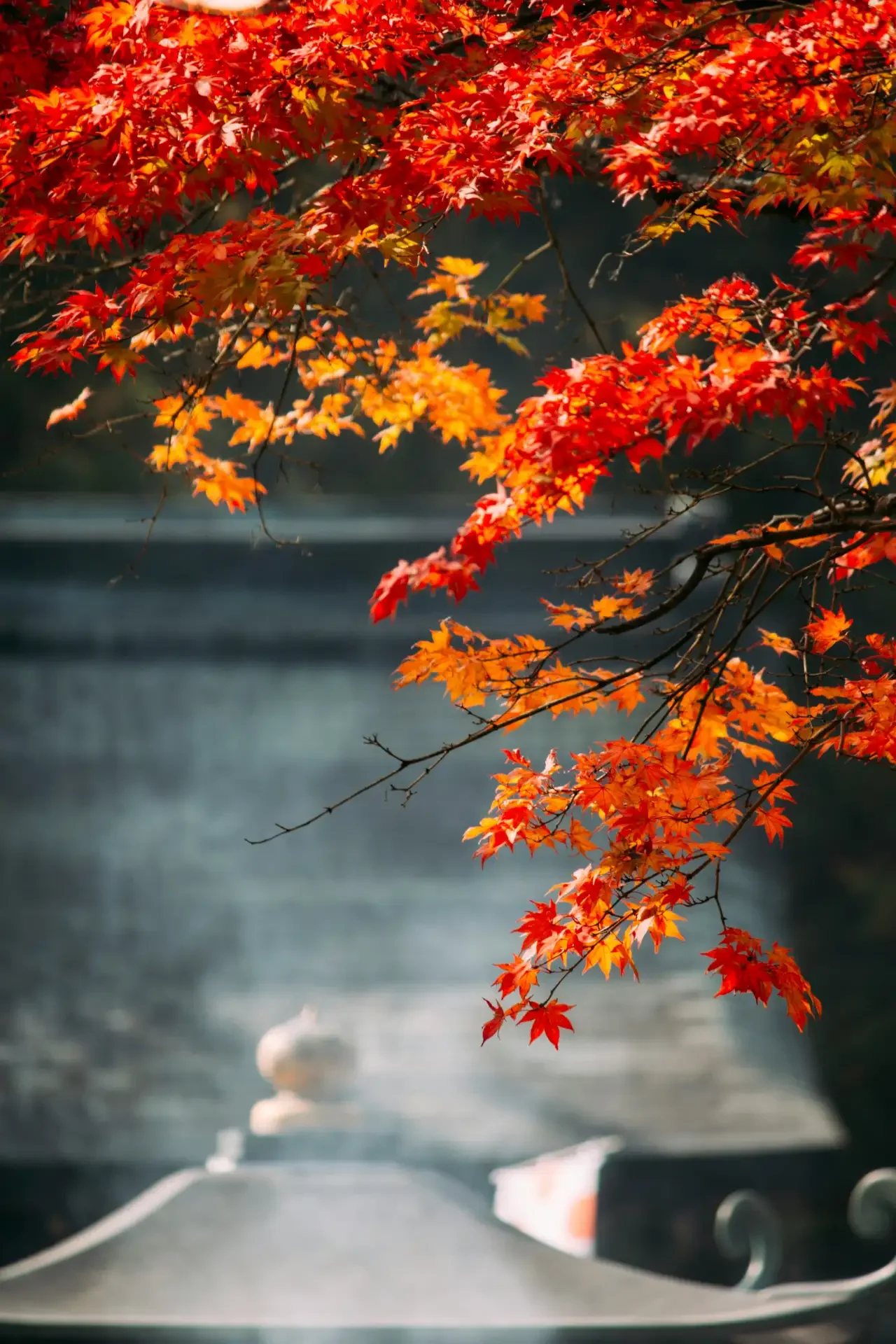
Photo by Atul Vinayak: https://unsplash.com/@atulvi
Nearby Highlights
The area around Toshogu Shrine is part of the wider Nikko UNESCO World Heritage zone, so you can easily combine your visit with several other major cultural and natural attractions within walking distance.
Just a short walk away you’ll find the Futarasan Shrine, one of Nikko’s oldest Shinto shrines. It has a much simpler and more traditional feel compared to Toshogu, offering a calm contrast after the ornate decorations of the main complex.
Right next to Toshogu is the Rinnoji Temple, an important Buddhist temple in Nikko known for its large golden statues of Amida, Senju Kannon, and Bato Kannon. The main hall, Sanbutsudo, is one of the most impressive wooden structures in the area.
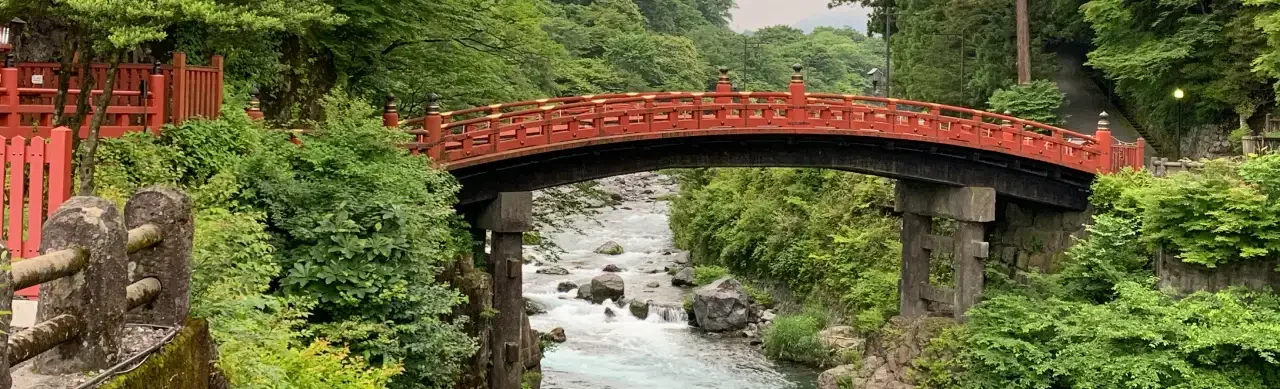
A few minutes downhill, you’ll reach the iconic Shinkyo Bridge, a striking red bridge that marks the entrance to Nikko’s sacred area. It’s one of the most photographed spots in the region and offers a great viewpoint over the river gorge.
If you continue slightly further, you can explore the Nikko Museum of Art and Nature surroundings, as well as small cafés and traditional shops along the main approach road, perfect for a short break.
For nature lovers, the surrounding area also connects to the route toward Nikko National Park, where you can find waterfalls, lakes, and hiking trails if you plan to extend your stay beyond a day trip.
Together, these nearby highlights make Toshogu not just a single stop, but the center of a full cultural and nature experience in Nikko.
Travel Tips (Trinuki Notes)
Start early and go straight to Toshogu first
Toshogu Shrine is the most visited site in Nikko, so it gets crowded quickly. Arriving early in the morning lets you enjoy the complex with fewer groups and better photo conditions before the buses from Tokyo arrive.
Combine it with the World Heritage loop
Don’t treat Toshogu as an isolated stop. It works best as part of the Nikko World Heritage area circuit, including Rinnoji Temple, Futarasan Shrine, and Shinkyo Bridge. Everything is walkable and can comfortably fill half a day.
Cash is still useful
Although Japan is increasingly cashless, many small ticket booths, omamori stalls, and nearby food spots still prefer cash (yen), especially in Nikko.
Expect stairs and uneven paths
Even though the main shrine is accessible, key highlights like the inner shrine and forest mausoleum involve steep stairs and stone paths. Take it slow and wear comfortable shoes.

Related Article
Autumn is beautiful but busy
If you visit during koyo season (late October–early November), expect heavy crowds and traffic. Consider weekday visits or arriving before 9:00.
Allow extra time for details
Toshogu is not just about the main buildings. The value is in the small carvings, hidden symbols, and layered architecture, so rushing through means missing most of what makes it special.
Weather changes quickly in Nikko
The area is more mountainous than Tokyo, so it can be cooler and rainier. Bring a light jacket or umbrella even if the forecast looks fine.
Don’t skip the forest path to Ieyasu’s tomb
Many visitors stop at the main hall, but the short hike to the Tokugawa Ieyasu mausoleum is one of the most atmospheric parts of the visit and often much quieter.
Good pairing with a day trip plan
Toshogu fits perfectly into a single-day Nikko itinerary from Tokyo, especially if combined with Shinkyo Bridge and Rinnoji before heading back in the afternoon.
Related articles
No related articles yet.
About Toshogu Shrine
Quick facts
Location
Lat: 36.758900 Long: 139.598600