Imperial Palace, Tokyo - Tokyo
Discover Imperial Palace, Tokyo
Overview
The Imperial Palace is the official residence of Japan’s Imperial Family and one of the most important landmarks in Tokyo. Located in the heart of Chiyoda, it is surrounded by wide moats, stone walls, and carefully maintained gardens that create a striking contrast with the surrounding modern skyscrapers. While the inner palace grounds are not generally open to the public, the exterior areas and selected gardens offer visitors a rare glimpse into Japan’s imperial heritage.
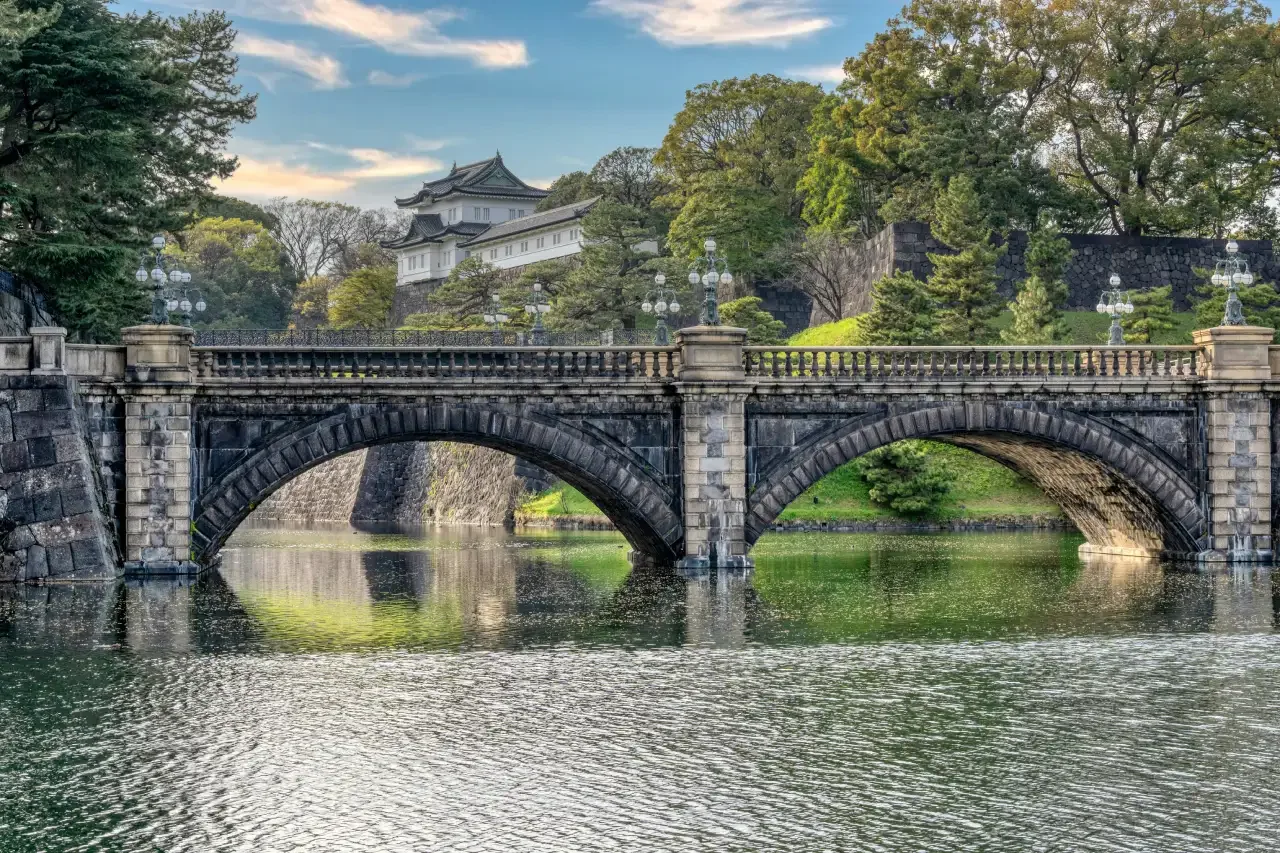
Photo by Michael Heise: https://unsplash.com/@momheise
Today, the Imperial Palace remains a symbol of continuity and tradition in the center of a rapidly evolving city. Its peaceful atmosphere, historic architecture, and iconic views such as the Nijubashi Bridge make it one of the most meaningful cultural stops in Tokyo, especially for those interested in Japan’s history and identity.
History
The history of the Imperial Palace begins with Edo Castle, constructed in the 15th century by the samurai Ōta Dōkan. Later, it became the stronghold of the Tokugawa shogunate in 1603, marking the start of the Edo period, when Tokyo (then Edo) functioned as the political center of Japan for more than 250 years.
With the Meiji Restoration in 1868, political power was returned to the Emperor, and the capital was moved from Kyoto to Tokyo. Edo Castle was transformed into the Imperial Residence, symbolizing the shift from feudal rule to a modern imperial state. The area was redesigned to serve as the residence of Japan’s Imperial Family, while still preserving elements of the former castle structure.
Over time, much of the original complex was lost due to fires, earthquakes, and World War II bombings, which heavily damaged the site. The current palace buildings were rebuilt after the war in a more modern architectural style, but key historical features such as moats, stone walls, and gates from the Edo Castle era were carefully preserved.
Today, the Imperial Palace stands as a powerful symbol of continuity between Japan’s feudal past and its modern identity, combining historical depth with a highly protected and ceremonial role at the heart of Tokyo.
What to See
The Imperial Palace area offers several key sights that allow visitors to experience its history and atmosphere from the outside and surrounding grounds.
One of the most iconic views is the Nijubashi Bridge, often considered the symbolic entrance to the Imperial Palace. Its elegant double-arched structure reflected in the moat is one of the most photographed spots in Tokyo and represents the formal access point to the inner palace grounds.
Another highlight is the Otemon Gate, one of the main historical entrances to the former Edo Castle. The massive stone walls and wooden gates showcase the defensive architecture of the original fortress and give a strong sense of its samurai-era past.
The Palace Moat and Stone Walls are also essential to see. The wide water channels and carefully preserved stone fortifications surround the complex, creating a peaceful yet imposing boundary between the palace and the modern city.
From certain viewpoints around the perimeter, visitors can also observe parts of the Imperial Residence buildings, although entry is generally restricted. These structures are used by the Imperial Family for official residence and ceremonies, maintaining the site’s active role in Japanese culture.
Finally, the surrounding gardens and open areas provide scenic walking routes with views of both historical remains and Tokyo’s skyline, making the experience a blend of nature, history, and urban contrast.
East Gardens
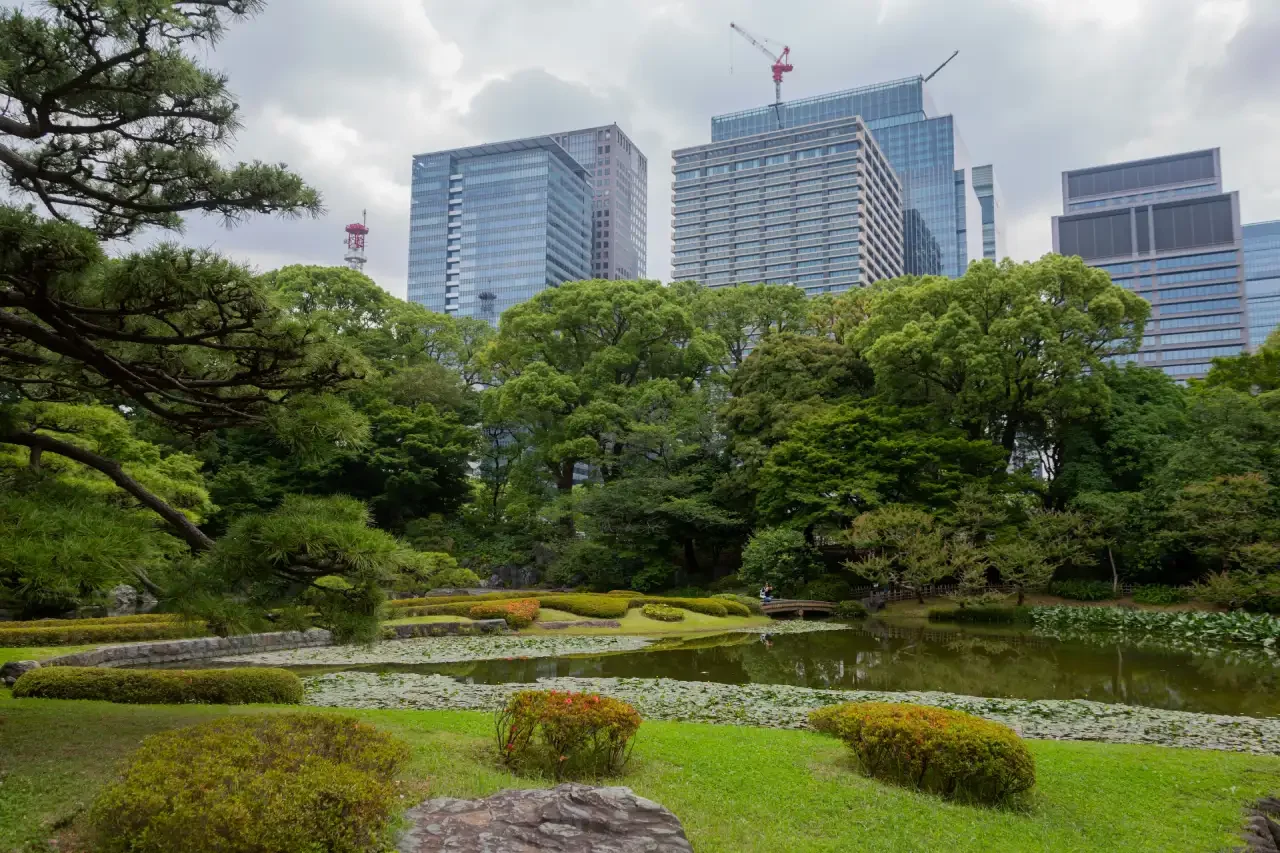
Photo by Sebastian Kurpiel: https://unsplash.com/@sebbykurps
The Imperial Palace East Gardens are one of the few areas of the palace grounds that are regularly open to the public. Located on the site of the former Honmaru and Ninomaru baileys of Edo Castle, they preserve important archaeological remains while offering a calm green space in the center of Tokyo.
Within the gardens, visitors can explore the stone foundations of the old castle, remnants of watchtowers, and reconstructed gate areas that help visualize the scale and structure of Edo-period fortifications. Informational signs throughout the area provide historical context, making it both a relaxing and educational experience.
The gardens are also known for their seasonal beauty, with cherry blossoms in spring, lush greenery in summer, and colorful foliage in autumn. Wide walking paths, open lawns, and carefully maintained landscaping make it a popular spot for both locals and visitors seeking a quiet escape from the city.
Despite being part of the Imperial complex, the East Gardens are fully accessible to the public without reservation on most days (except Mondays and Fridays, and certain holidays). This makes them one of the best ways to experience the Imperial Palace area up close.
Nijubashi Bridge
The Nijubashi Bridge is one of the most iconic and symbolic landmarks associated with the Imperial Palace. Located at the main entrance to the inner palace grounds, it spans the wide moat in front of the Imperial Residence and is often considered the formal “front door” of the Emperor’s home.
The name “Nijubashi,” meaning “double bridge,” comes from the original wooden structure that once stood here, consisting of two layers of bridges. Today, the current stone bridges were rebuilt in the Meiji era, and they remain one of the most photographed views in Tokyo due to their elegant reflection on the water and the backdrop of the palace walls.
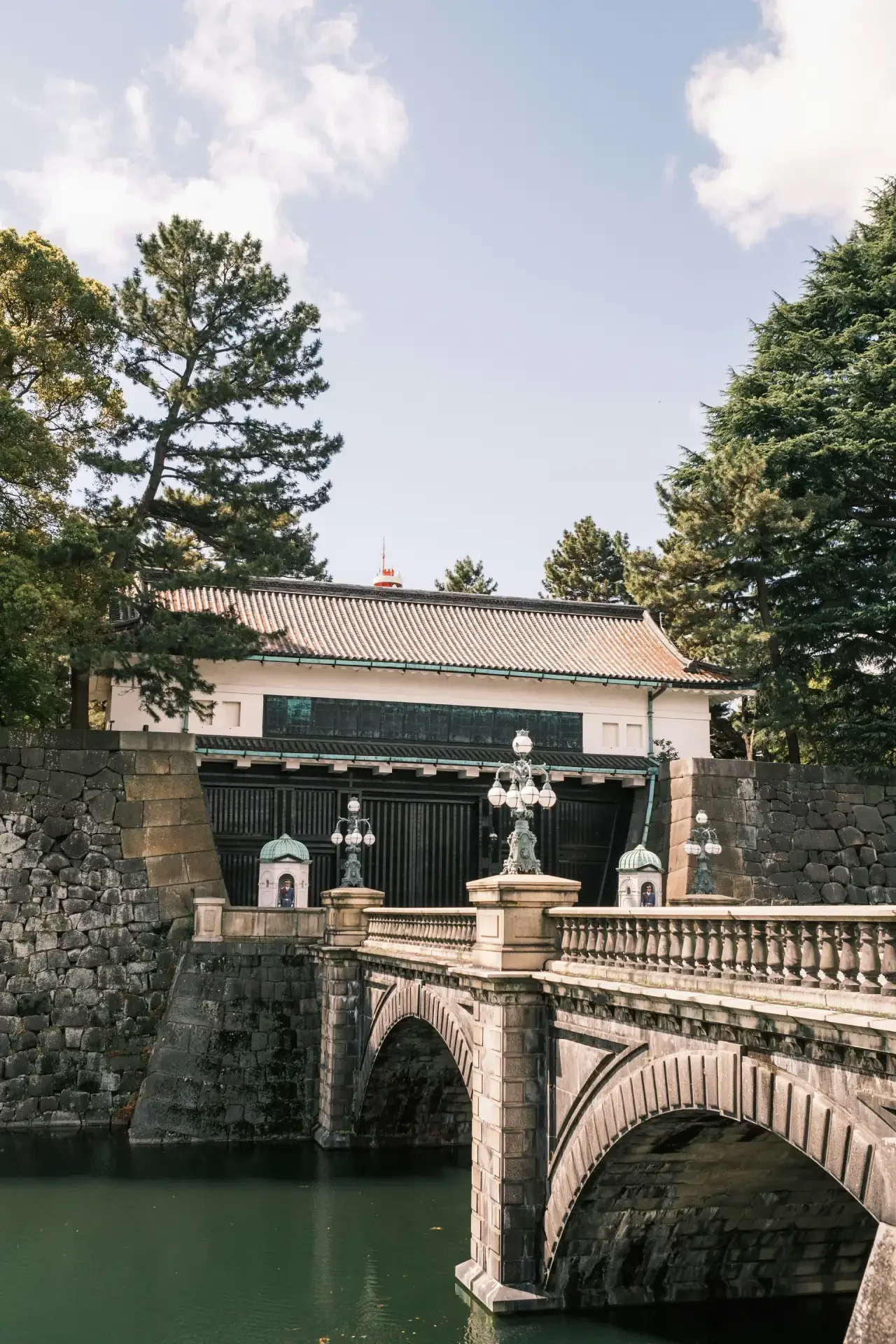
Visitors are generally not allowed to cross the bridges except on rare public openings, but the best-known viewpoint is from the plaza outside the Kikyō-mon Gate, where you can capture the classic postcard view of the bridge, moat, and palace structures behind it.
Nijubashi is not just a scenic spot, but also a strong symbol of Japan’s imperial tradition, often used in official photography and ceremonial imagery representing the Imperial Family.
Imperial Residence (Exterior Views)
The Imperial Residence is the private home of Japan’s Imperial Family and the central functioning area of the Imperial Palace complex. While entry is strictly restricted, visitors can still appreciate several exterior viewpoints from designated public areas around the perimeter.
From spots such as the Kikyō-mon Gate area and nearby plazas, you can observe parts of the palace buildings, including traditional-style roofs, white walls, and carefully maintained courtyards. These views are intentionally limited but designed to preserve the privacy and security of the Imperial Family while still allowing a sense of the scale and presence of the residence.
The surrounding architecture blends modern reconstruction with traditional Japanese aesthetics, reflecting the post-war rebuilding of the palace. Wide moats, stone walls, and controlled landscaping further emphasize the separation between the public city space and the private imperial grounds.
Although you cannot enter this area, the exterior views still offer a meaningful perspective on the living center of Japan’s imperial institution, making it a unique cultural landmark rather than a conventional tourist attraction.
Cultural Significance
The Imperial Palace is one of the most important cultural and symbolic sites in Japan, representing the continuity of the Imperial Family, which is considered the world’s oldest hereditary monarchy. It stands at the heart of Tokyo not only geographically, but also historically and politically as a symbol of national identity.
Beyond its political role, the palace is deeply tied to Japanese tradition, ceremony, and national holidays. Key imperial events such as New Year greetings or official ceremonies are associated with the palace, reinforcing its role as a living institution rather than just a historical monument.
The site also reflects the balance between modern Japan and its historical roots. While Tokyo around it is a global metropolis, the palace grounds preserve a sense of calm, order, and tradition, offering a strong contrast that highlights Japan’s cultural duality.
For many visitors, the Imperial Palace is not just a sightseeing stop, but a place to understand the symbolic meaning of the Emperor in contemporary Japan, as well as the historical transformation from feudal Edo to modern Tokyo.
Practical Info

Related Article
The Imperial Palace area is open year-round, but access varies depending on the specific sections. The East Gardens are the main publicly accessible area and are generally open most days, with closures typically on Mondays, Fridays, and during special imperial events or holidays.
Entry to the East Gardens is free of charge, and no advance reservation is required for standard visits. Security checks are in place at the entrances, so expect a brief bag inspection before entering. Comfortable walking shoes are recommended, as the area is large and mainly consists of paved paths and open gardens.
The inner palace grounds and Imperial Residence itself are not open to the public, except on very limited occasions such as the Emperor’s Birthday and New Year greetings, which require prior registration.
Facilities inside the East Gardens include rest areas, toilets, and small informational displays about the history of Edo Castle. There are no commercial shops inside the main grounds, so it is advisable to bring water, especially in summer.
Photography is allowed in most outdoor areas, but visitors should always respect restricted zones and follow posted signage to ensure security and preservation of the site.
How to Get There
The Imperial Palace is located in central Tokyo, in the Chiyoda area, and is easily accessible by public transport from multiple major stations.
The most convenient access point is Tokyo Station, which is about a 10–15 minute walk to the palace outer grounds and the Imperial Palace East Gardens. From the station’s Marunouchi exits, you can follow clearly marked pedestrian routes leading toward the palace area.
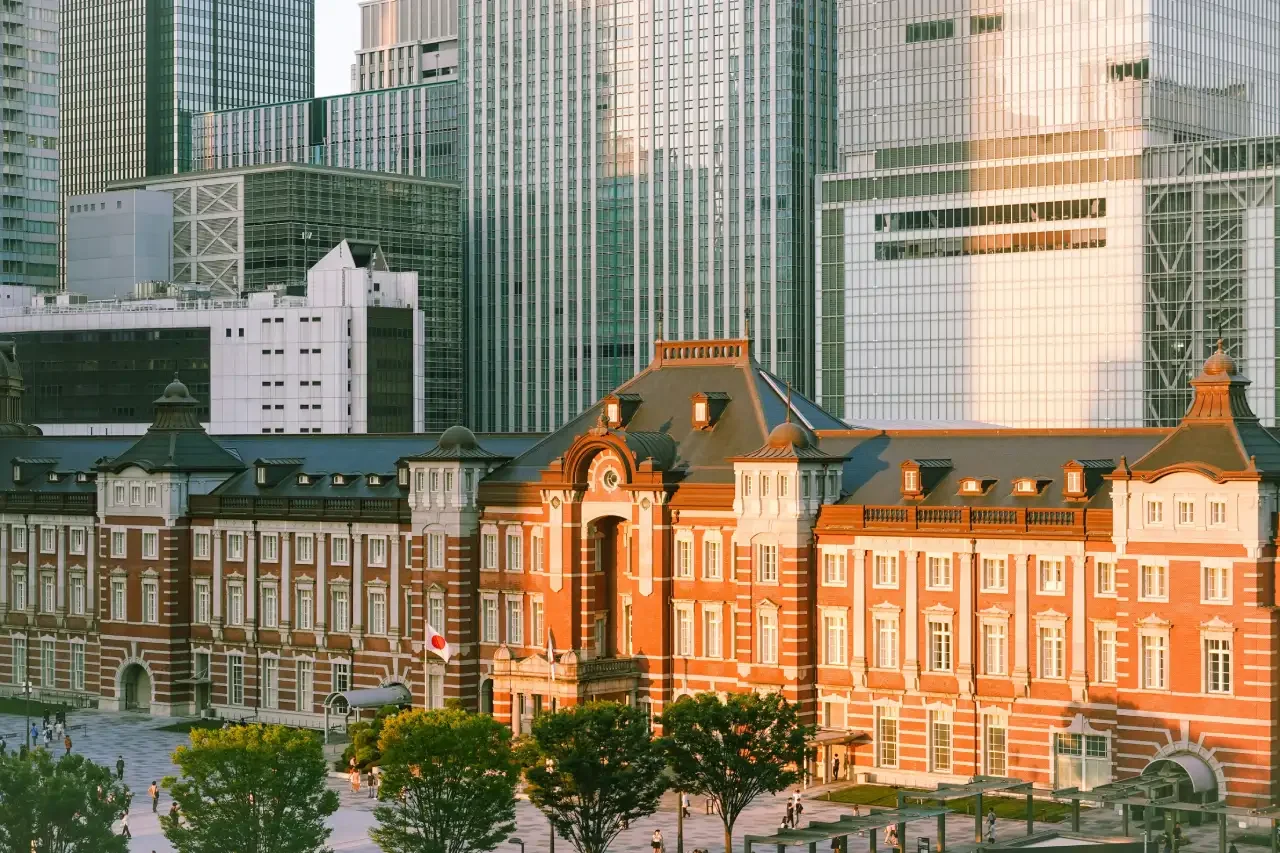
Photo by kiki: https://unsplash.com/@yungchi1104
Another nearby option is Otemachi Station, which connects directly to several subway lines (Tokyo Metro and Toei). Exits from Otemachi place you very close to the East Gardens entrance, making it one of the most practical stations for visitors.
You can also access the area via Nijubashi-mae Station, which is located near the famous Nijubashi Bridge viewpoint and offers easy walking access to the palace perimeter.
Because the palace is in the heart of Tokyo’s business district, it is very well connected by train, and walking between nearby stations is often the simplest way to explore the surrounding landmarks.
Best Time to Visit
The best time to visit the Imperial Palace is during spring (March to May) and autumn (October to November), when Tokyo’s weather is mild and the surrounding gardens are at their most scenic.
In spring, the East Gardens and nearby areas are especially beautiful with cherry blossoms, creating a soft contrast with the historic stone walls and moats. This is one of the most popular times to visit, so mornings tend to be less crowded.
In autumn, the palace grounds and surrounding trees display vibrant red, orange, and yellow foliage, offering some of the most atmospheric views of the year.
Summer (June to September) can be hot and humid, but early morning visits are still enjoyable, especially in the shaded garden areas. Winter (December to February) is quieter, with fewer visitors and clearer views of the palace structures, though the landscape is more minimal.
For the best experience overall, visiting early in the morning on a weekday is recommended, as it allows for a calmer atmosphere and better light for photography.
Nearby Highlights
The Imperial Palace is located in the heart of Tokyo, so there are many interesting places within walking distance that combine modern city life with history and culture.
Just next to the palace is Marunouchi, one of Tokyo’s main business and shopping districts. It offers modern architecture, luxury shops, and excellent dining options inside skyscrapers and renovated historic buildings.
A short walk away is Tokyo Station, one of Japan’s most important transport hubs. The station itself is worth visiting for its red-brick Marunouchi façade, a beautifully restored historic structure surrounded by modern high-rises.
To the north, you’ll find Yasukuni Shrine, a significant Shinto shrine surrounded by peaceful gardens and seasonal cherry blossoms, offering a more reflective cultural experience.
Another nearby highlight is Chidorigafuchi Moat, one of the most famous cherry blossom spots in Tokyo. In spring, visitors can rent boats and row along the moat surrounded by blooming sakura trees, with views of the palace walls.
Finally, the Hibiya Park area provides a relaxing green space with fountains, flower gardens, and open lawns, ideal for a quiet break after exploring the palace surroundings.
Travel Tips (Trinuki Notes)
The Imperial Palace is less about “touring a building” and more about experiencing a historic space from the outside, so adjust expectations accordingly. The inner residence is not accessible, but the surrounding areas still offer one of the most meaningful cultural walks in Tokyo.
Plan your visit early in the morning, especially on weekdays, to enjoy quieter paths and better photo conditions around the East Gardens and Nijubashi Bridge viewpoints. Midday can feel busier due to nearby office workers and tour groups.
Wear comfortable shoes, as the route around the palace perimeter and East Gardens involves a fair amount of walking on paved paths and open areas. There is little shade in some sections, so sun protection is important in warmer months.
Security is strict but efficient. Expect bag checks at garden entrances and follow all signage carefully, especially around restricted zones near the inner palace. Photography is allowed in most outdoor areas, but drones and intrusive filming are not permitted.
Combine the visit with nearby areas like Marunouchi or Tokyo Station, as they are within walking distance and make the experience more complete, blending history with modern Tokyo in a single route.
Related articles
No related articles yet.
About Imperial Palace
Quick facts
Location
Lat: 35.685200 Long: 139.752800
Opening hours
- Tue–Sat: 09:00–18:00
IMPORTANT: Tours: Daily at 10:00 AM and 13:30 PM, except Sundays, Mondays, and public holidays. Imperial Palace East Gardens Schedule March 1 – April 14: 9:00 – 17:00 (Entry until 16:30) April 15 – August 31: 9:00 – 18:00 (Entry until 17:30) September: 9:00 – 17:00 (Entry until 16:30) October: 9:00 – 16:30 (Entry until 16:00) November - February: 9:00 – 16:00 (Entry until 15:30) Closed: Mondays, Fridays, and special occasions (e.g., Dec 28–Jan 3)
Price
- Free tours: Book in advance