Shibuya Sky Observation Deck - Tokyo
Discover Shibuya Sky Observation Deck
Overview
Shibuya Sky is one of Tokyo’s most impressive observation decks, offering a fully open-air experience right above the heart of Shibuya. Located on top of Shibuya Scramble Square, it gives you a 360-degree panoramic view of the city from 229 meters above ground, making it one of the highest viewpoints in Tokyo.
What makes it special is not just the height, but the atmosphere. Unlike traditional indoor observatories, here you’re completely exposed to the sky, with no glass blocking your view. From above, you can clearly see the famous Shibuya Crossing, the endless urban landscape of Tokyo, and on clear days, even Mount Fuji in the distance.
It’s a modern, stylish space designed as much for the experience as for the views, with areas to relax, take photos, and simply take in the scale of the city. Whether you visit during the day, at sunset, or at night, Shibuya Sky consistently delivers one of the most memorable perspectives of Tokyo.
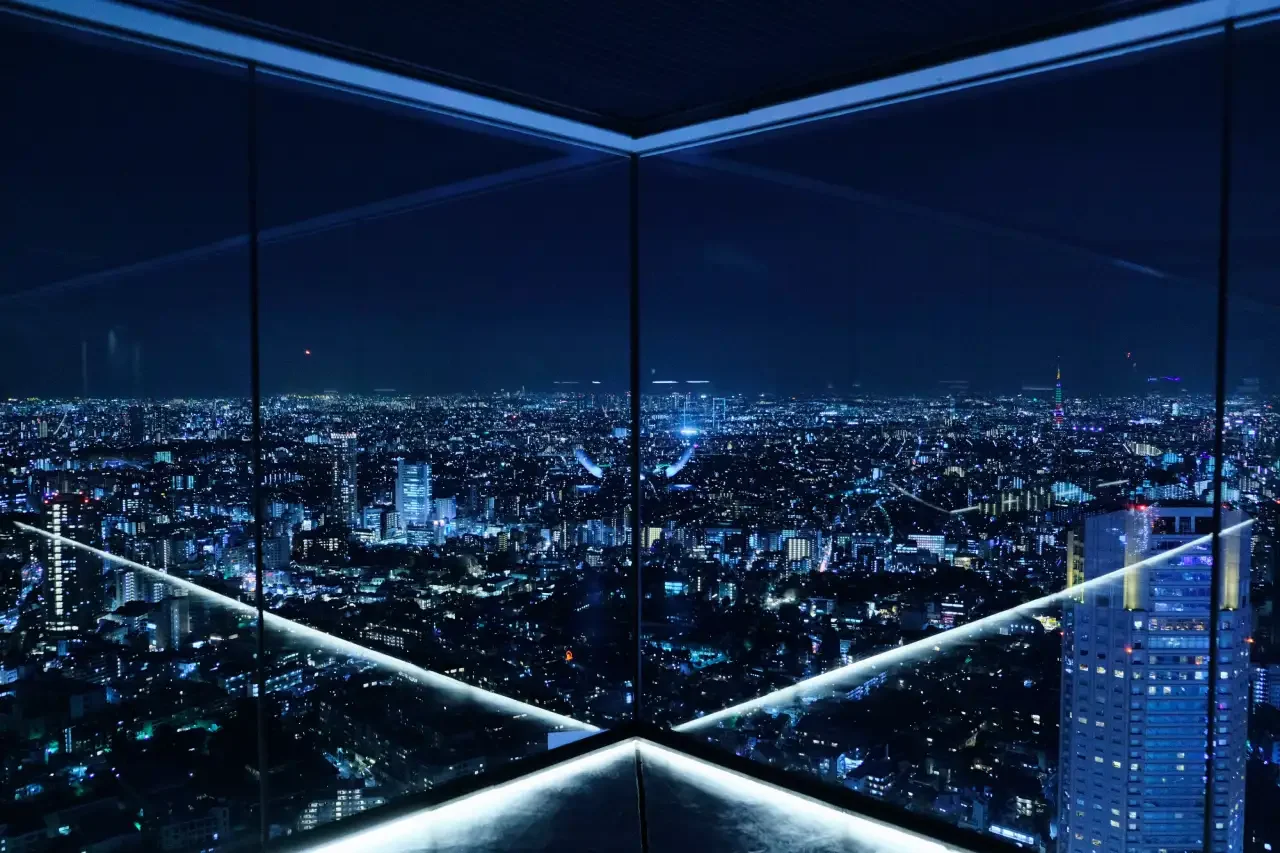
Photo by Leo Okuyama: https://unsplash.com/es/@okuyama_leo
What to Expect
Visiting Shibuya Sky feels more like a curated experience than a simple viewpoint. From the entrance, everything is streamlined, with a controlled flow that guides you smoothly from the lower floors up to the rooftop, building a sense of anticipation along the way.
Once you reach the top, the open-air deck immediately stands out. There are no glass panels blocking the view, which creates a much more immersive feeling compared to other observation decks in Tokyo. You’re fully exposed to the skyline, the wind, and the scale of the city below.
The space is designed to be minimal, open, and easy to explore. You can walk freely around the entire rooftop, stopping at different angles to enjoy the views. There are also specific areas designed for photos and relaxing, including spots where people sit or lie down while taking in the atmosphere.
Before accessing the rooftop, there are some practical steps to keep in mind. Loose items such as backpacks, hats, or anything that could be blown away must be stored in lockers. You can usually bring your phone or camera, but tripods and larger equipment are not allowed.
Overall, expect a modern and well-managed experience focused on views, atmosphere, and photography. It’s less about learning or exhibitions, and more about simply enjoying one of the best perspectives of Tokyo.
Views & Highlights
The main highlight of Shibuya Sky is its unobstructed 360-degree panoramic view over Tokyo. From 229 meters above ground, you can clearly appreciate the immense scale of the city, with its endless skyline stretching in every direction.
One of the most iconic sights is the view directly over Shibuya Crossing. From above, you can watch the organized chaos of people moving through the intersection, which looks completely different from street level and is one of the most photographed perspectives in Tokyo.
On clear days, you can also spot Mount Fuji on the horizon. It appears surprisingly far away, yet clearly visible, especially during winter when the air is crisp and visibility is at its best.
The rooftop itself has several standout areas designed for the experience. The Sky Edge corner is particularly popular, offering a dramatic spot where you can sit right at the edge with nothing but the city below. There are also open spaces where visitors relax, take photos, or simply enjoy the atmosphere.
Sunset is one of the most memorable moments to visit. Watching the city transition from daylight to a sea of lights is a unique experience, and as night falls, Tokyo transforms into a glowing urban landscape that feels almost endless.
Tickets & Booking
Tickets for Shibuya Sky are time-based and vary depending on the time of entry. You’ll need to choose a specific time slot when purchasing your ticket, which helps manage capacity and keeps the experience enjoyable.
Prices differ depending on whether you enter before or after 15:00. Standard online tickets cost around ¥2,700 before 15:00 and ¥3,400 after 15:00, with sunset and evening slots being the most popular. If you buy tickets on-site, they are slightly more expensive, and availability is not guaranteed.
Booking in advance is strongly recommended. Tickets are released up to two weeks ahead, and peak times, especially sunset, tend to sell out quickly. If online tickets are gone, they will usually not be available at the ticket counter either.
Children’s tickets work differently. They are typically only available at the ticket counter on the same day, and young children can enter for free depending on their age.
There are also premium and special experiences available. These include rooftop seating packages with drinks at the Sky Bar, seasonal events, and even photography plans with professional photographers, although these are optional and more expensive.
Once inside, there is no strict time limit, but re-entry is not allowed. It’s best to plan your visit around your chosen time slot, especially if you want to experience sunset or night views.
Best Time to Visit
The best time to visit Shibuya Sky really depends on the kind of experience you’re looking for, but timing makes a big difference in how the city feels from above.
Sunset is the most popular moment, and for good reason. You get to see Tokyo in full daylight, then watch it slowly transition into a glowing night skyline. It’s also the most atmospheric time, although it tends to be the most crowded and harder to book.
Late afternoon is a very solid alternative. Arriving a bit earlier lets you experience both daylight and sunset without being locked into the peak sunset rush. It’s often the best balance between availability and experience.
Night visits offer a completely different mood. The city becomes a dense field of lights, and the scale of Tokyo feels even more dramatic. It’s usually easier to book and slightly less crowded than sunset slots.
Morning is the quietest option. Visibility can be excellent on clear days, and you’ll have more space to move around, but the overall atmosphere is much calmer and less visually striking compared to later in the day.
In general, sunset remains the top recommendation, but late afternoon is the most practical choice if you want flexibility without missing the key visual moments.
How to Get There
Shibuya Sky is located on top of Shibuya Scramble Square, directly connected to Shibuya Station, making it one of the easiest observation decks to reach in Tokyo.
The most convenient access point is Shibuya Station, which is served by multiple lines including the JR Yamanote Line, Tokyo Metro Ginza Line, Hanzomon Line, and Fukutoshin Line. Once inside the station, follow the signs toward Shibuya Scramble Square and the East Exit area.
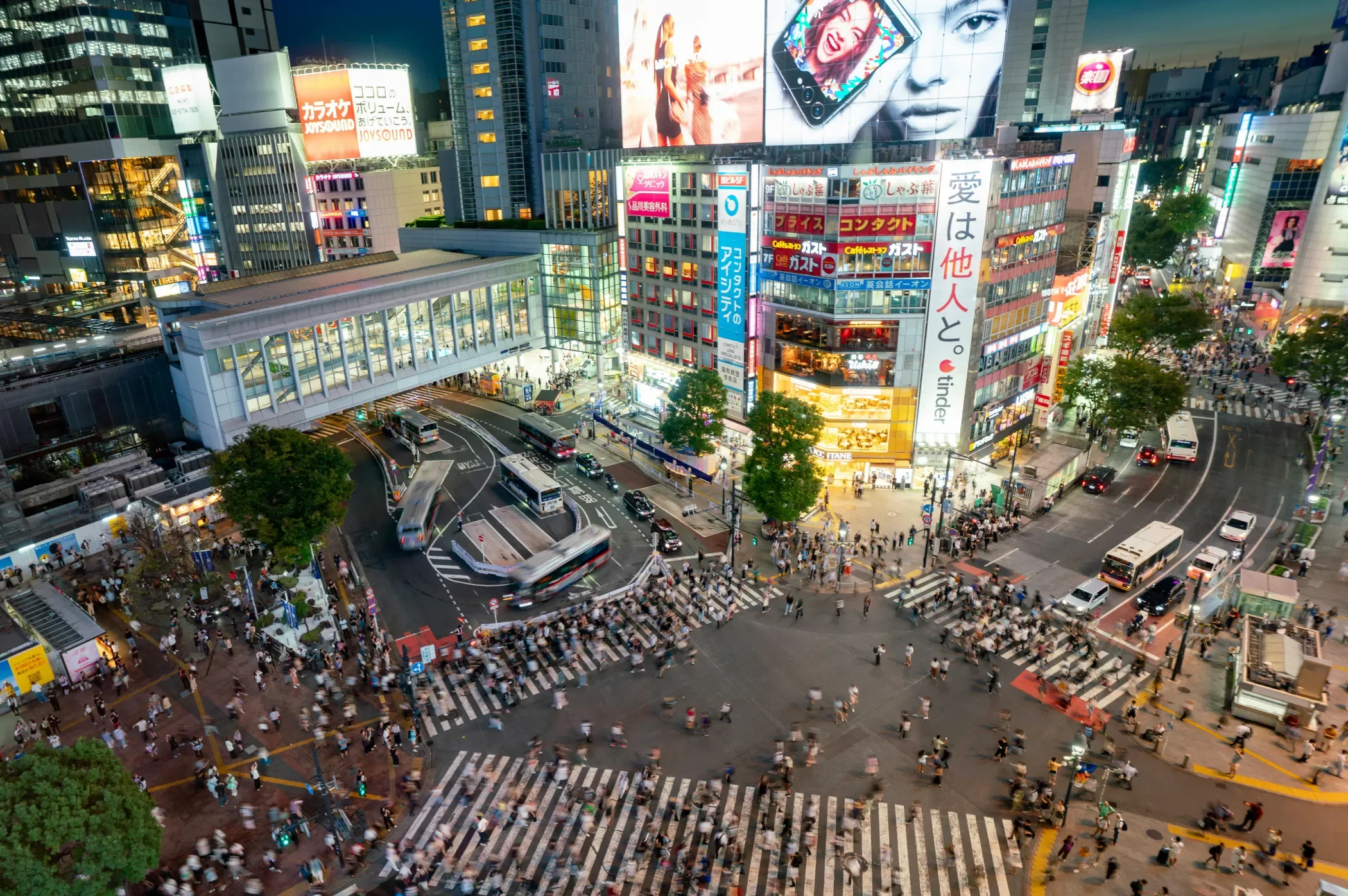
Photo by Timo Volz: https://unsplash.com/@magict1911
From the station, you can reach the entrance in just a few minutes on foot. The building is directly integrated with the station complex, so you don’t need to go outside if you follow the internal walkways.
Once you arrive at Shibuya Scramble Square, take the elevators designated for Shibuya Sky. The route is clearly marked, and staff will guide you through the entry process before you begin the ascent to the observation deck.
If you’re coming from other central Tokyo areas like Shinjuku or Tokyo Station, the journey is also straightforward, typically taking around 10–20 minutes by train depending on the line.
Practical Info
Shibuya Sky is a highly organized attraction, so a few practical details can help you make the most of your visit.
Entry is time-slot based, and you must arrive within your selected window. Once inside, you can usually stay as long as you like, but re-entry is not allowed if you leave the observation area.
Large items such as backpacks, umbrellas, or tripods are not allowed on the rooftop and must be stored in lockers before going up. Only small personal items like phones or compact cameras are typically permitted.
The rooftop is fully exposed to the elements, so conditions can vary a lot. Wind can be strong at the top, and the space may close temporarily during bad weather for safety reasons. It’s a good idea to check the forecast before your visit.
There are no facilities like restaurants on the rooftop itself, but you’ll find cafés, shops, and restrooms inside Shibuya Scramble Square before going up.
Photography is allowed and encouraged, but tripods and professional equipment are restricted. The space is designed mainly for handheld photography and casual use.
Finally, sunset and night visits are the most popular, so expect higher crowds during those times, while mornings tend to be quieter and more relaxed.
Nearby Highlights
Shibuya Sky is located in one of Tokyo’s most vibrant districts, so there are plenty of interesting places within walking distance.
Just below the observation deck is Shibuya Scramble Square, a modern complex filled with shops, restaurants, and cafés. It’s a good place to explore before or after your visit, especially if you want to eat or do some shopping without leaving the building.
A few steps away you’ll find the iconic Shibuya Crossing, one of the busiest pedestrian intersections in the world. It’s especially worth seeing from street level after visiting Shibuya Sky, since you’ll already have seen it from above.

Related Article
Nearby, Hachikō Statue is a classic meeting point and one of the most famous landmarks in Tokyo. It’s small but culturally significant, and usually very crowded with visitors.
If you walk a bit further, you can reach areas like Center Gai, a lively street filled with shops, arcades, and restaurants, or head toward Omotesando, which offers a more upscale and architectural shopping experience.
For something more relaxed, Yoyogi Park is also within walking distance, providing a green escape from the dense urban surroundings of Shibuya.
Travel Tips (Trinuki Notes)
Shibuya Sky is one of those places where small decisions make a big difference to the overall experience, so a bit of planning goes a long way.
If possible, try to book your ticket in advance and secure a sunset time slot, as it offers the most complete experience of Tokyo transitioning from day to night. These slots sell out quickly, especially on weekends.
Arrive a little earlier than your entry time. Even though access is controlled by time slots, getting there ahead of time helps you pass security, use lockers, and move through the elevators without rushing.
Keep in mind that the rooftop is fully exposed. On windy days, it can feel significantly colder at the top than at ground level, even in good weather, so bringing a light jacket is a good idea.
For photography, the best results usually come just before sunset and just after nightfall. The golden light phase is short, so being ready with your camera or phone makes a big difference.
Finally, don’t rush your visit. Many people spend most of their time taking photos, but some of the best moments come simply from sitting at the edge and watching the city change slowly beneath you.
Related articles
No related articles yet.
About Shibuya Sky
Quick facts
Location
Lat: 35.658000 Long: 139.701600
Price
- 2700 jpy until 14:59
- 3400 jpy from 15:00
- Free: children up to 6 years old
- VIP seat with Sofa and bar 7000jpy
- VIP seat with Champagne, Sofa and bar 8000jpy