Takeshita Street, Harajuku - Tokyo
Discover Takeshita Street, Harajuku
Overview
Takeshita Street is the vibrant heart of Harajuku, one of Tokyo’s most iconic districts for youth culture and street fashion. This lively pedestrian street stretches just a few hundred meters, but it packs in an intense mix of colorful shops, quirky boutiques, and trendy food spots that reflect the creativity and individuality of modern Japanese style.
Known worldwide for its bold and ever-changing fashion scene, Takeshita Street is where trends are born and expressed freely. From kawaii aesthetics to edgy streetwear, the area attracts both locals and visitors looking to تجربه Tokyo’s most playful and unconventional side.
Despite its relatively small size, the street offers a dynamic and immersive experience, making it a must-visit destination for anyone exploring the cultural contrasts of Tokyo, especially in nearby areas like Omotesando and Shibuya.
What to See & Do
Takeshita Street is all about exploration and spontaneity, where every few steps reveal something new and eye-catching. As you walk along this lively street, you’ll find a dense concentration of independent boutiques, themed shops, and pop culture stores, each offering a different take on Tokyo’s ever-evolving style scene.
One of the main things to do here is simply browse and discover unique fashion pieces, from bold streetwear to kawaii-inspired outfits and accessories. Shops often feature limited-edition items and niche brands, making it a great place to find something you won’t see anywhere else.
Food is another essential part of the experience. Along the street, you’ll come across colorful street food stalls and trendy snack shops, famous for treats like rainbow cotton candy, crepes loaded with toppings, and other Instagram-worthy sweets. Stopping to try a few of these is part of the fun.
Beyond shopping and food, the street itself is a spectacle. Watching the crowd, spotting different fashion styles, and soaking in the creative, youthful energy of Harajuku is just as rewarding as anything you can buy.
Fashion & Youth Culture
Takeshita Street is widely considered the epicenter of Harajuku’s youth culture, a place where fashion becomes a form of self-expression and individuality is celebrated without limits. The street gained international recognition for its bold and experimental styles, ranging from kawaii and pastel aesthetics to punk, gothic, and avant-garde looks.
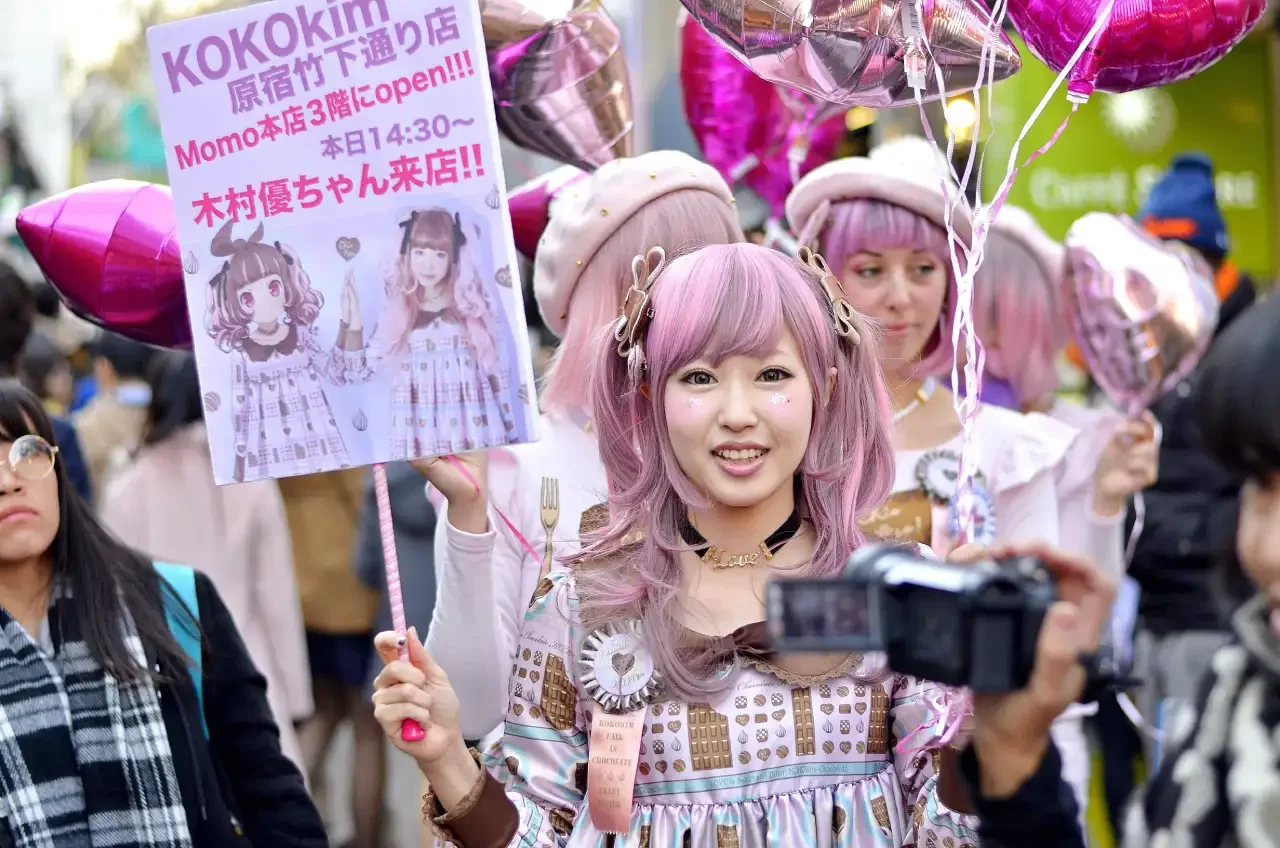
What makes this area unique is how trends are not just consumed but actively created. Young locals come here to showcase their personal style, often mixing influences in unexpected ways, turning the street into a constantly evolving runway. This culture of creativity has influenced global fashion for decades, shaping how people perceive Tokyo as a hub of innovation and originality.
Beyond clothing, the culture extends to accessories, hairstyles, and overall attitude, with many shops catering to very specific subcultures and niches. Even if you’re not planning to shop, simply observing the diversity of styles and the confidence with which they are worn offers a fascinating glimpse into one of Tokyo’s most distinctive cultural scenes.
Street Food Highlights
Takeshita Street is just as famous for its playful street food scene as it is for fashion, offering a variety of colorful and indulgent treats that have become part of the Harajuku experience. Many of these snacks are designed to be as visually striking as they are tasty, making them especially popular among younger crowds and social media enthusiasts.
One of the most iconic options is the Harajuku-style crepe, freshly made and filled with everything from whipped cream and fruit to cheesecake or even savory ingredients. Another must-try is the oversized rainbow cotton candy, a vibrant and fluffy treat that perfectly matches the street’s whimsical atmosphere.
You’ll also find bubble tea shops, soft serve ice cream stands, and creative dessert bars, each offering unique flavors and eye-catching presentations. Grabbing a snack and enjoying it while strolling through the street is part of the experience, adding another layer of fun to this energetic and colorful destination.
Atmosphere & Experience
Takeshita Street offers a high-energy, sensory-packed experience that captures the essence of Harajuku’s creative spirit. The street is almost always busy, filled with a constant flow of locals and visitors, creating a lively and sometimes chaotic atmosphere that feels uniquely Tokyo.
What defines the experience here is the contrast between small space and intense activity. Music spills out from shops, bright storefronts compete for attention, and every corner seems designed to surprise.
The narrow pedestrian street amplifies this feeling, making the environment feel immersive and dynamic from start to finish.
Beyond the shops and food, a big part of the appeal is simply people-watching. You’ll see a wide range of styles, from subtle trends to bold fashion statements, all coexisting in the same space.
This blend of creativity, energy, and visual stimulation makes a walk through Takeshita Street feel less like a simple visit and more like stepping into a living showcase of modern urban culture.
Practical Info
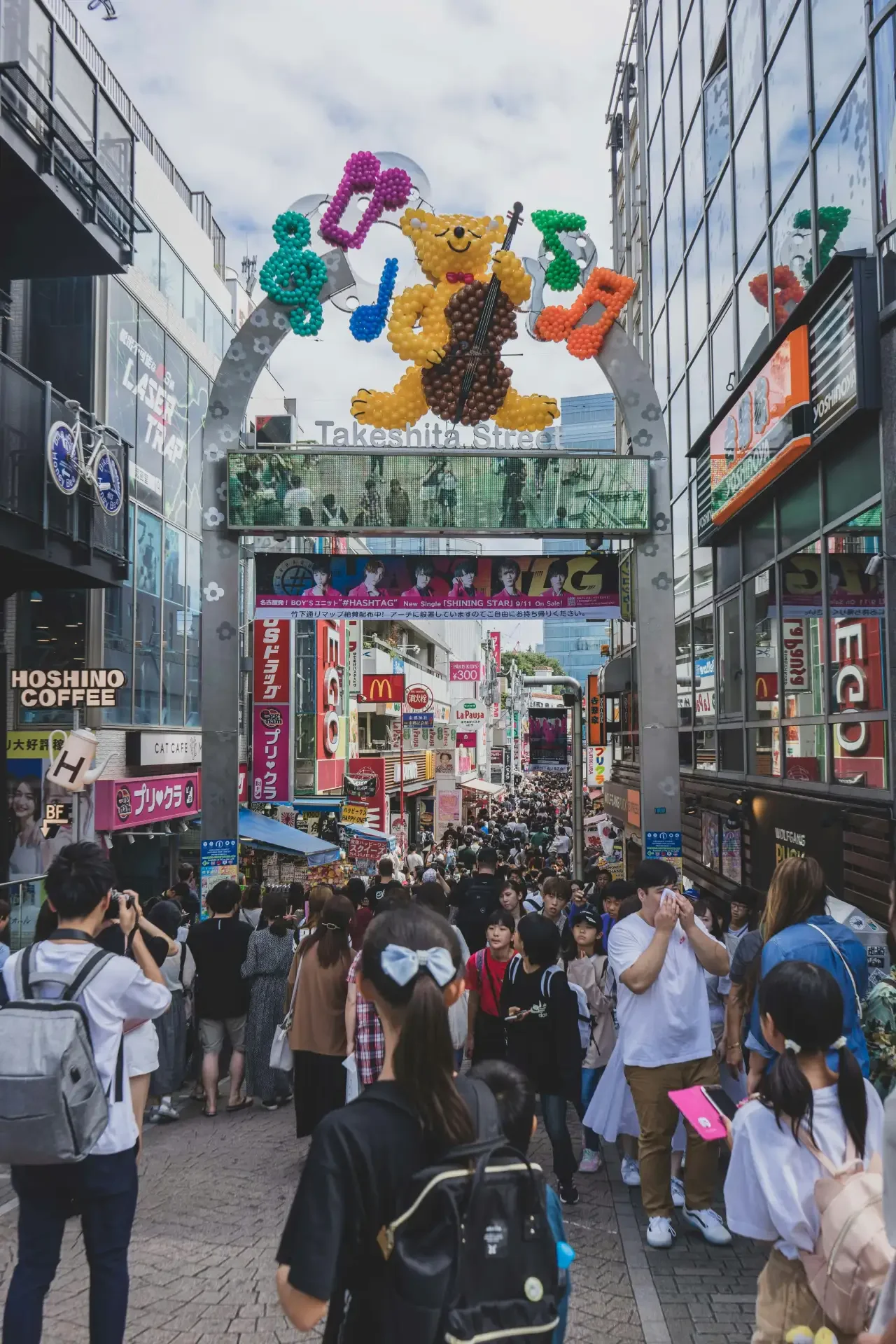
Takeshita Street is a pedestrian-only street, making it easy to explore on foot, though it can become extremely crowded, especially during weekends and holidays. The best approach is to take your time and move with the flow, as stopping suddenly can disrupt the already dense foot traffic.
Most shops open around 10:00–11:00 AM and close between 7:00–9:00 PM, although hours may vary slightly depending on the store. Many places accept credit cards, but it’s still useful to carry some cash, especially for smaller shops and street food vendors.
There are no large public seating areas, so food is typically eaten while standing or walking, although some दुकानों have small designated spaces for customers. Public restrooms are limited directly on the street, but you can find facilities at nearby stations or larger commercial buildings.
Due to its popularity, it’s recommended to avoid peak hours if you prefer a more relaxed experience, and to keep personal belongings secure in the crowd.
How to Get There
Takeshita Street is conveniently located right across from Harajuku Station, making it one of the easiest spots to access in Tokyo. The entrance is directly opposite the station’s Takeshita Exit, so you’ll find yourself on the street within seconds of arriving.
The most straightforward way to get there is via the JR Yamanote Line, which connects major areas like Shibuya, Shinjuku, and Tokyo Station. This makes it a convenient stop as part of a wider itinerary around the city.

Related Article
Alternatively, you can use the Tokyo Metro and get off at Meiji-jingumae Station on the Chiyoda or Fukutoshin lines. From there, it’s just a short walk to the street, passing through the surrounding Harajuku area.
Thanks to its central location, Takeshita Street is often combined with nearby areas like Omotesando or Shibuya, making it easy to include in a half-day exploration of Tokyo’s trendiest neighborhoods.
Best Time to Visit
The best time to visit Takeshita Street is during weekday mornings, ideally between late morning and early afternoon. At this time, the street is noticeably less crowded, allowing you to explore shops and take photos more comfortably while still enjoying its lively atmosphere.
On weekends and public holidays, the area becomes extremely busy, often with slow-moving foot traffic due to its popularity among both tourists and locals. While this peak crowd creates a more energetic and vibrant experience, it can also feel overwhelming if you prefer a more relaxed visit.
Late afternoons and early evenings offer a different mood, with stronger crowds and brighter shop lights, giving the street a more dynamic and chaotic energy. This can be ideal if you want to experience the full intensity of Harajuku culture.
Seasonally, spring and autumn are especially pleasant thanks to milder weather, making walking through the area more comfortable and enjoyable.
Nearby Highlights
Takeshita Street is surrounded by some of Tokyo’s most interesting and contrasting neighborhoods, making it easy to combine your visit with other highlights in the area.
Just a short walk away you’ll find Omotesando, a tree-lined boulevard known for its upscale boutiques, luxury brands, and modern architecture. It offers a calm and elegant contrast to the energetic and chaotic vibe of Harajuku.
Nearby is also Meiji Jingu, one of Tokyo’s most important Shinto shrines. Surrounded by a large forested area, it provides a peaceful escape from the city and is a great cultural stop after the intensity of Takeshita Street.
To the south, you can easily reach Shibuya, home to the famous scramble crossing, massive screens, and endless entertainment options. It’s one of the most dynamic districts in Tokyo and pairs naturally with a Harajuku visit.
For a more local and design-focused experience, the surrounding Harajuku backstreets and Cat Street offer independent cafés, vintage shops, and a more relaxed shopping atmosphere compared to the main street.
Travel Tips (Trinuki Notes)
Takeshita Street can be overwhelming at first glance, so a few practical tips can make your visit much smoother and more enjoyable. The street is narrow and often crowded, so try to walk with the flow of people and avoid stopping suddenly, especially near busy shop entrances.
If you want to explore comfortably, aim to visit during weekday mornings or early afternoons, when the crowds are lighter and you can actually take your time browsing shops and taking photos. Weekends tend to be very dense, which can slow down movement significantly.
It’s also a good idea to bring cash, since some small boutiques and street food stalls may not accept cards. At the same time, keep your belongings secure, as the area can get tightly packed during peak hours.
For photos, look for side alleys or quieter corners just off the main street, where you can capture the aesthetic without heavy crowds in the background. And finally, don’t rush it—part of the charm of Harajuku is simply observing the fashion, energy, and creativity around you at your own pace.
Related articles
No related articles yet.
About Takeshita Street
Quick facts
Location
Lat: 35.670200 Long: 139.702300