Tokyo Station - Tokyo
Discover Tokyo Station
Overview
Tokyo Station is the main railway gateway to Tokyo and one of the most important transport hubs in Japan. Located in the Marunouchi district, it connects the capital with the rest of the country through an extensive network of local, regional, and Shinkansen high-speed lines. For many travelers, it is both the starting point of their journey in Tokyo and a key connection hub for exploring Japan.
Beyond its functional role, Tokyo Station is also a landmark in its own right. The iconic red-brick Marunouchi façade contrasts with the modern skyscrapers surrounding it, creating a unique blend of historical architecture and contemporary urban design. The station is not just a place to pass through, but a space where history, mobility, and city life intersect.
History & Architecture
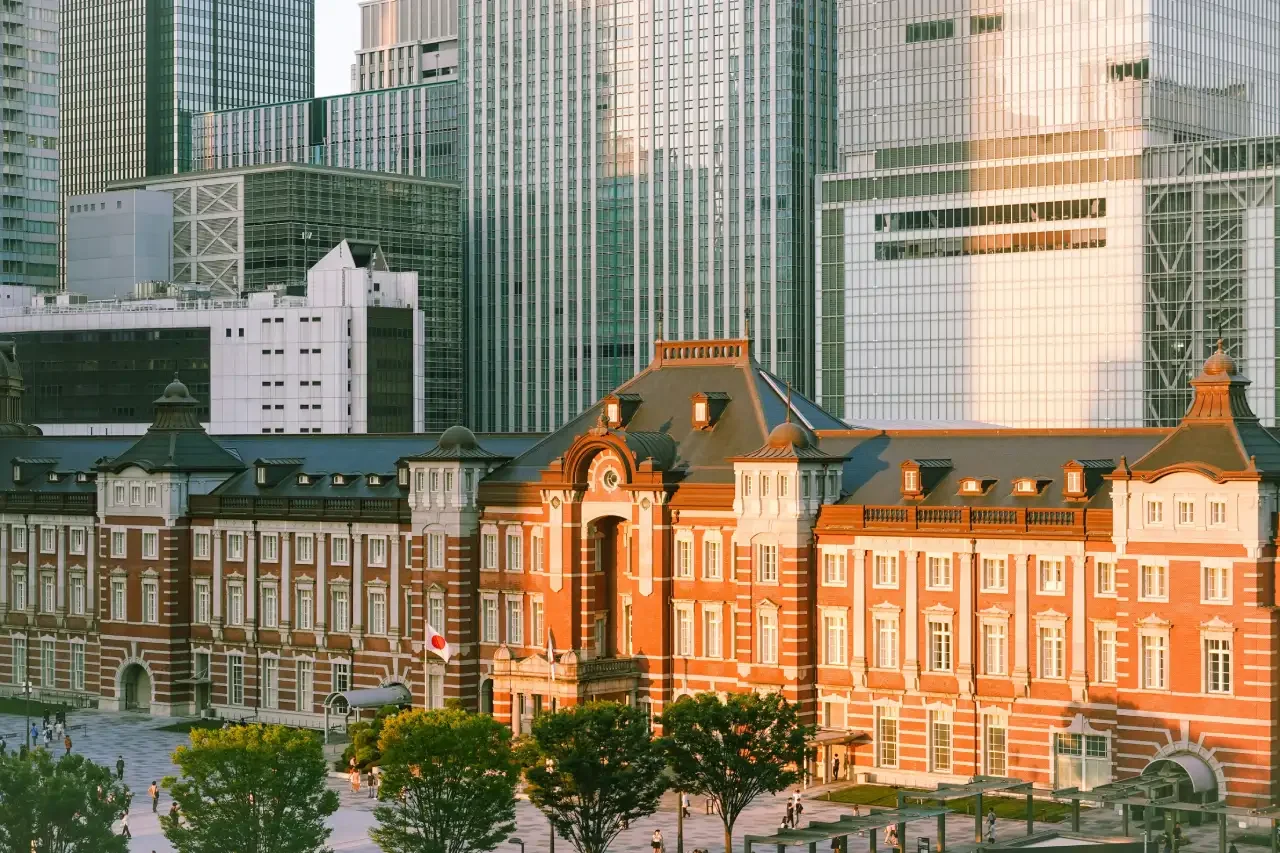
Photo by kiki: https://unsplash.com/@yungchi1104
Tokyo Station first opened in 1914, designed by architect Tatsuno Kingo, one of the most influential figures in modern Japanese architecture. The original structure was built in a distinctive red-brick Western style, inspired by European railway terminals, symbolizing Japan’s rapid modernization during the early 20th century.
The station suffered severe damage during World War II air raids, leading to the loss of its original domes and upper structure. For decades, it remained partially restored in a simplified form, reflecting Japan’s post-war reconstruction period.
In 2012, a major restoration project carefully returned the Marunouchi building to its original pre-war design, including its iconic domes and detailed brickwork. Today, it stands as a rare example of Meiji-era architectural heritage preserved within a modern мегacity skyline, blending historical elegance with contemporary engineering.
What to See Inside
Inside Tokyo Station, the experience goes far beyond simply catching a train. One of the most iconic areas is the Marunouchi Central Entrance, where the restored red-brick architecture and vaulted ceilings create a striking first impression as you enter the station.
The interior is also home to Gransta, a large shopping and dining complex located within the ticketed and public areas. Here you’ll find a wide selection of Japanese souvenirs, bento boxes, sweets, and specialty shops, making it a popular stop for both travelers and locals.
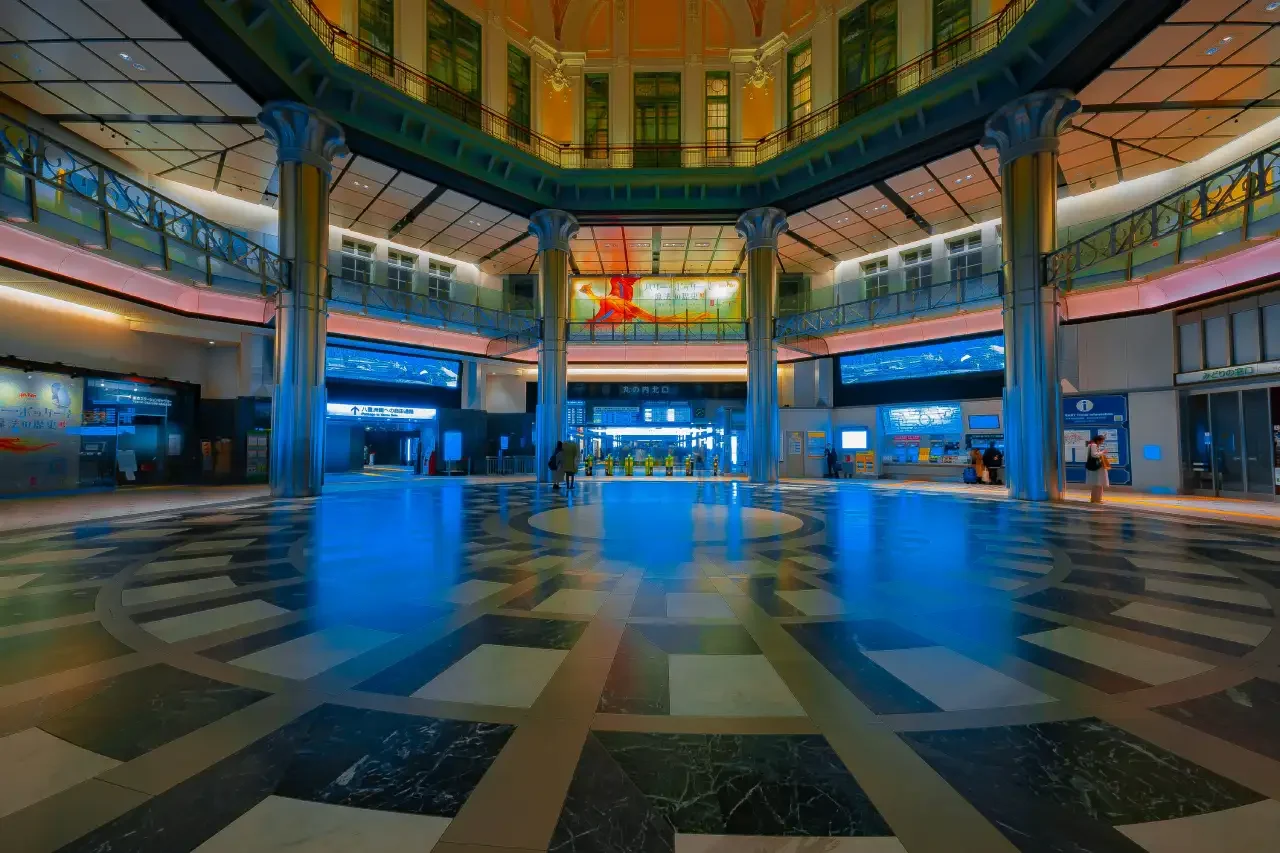
Photo by mos design: https://unsplash.com/@mosdesign
Another highlight is Tokyo Station Gallery, a cultural space showcasing rotating exhibitions focused on art, design, and the history of the station itself. It offers a quieter, more reflective experience compared to the busy concourses.
Throughout the station, you’ll also notice carefully designed corridors and signage systems that reflect Japan’s emphasis on efficiency, order, and user experience, turning what could be a simple transit space into an unexpectedly engaging place to explore.
Marunouchi & Surroundings
The area around Tokyo Station, known as Marunouchi, is one of Tokyo’s most important business and financial districts. It is defined by its wide, clean avenues, modern skyscrapers, and a strong sense of order that contrasts with more chaotic parts of the city. Despite its corporate identity, it is also surprisingly pleasant to walk through, especially thanks to its landscaped streets and open public spaces.
Just outside the station, you’ll find landmarks such as the Marunouchi Building and Shin-Marunouchi Building, both offering a mix of restaurants, cafés, and high-end shops. These complexes are popular not only with office workers but also with travelers looking for a more refined dining or shopping experience near the station.
The surrounding streets are also ideal for exploring on foot, with wide sidewalks and seasonal lighting events that give the area a more atmospheric feel in the evenings. The contrast between the historic station building and the modern glass towers creates one of the most visually distinctive urban scenes in Tokyo.
Shops & Dining
Tokyo Station is one of the best places in Tokyo for shopping and eating without leaving a station complex. Inside and around the station you’ll find a huge variety of options, from quick bites to high-quality restaurants, making it a destination in its own right rather than just a transit point.
One of the main highlights is Gransta, a large commercial area inside the station that offers everything from Japanese bento boxes, sweets, and souvenir snacks to specialty gourmet stores. It’s especially popular with travelers buying food for Shinkansen journeys or gifts before leaving Tokyo.
The station also features the famous Ramen Street, a dedicated underground area with some of Tokyo’s most well-known ramen shops. Each restaurant offers its own style, from rich tonkotsu broths to lighter soy-based versions, making it a great spot to try different regional flavors in one place.
Outside the ticket gates, the surrounding Marunouchi buildings add another layer of dining options, including casual cafés, international restaurants, and upscale dining venues. This mix makes the area suitable for both quick stops and more relaxed meals.
Transportation Hub

Related Article
Tokyo Station is the most important railway hub in Japan, serving as the central point for both domestic and regional travel. It is the main terminal for multiple Shinkansen high-speed lines, including routes that connect Tokyo with cities such as Kyoto, Osaka, Nagoya, and beyond. This makes it a critical gateway for long-distance travel across the country.
In addition to the Shinkansen network, the station is served by numerous JR East commuter lines, such as the Yamanote Line, Chūō Line, Keihin-Tōhoku Line, and Sōbu Line. It also connects to several Tokyo Metro lines, giving direct access to key districts like Shinjuku, Shibuya, and Ginza. This extensive connectivity makes it one of the most accessible points in the entire metropolitan area.
The station layout is large and complex, with multiple underground levels and interconnected platforms designed to handle massive passenger flow efficiently. Despite its size, the signage system is highly organized, making navigation manageable even for first-time visitors. For many travelers, Tokyo Station is not just a stop, but the starting point of their journey across Japan.
Practical Info
Tokyo Station operates as a major 24/7 transport hub, but individual services such as shops, restaurants, and ticket offices follow their own schedules, typically ranging from early morning to late evening. It is important to check specific opening hours depending on what you plan to do inside the station.
The station is extremely large and can feel overwhelming at first. Allow extra time for navigation, especially if you need to transfer between Shinkansen platforms, JR lines, or Tokyo Metro connections. Signage is generally very clear, with English support throughout, but distances between exits and platforms can be significant.
Facilities inside the station include luggage storage lockers, coin lockers of various sizes, ATMs, currency exchange services, and tourist information centers. These are especially useful for travelers arriving in Tokyo for the first time or transferring between long-distance routes.
Wi-Fi is available in many areas of the station, and seating can be limited during peak hours, particularly in the main concourses. For a smoother experience, it is recommended to avoid rush hours in the morning and late afternoon when commuter traffic is at its highest.
How to Get There
Tokyo Station is located in the heart of central Tokyo (Marunouchi district) and is one of the easiest places to reach in the entire city thanks to its position as the main railway hub.
If you are already in Tokyo, the most convenient way to arrive is by using the JR Yamanote Line, which loops through major districts such as Shinjuku, Shibuya, and Ueno. Tokyo Station is also directly served by the Keihin-Tōhoku Line, Chūō Line, and Sōbu Line, making it accessible from almost anywhere in the metropolitan area.
From other parts of Japan, the station is the primary terminal for Shinkansen bullet trains, including routes from Kyoto, Osaka, Nagoya, and Sendai. This makes it the main entry point for long-distance travelers arriving in Tokyo by high-speed rail.
You can also access the station via the Tokyo Metro Marunouchi Line, which connects key business and commercial districts across the city. Multiple underground entrances link directly into the station complex, so even in bad weather you can reach it without needing to go outside.
For visitors arriving from airports, both Narita Airport and Haneda Airport offer direct train and bus connections to Tokyo Station, making it a common first stop for international travelers.
Related Article
Best Time to Visit
Tokyo Station can be visited year-round, but the experience varies depending on the time of day and season, mainly due to its role as a major transport hub and business district landmark.
The best time of day to explore the station itself and its surroundings is early morning or late evening, when commuter traffic is lighter and the atmosphere is more relaxed. During these hours, it is easier to appreciate the architecture of the Marunouchi façade and move through the interior without heavy crowds.
In terms of seasons, spring (March–April) and autumn (October–November) are ideal for visiting the surrounding Marunouchi area. The weather is pleasant, and nearby streets and parks are especially enjoyable for walking. Winter evenings are also notable, as the area often features illuminations and seasonal lighting displays around the station and business district.
Avoiding weekday rush hours—typically 7:30–9:30 and 17:00–19:00—is recommended if you are not using the station for commuting or transfers, as it can become extremely crowded during these periods.
Nearby Highlights
Around Tokyo Station you’ll find some of Tokyo’s most important cultural, commercial, and green spaces, all within easy walking distance in the Marunouchi area and central Tokyo.
One of the closest attractions is the Imperial Palace and East Gardens, located just a short walk west of the station. This area offers a rare combination of historic moats, traditional gardens, and open green space in the middle of the city, making it a peaceful contrast to the surrounding business district.
To the east and north, the Ginza district is within walking distance or a short metro ride. It is one of Tokyo’s most famous shopping areas, known for its luxury boutiques, department stores, galleries, and high-end dining.
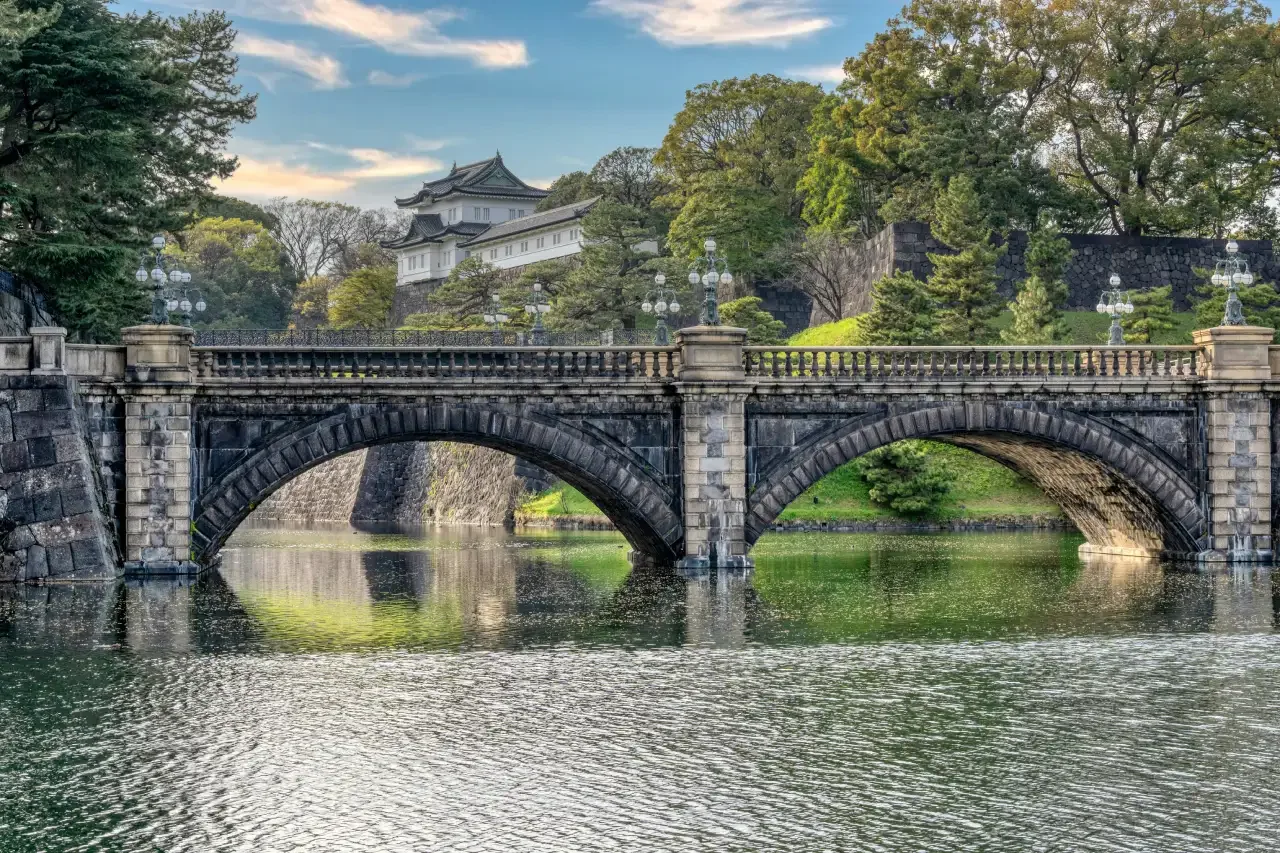
Photo by Michael Heise: https://unsplash.com/@momheise
Directly surrounding the station, the Marunouchi business district itself is worth exploring, with landmarks like the Marunouchi Building and Shin-Marunouchi Building, offering restaurants, cafés, and rooftop views over Tokyo Station.
A bit further away but still easily accessible is Nihonbashi, a historic commercial district that blends traditional shops with modern financial buildings, reflecting Tokyo’s evolution as a trading hub.
Together, these nearby highlights make the area around Tokyo Station one of the most strategically located places to stay or start exploring Tokyo.
Travel Tips (Trinuki Notes)
Around Tokyo Station, the main challenge is not finding what to do, but navigating the scale and complexity of the station itself. Always allow extra time for transfers, especially if you are moving between Shinkansen platforms and local JR or Metro lines, as walking distances can be longer than expected.
The station has multiple exits, and choosing the right one matters. For the Marunouchi side, follow signs for the red-brick façade and business district. For Yaesu, you’ll find more commercial buildings, shopping areas, and bus terminals. Checking your exit in advance can save a lot of time.
If you are carrying luggage, make use of the coin lockers and luggage storage services inside the station. They are widely available but can fill up quickly during peak travel hours, so arriving earlier in the day is recommended.
For food, the station is one of the best places in Tokyo to grab quick, high-quality meals, especially in areas like Gransta or Ramen Street. It is a smart idea to eat here before long train journeys, as prices and variety are often better than in onboard options.
Finally, avoid rush hours if possible. The station becomes extremely busy during weekday commuting peaks, and while it remains efficient, the experience is much more comfortable outside these times.
Related articles
No related articles yet.
About Tokyo Station
Quick facts
Location
Lat: 35.681200 Long: 139.767100
Price
- Free